
Story at a Glance:
The vaccine industry has largely escaped scrutiny because of the belief that “vaccines are safe and effective”—a slogan that treats every vaccine as an identical good and discourages any examination of how vaccines are actually made or how sharply their individual risks and benefits differ.
Here I will review the foundational principles of vaccine design and the clinical implications that I believe are essential for understanding why these products so often fail to live up to their promises and have major safety issues.
Building upon this, I will show how the actual risks and benefits of a vaccine can be calculated (something medicine almost never computes) and why many commonly administered ones rest on very shaky ground that makes it hard to ever justify giving them to anyone.
I will also review numerous core principles of immunology that virtually never enter the vaccine discussion and help to explain why vaccines cause so many different immunological issues.
With this framework, I will provide a guide to assist you in determining the risks and benefit of each vaccine on the CDC schedule and tools for identifying the most toxic and unecessary ones.
Medicine’s religious focus on vaccines has covered up the fact many safe natural alternatives to vaccines exist which can prevent a variety of complex illnesses. Likewise, much in the same way a few vaccines have been used to treat challenging chronic conditions (e.g., cancer, diabetes, shingles, fibromyalgia), forgotten natural therapies have been as well that both eliminate chronic debilitating illnesses, and provide completely safe methods to make populations immune to problematic infectious diseases.
I’ve held a longstanding belief that regardless of how strongly I feel about one side of a debate, effort should be made to understand both sides of an argument, as normally, valid points are raised by both parties and you can provide a much more effective and persuasive case for your position if you are able to clearly elucidate how the other has gone awry rather than simply dig into your pre-existing position.
So, despite my strong personal objections to vaccination and my belief their harms greatly outweigh their benefits, I have spent a lot of time trying to understand the case for vaccination, and more importantly how it varies for each vaccine (as some are much more egregious than others). Unfortunately, much in the same way medicine’s mantra is “all vaccines are safe and effective” (an extremely nebulous statement) the vaccine brand is treated as a homogenous entity where every single one is “good” simply by virtue of being a vaccine, and as such, surprisingly little information is available to objectively assess the merits of each individual vaccine—rather, all complications of vaccines are treated as being unrelated to the vaccine unless extraordinary efforts are gone to establish them, whereas extremely whimsical assumptions are made to establish their benefits and any complication of any infectious disease is nearly always attributed to the individual (or those around them) not vaccinating.
Because of this, one of the most common questions I receive is “which vaccines should I give my children” as parents who have become skeptical of vaccination essentially have nothing to go off besides a general distrust of vaccination and fearmongering from the medical community over the dangers of not vaccinating.
At the same time, this paradigm is somewhat understandable, as calculating the benefit and risks of a vaccine is quite challenging, as it requires you to know the following:
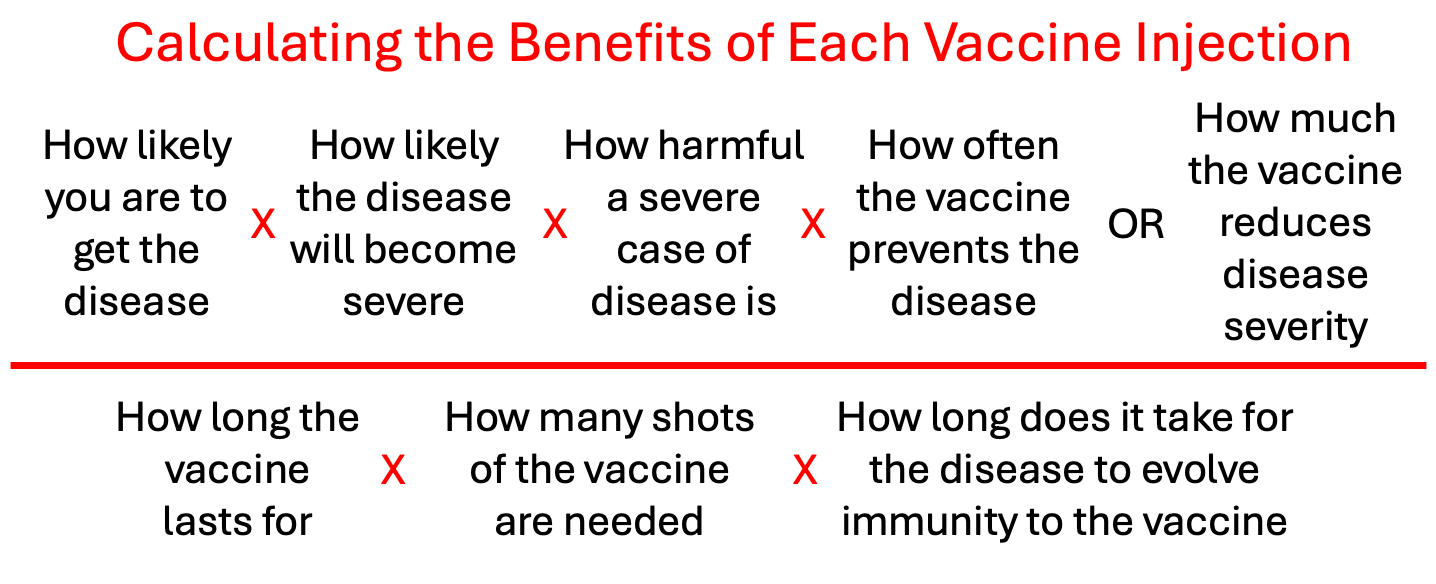
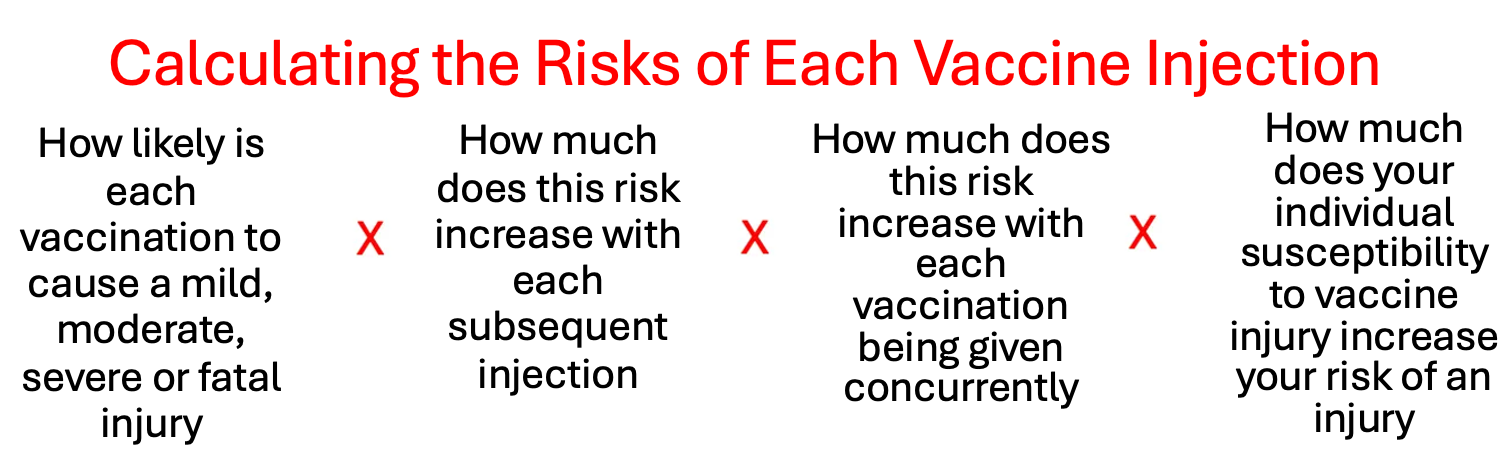
One of the many aggravating things I’ve long noticed about the vaccine program is that the information needed to make this calculation is never made readily available. For example, a few years ago, someone shaping public policy asked me if COVID was more dangerous than the flu. Answering this required me to know how deadly each was, and as I showed here, I eventually discovered no one actually knows how deadly the flu is (the estimates vary widely, and fatalities are typically less than 0.1% of cases that progress enough to become symptomatic)—something I found quite surprising, given that the CDC dedicates a large portion of their resources each year to expounding the dangers of the flu so we will vaccinate.
In turn, rather than objectively showing the risks and benefits of a vaccine, the medical community focuses on a few components of the above equation to create the impression there is a massive danger from not vaccinating (e.g., Merck convinced women around the country to be terrified of cervical cancer despite it being fairly rare) and that there is minimal risk from vaccinating, or in lieu of that theoretical arguments lacking data which suggest vaccination has merit. For example, the HPV vaccine, by increasing the immune system’s attack on HPV, could potentially reduce cervical cancer, but trial data that directly showed this was never provided, and it is unclear from the existing data sets that have followed decades of Gardasil if the vaccine increased, decreased or had no effect on (the rare to begin with) cervical cancer rates.
As such, we have a reality where the case for many of the vaccines on the schedule is quite weak, and many are for more likely to injure you than the actual infection—but despite this being readily apparent to an outside observer (particularly one who has been injured), most medical professionals carry a diametrically opposed world view which firmly believes vaccines are safe, effective, and necessary and are almost never willing to research the actual risks and benefits of a vaccine.
Note: during medical training, students are expected to memorize a massive amount of information and repeat it verbatim to the doctors supervising them (without showing any doubt or skepticism in it). Because of this, extremely complex subjects with vast nuance are distilled into simple facts or “if A then B” statements they are effectively forced to commit to memory rather than taking far more time to explore and question, after which the social status attached to being a doctor and medical expert cements the validity of their approach (memorizing accepted medical facts without critically examining them), particularly since “cognitive dissonance” makes doctors reluctant to consider what they worked so hard to learn was wrong or that they had injured their patients. This dynamic understandably makes many people loathe physicians who are close minded to facts which fall outside their training, but I feel the system was designed so that nearly anyone who goes through that training would think in this manner, so rather than resent those doctors, I primarily extend gratitude for the physicians whose minds are evolved enough to have the flexibility to break through this conditioning.
In short, we essentially have a system where we are expected to follow science (with legal penalties for not doing so) but rather than “science” being the result of an objective and critical examination of data, we instead are expected to trust the perspectives of experts who have evaluated that data but will not make it available to us (e.g., Steve Kirsch and ICAN spent years going to great lengths to get the government data on COVID vaccine injury and efficacy, often having to rely upon leakers, because governments simply would not provide any data which undermined the justification for the vaccination program).
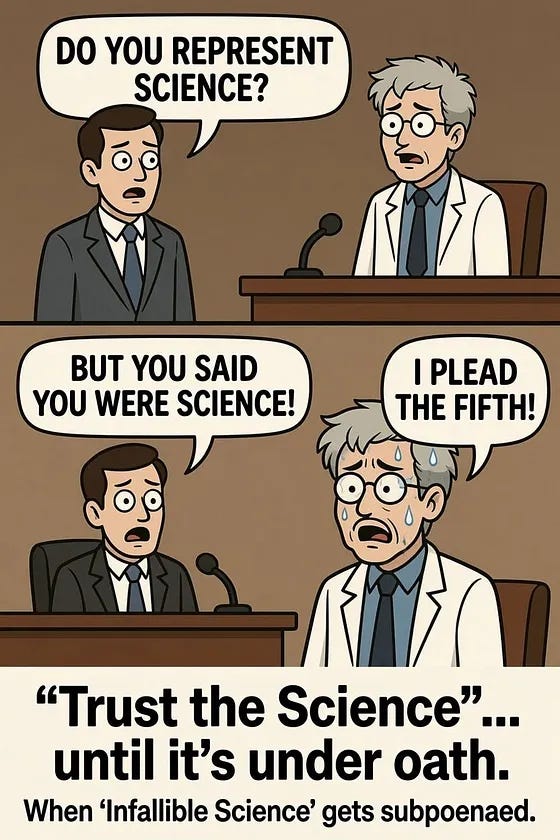
Somewhat ironically, Fauci (who had proclaimed he “represented science” to frame any questions of his positions as “attacks on science”) recently provided an excellent metaphor of this dynamic, as in response to over a hundred questions, Fauci pled the fifth.
Additionally, after I sent out Thursday’s article on Fauci’s testimony, I was informed about something else I felt I had to share about it:


Hepatitis B
One of the more egregious vaccinations on the schedule is newborn hepatitis B, so when I learned Trump wanted it off the schedule, to help with that effort, I spent a lot of time, via official sources, trying to calculate the actual risks and benefits of the newborn hepatitis B vaccination (which I detailed here). To summarize that article:
Since hepatitis B is transmitted through blood to blood contact (e.g., sharing drug needles or unprotected sex), it’s difficult to justify giving it to newborns who will never do any of that. So, presently, the justifications are as follows:
1. It will prevent newborn infants from catching hepatitis B from their mothers during delivery when their immune system is too weak to resist the infection.
2. It will prevent young children from catching hepatitis B, either from family members or outside (e.g., touching an infected drug needle in a playground).
3. If an infant gets a hepatitis B infection, they run a real risk of it becoming a chronic hepatitis B infection (which causes a variety of problems including liver failure).
4. Hepatitis B vaccination has caused a massive drop in acute hepatitis B cases in adults, and hence creates a massive drop in chronic hepatitis B in infants.
The problems with the first (primary) argument are:
•Pregnant mothers are routinely screened for hepatitis B, so a benefit can only be found in the odd cases where the test is either not done or has a false negative.
•It is not guaranteed a child will catch hepatitis B from their mother, and giving the vaccine to a child at birth born to a hepatitis B positive mother only partially protects them from catching the disease (which is why it is typically is given alongside antibodies designed to increase the likelihood of preventing transmission).
•Hepatitis B is fairly rare outside of a few key demographics (e.g., Southeast Asian immigrants—which was a real issue following the influx of Vietnam War refugees).
•The form of hepatitis B which is more likely to transmit to infants is fairly rare, and something the vaccine is significantly less effective against.
In turn, when I looked through all the available official (e.g., CDC) data (which likely overestimates the need for vaccine), I discovered a significant number of data points which should have been worked out to assess the benefit of the vaccine never were, but if you took the mid-point of the ranges given for each of those coincidences lining up, you had to vaccinate roughly 1 million infants to prevent 1 case of mother to infant hepatitis B transmission, and 6.5 million infants to prevent one case of chronic hepatitis B—which means you cannot justify the program unless the vaccine has a less than 1 in 10 million chance of causing a severe injury.
However, while I watched the coverage of this discussion, the media simply amplified things like doctors stating there was no evidence the vaccine caused harm, a Vietnamese doctor who got hepatitis B from her parents testifying at the ACIP committee meeting she would have given anything to have been given the vaccine at birth and not have to live with hepatitis B, or Senator Cassidy discussing the horrors of chronic hepatitis B and citing wildly incorrect figures and the likelihood it would transmit to the infant.
Similarly, the other justifications for newborn vaccination are equally unfounded:
•In one study of 274 children who pricked themselves with drug needles in a playground (which is a rare occurrance), none developed hepatitis B (including cases from known carriers), in a review of studies spanning 1,565 instances, only one needlestick was potentially linked to catching hepatitis B, and throughout the literature, I could only find one case of this ever conclusively happening (making this significantly rarer than being hit by lightning).
•The decline in acute hepatitis B following adult vaccination was also seen with Hepatitis C (which is not vaccinated for but spreads in a similar manner as hepatitis B) suggesting other public health policies may account for the decline.
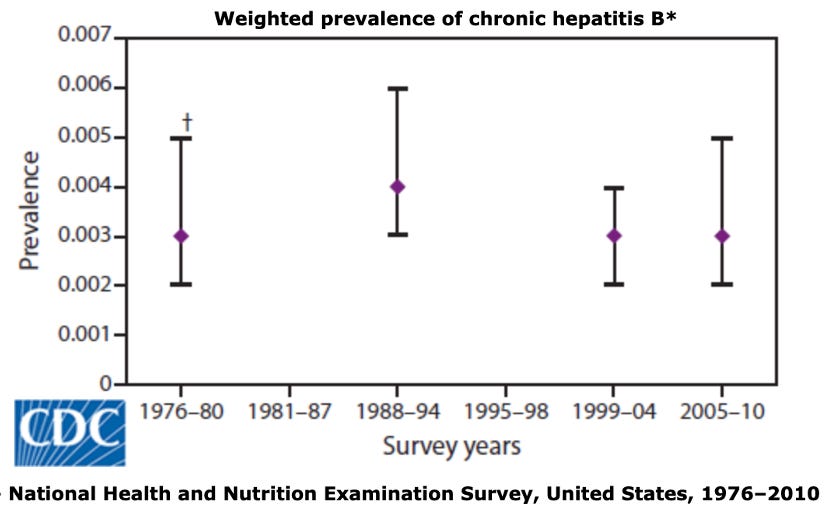
•Despite decades of the program, there has been no decrease in chronic hepatitis B (the ultimate justification for the program). This, I suspect, results from the fact a small portion of people do not respond to the vaccine, and those individuals who progress from acute to chronic hepatitis B share the same underlying immune dysfunction (effectively making it impossible for vaccination to achieve its ultimate goal as it cannot protect those who need protection)—a recurring issue with vaccination seen ever since the original smallpox vaccines.
Note: many suspect the newborn hepatitis B program was mass introduced to provide a larger market for Merck than homosexuals and IV drug addicts at risk for Hepatitis B or to prevent newborn hepatitis B transmission in Vietnamese refugees (both of which are plausible). However, an ACIP insider shared with me it was actually done to reduce Hepatitis B transmission in inner city youth engaged in risky behaviors (which was a public health issue) under the theory that they were unlikely to come in for vaccination appointments, so a blanket newborn hospital immunization policy was the only thing that could reach them, with newborn transmission then being concocted to justify that blanket policy.
Given this low benefit, extensive safety research should have been conducted to ascertain its safety and if it meets the “1 in 10 million threshold.” However, despite decades of pleas for this to happen (including from the IOM), other than studies tracking symptoms for 4-5 days after vaccination (where depending upon the symptom, 10-30% of recipients experience them, including some that can be quite serious in a neonatal context) nothing has been done.
At the same time, many datasets have shown there are more deaths each year immediately following the vaccine than (far less serious) cases of newborn hepatitis B transmission, and that many autoimmune diseases (particularly MS) have been repeatedly observed to follow the vaccine as its antigen matches human myelin (e.g., a buried 2005 study found that 60% of its recipients also developed immune reactivity to the myelin coating their nerves—which in the majority of cases persisted for over 6 months, while an unpublished 1999 study found newborn hepatitis B vaccination increased the risk of autism by 12.35X—with many other studies finding a comparable increase in developmental disability).
Corroborating this, a 1999 Congressional hearing featured many witnesses severely injured by the injection and a 1999 ABC investigation (aired prior to the pharmaceutical industry buying out the media in an era where segments on vaccine injury were routinely aired) highlighted many of the dangers of the hepatitis B vaccine:
Yet, despite all of this and the newborn hepatitis B vaccine long being one of the most unpopular vaccines, the medical community has continually circled wagons around it, has almost no knowledge of any of the previously mentioned data (rather they view hepatitis B vaccination as one of public health’s crowning achievements) and over the years, I’ve heard numerous reports from parents (and readers here) who gave birth at a hospital of their child either being vaccinated against their consent while separated from the mother (with developmental disability following in some cases) or being threatened with CPS involvement if they did not vaccinate.
In short, the hepatitis B example demonstrates that the medical community does not accurately provide the risks and benefits of vaccination, and were they to do so, parents would likely decline many vaccines.
Justifications for Vaccination
Our society has a very weird obsession with vaccination, many (myself) included have likened to a dogmatic religion. I believe this ultimately results from:
•After Christianity stopped being the shared foundation of our society, something had to fill the void, and “science” stepped in—shifting from a method for uncovering reality into a dogmatic pseudo-religion that claims exclusive ownership of truth (often for money and power). Medicine became a core pillar of that system as it offered the modern version of miracles (against death and disease), and vaccines took on the role of the ritual that marks you as one of the faithful by baptizing you into the faith.
•Much of the credibility and social status of Western medicine (and arguably the Western order itself) rests on the story that science and medicine conquered the dark ages of disease and lifted us out of the primitive conditions that kept everyone trapped in sickness and early death. Admitting that vaccines were actually counterproductive would therefore be existential suicide for the medical profession.
•In the early days of medicine (when infectious disease ran rampant due to poor sanitation and living conditions), there were very few options for treating them, and the main ones that existed—serums and vaccines—had major issues (e.g., partial efficacy and severe toxicity) that made them far from perfect From having read through all the historical documentation, I believe the physicians and public health officers of that time regretted the harm those early treatments caused, but gradually felt forced to adopt a callous attitude that viewed the harm as a necessary sacrifice for the benefit those therapies created, and once this mentality cemented, it persisted long after the need for those therapies had disappeared (e.g., diphtheria used to be a major killer—now it’s non-existent but we still vaccinate for it) and much better solutions had appeared.
Note: likewise, I believe the reason why allergies are the one accepted contraindication to vaccination is due to the fact allergic reactions (to the early unpurified vaccinations) was a major recurring issue (and at some point in the future I will publish all the examples and studies Sir Graham Wilson collected on this).
•Governments tend to excel at top down measures their force and power can be leveraged to administer rather than bottom up grass roots approaches (which are often necessary to fix the health of the society). Vaccines are the quintessential top-down approach as they provide the promise a tangible health benefit can be achieved through the tools at their disposal (and as mandates are needed, feed into the need for power and control that inevitably emerges in governance). Because of this, you see a surprising number of people in government and public health get sucked into the belief “all our health problems would go away if we just vaccinated more people” whose focus largely shifts towards whatever can be done to increase vaccination rates (even in instances where the vaccine fails to live up to its initial promises and the goalposts have to keep being moved).
Note: a recurring theme in government is that they will be tasked with solving a problem but only have an imperfect solution available. In these cases, rather than improve the solution, they will use the power of the state to force the solution to “work” in manner akin to using a hammer to pound a square peg through a round hole.
•While most infectious diseases we vaccinate for can be treated with conventional or natural methods, in many cases, parents do not know how to spot the early signs of the disease or have immediate access to effective therapies. As such, I always consider that while this point does not apply to me, for many others who lack the resources I am fortunate to have, vaccines do provide a critical safety net (although I could see AI greatly reducing the value of this as the early red flags are easy for it to detect if queried).
•In some cases, vaccine arguably provided a public health benefit (particularly if their harms are ignored), so per the inevitable human tendency to confirmation bias, these positive aspects of these examples are always focused on rather than the litany of forgotten failures and catastrophes1,2 seen throughout the history of immunization.
Note: a case can also be made the justification for vaccination is far more malignant (e.g., reducing fertility, causing chronic illness that creates lifelong medical customers, it being a religious sacrifice mirroring that seen in other societies like the Aztecs or blunting the consciousness of children so they are easier to control), but ultimately, I have no way to know why things are the way they are.
Producing Vaccines
Many of the problems with vaccines are ultimately inherent to their design. Unfortunately, much in the same way the immune system is one of the least understood parts of the body (often being referred to as “the last frontier” in medicine), most people, including doctors, have a very cursory understanding of how vaccines work.
Note: I believe this knowledge gap largely results from immunologic research being focused on creating profitable pharmaceuticals (vaccines, cancer immunotherapies and autoimmunity suppressing drugs) rather than actually understanding the immune system.
When the body is exposed to a foreign threat, it generally first encounters the innate immune system (barriers that keep pathogens from entering plus non-specific responses like fever and inflammation), which either clears the threat or slows it down. In tandem, an adaptive immune response is initiated that takes time to build (an immune cell with a randomly generated receptor that matches the threat must encounter it, become activated, and then produce enough copies of itself to control the infection). The duration and severity of illness are largely dependent on how long that adaptive response takes to become effective. Finally, once this adaptive response forms, it can reactivate much more quickly each time, so the initial phase (and hence the duration of illness) is much shorter.
The theory behind vaccination, in turn, is that if the unique molecular code of the threat (its antigen) can be introduced to the body without an actual pathologic infection, the adaptive immunity can be created without any actual danger or illness, so when the actual infection occurs, it will be rapidly neutralized.
Making vaccines hence requires producing a suitable antigen and introducing it into the body. Unfortunately, there are a few major challenges with doing this.
First, antigens are costly to produce, particularly at a scale which will elicit a reliable immune response (which often requires introducing toxic adjuvants).
Second, producing antigens normally involves culturing microrganisms, and hence often introduces a wide range of biological contaminants which are difficult to remove (and when not removed, often leads to catastrophic “hot lots”). Likewise, the chemicals needed to inactivate the toxic components of the vaccine (e.g., a virus or toxin) are often also toxic to the body.
Third, the antigens that effectively stimulate an immune response also often stimulate an immune response against human tissue (e.g., in addition to the previously mentioned hepatitis B vaccine, this was a major issue with the HPV vaccine Gardasil and the COVID vaccines).
Fourth, some antigens are inherently toxic to the body. The best example of this was the COVID-19 spike protein (which through natural infections, long COVID or vaccine injuries) wrecked havoc throughout the body (particularly when mass produced by the vaccine), but has also been seen in with other vaccines (e.g., the soup of poorly filtered pertussis and anthrax vaccines caused a lot of issues). Likewise, if an antigenic toxin (e.g., from tetanus or diphtheria) added to the body with a vaccine is not sufficiently deactivated, that toxin can injure or kill the recipient (which as I showed in a previous article has happened numerous times in the past).
Finally, the immune system behaves very differently when a pathogen contacts it at the surface (where a sterilizing response that often blocks transmission forms) versus deep inside the body (which often only reduces symptoms rather than preventing infection and transmission and often provokes a far more severe immune response). As such, classical injected vaccines frequently fail to prevent disease transmission, whereas the much rarer ones designed to create mucosal (IgA) immunity (e.g., intranasal sprays, and certain live virus preparations), accomplish this—all of which is discussed here.
However, despite this being well-known at the start of the COVID-19 vaccine campaign, it took a long time to acknowledge the wrong design was chosen (e.g., it was only after the vaccines had been on the market for a year that Bill Gates publicly admitted a sterilizing vaccine which blocked transmission should have been chosen).
Note: another vaccine which is frequently falsely asserted to prevent transmission is the TDaP pertussis vaccine (to the point ICAN successfully got an repulsive ad-campaign pulled which scared parents into forbidding unvaccinated relatives from visiting their infants—something many grandparents I know fell victim too). This failure is due to the fact TDaP counteracts the toxin which causes whooping cough rather than bacterial colonization—creating asymptomatic spreaders), and in turn, many pertussis outbreaks have been observed within vaccinated populations. That said, I am hesitant to attack this facet of the vaccine, as TDaP only came to market as a replacement for the far more toxic TDwP (which prevented transmission) because of years of lawsuits and lobbying by the vaccine safety community, and things would be much worse if TDwP was still on the market.
Before we go further, it’s important to underscore that most members of the medical profession are not aware of how vaccines are made, and hence do not have the context to understand why the “safe and effective” products will inevitably have issues. Instead, due to the religious aura surrounding vaccines, their mental exploration of this subject typically doesn’t go beyond “safe and effective.”
Antigen Production
Over the years, a variety of increasingly genetically engineered approaches have been created to create the needed antigens. The six main ones are:
1. Growing large amounts of the infectious organism, doing something to “kill” it (or neutralize the toxoid), and then attempting to filter away everything besides the desired antigens of the organism or its neutralized toxin (which is how most vaccines for bacterial infections are produced). In conjugate vaccines, these antigens are then bound to a carrier to improve the immune response in children.
2. Culturing a virus in a medium (e.g., annual flu vaccines are grown in eggs while the polio vaccine is grown in monkey kidney cells) and then inactivating the antigen containing virus by exposing it to a chemical. In most cases, this takes a while, which helps to explain why the annual flu vaccine is almost always for a different strain than the one that actually emerges (as they have to start producing the vaccine long before the dominant flu strain is known and hence must rely on their best guess to determine what the strain is).
Note: a major problem with this approach is that beyond the inactivating agent (e.g., formaldehyde) being toxic, a balance needs to be struck where enough is given to sufficiently inactivate the virus (so it does not cause illness) but not have too much be given (as once the virus is too damaged, its antigen are no longer recognizable to the immune system). For example, major issues emerged with the early the polio vaccines due to not enough formaldehyde being used and vaccine recipients hence being injected with live polio virus.
3. Genetically modifying an organism to produce the target antigen sequence, then killing the organism and extracting the antigen sequence. For example, both the HPV vaccine and the hepatitis B vaccine antigens are made from genetically modified baker yeasts. Newer approaches, such as growing the antigen from plants or insect cells (e.g., Novavax was made from moth cells), are also now beginning to enter use. In some cases (e.g., with the HPV vaccine) these antigens then spontaneously assemble into spherical virus like particles (VLPs).
4. Modifying an organism so that it remains capable of reproducing within the body, but is less likely to cause a severe illness. Some of the common live attenuated vaccines include the measles mumps and rubella vaccine, certain flu vaccines (e.g., the nasal ones), the chickenpox and shingles vaccines, and the live oral polio one (which is not given in the United States). A few bacterial ones also exist (e.g., for tuberculosis or typhoid fever). While typically the most effective, these vaccine are met with some skepticism by conventional medicine because they can cause illness in individuals with suppressed immune systems and shed. Additionally, I believe the nature of their production causes these vaccines to be commonly contaminated with other unwanted agents (e.g., pathologic viruses) and in some cases, they independently cause problems (e.g., Andrew Wakefield’s original controversial research linking MMR to autism showed significant gut inflammation was present and that this was potentially triggered by the vaccine measles virus).
Note: self-spreading vaccines (either of easily transmittable live viral vaccines or replicating viruses modified to carry an antigen) that transmit between hosts and replicate inside them have been developed and proposed for mass vaccinating animal populations, but none have been licensed.
5. Modifying a relatively harmless virus to also carry a target antigen sequence (e.g., the spike protein), mass producing it in a cell culture, and then injecting it into the body. The most well known examples of this were AstraZeneca, J&J’s, Russia’s (Sputnik), and China’s Convidecia COVID-19 vaccines.
Note: typically (with the exception of an ebola vaccine and a few animal ones) these are designed to not replicate within the body.
6. Transfecting human cells with mRNA which causes them to produce the target vaccine antigen until the mRNA goes away (which can take a long time as mRNA in the COVID vaccines was engineered to resist being broken down). Unfortunately there a massive number of problems with this approach (e.g., immune suppression and shedding to those not vaccinated) which strongly argue against the longterm adoption of this technology.
Note: self-amplifying mRNA technology (where the mRNA reproduces in cells requiring much lower initial vaccines doses) has also been developed (with a few approved COVID-19 ones existing).
(7). Transfecting a cell’s nucleus with a bacterial plasmid DNA (either by including a DNA nuclear targeting sequence such as the 72-bp SV40 enhancer region, or simply waiting until the cell divides and the nuclear envelope temporarily opens). Once inside the nucleus, the cell’s transcription machinery produces mRNA from the plasmid, which is then translated into the target vaccine antigen. Because of the theoretical risk of genomic integration, this approach has been viewed as riskier than mRNA or protein-based methods. So while extensively studied (with quite a few in development), only one DNA vaccine have been approved for human use so far (India’s ZyCoV-D COVID-19 vaccine), although numerous animal ones exist (making this not be one of the primary six approaches).
Note: I felt I had to mention this because when Kevin McKernan sequenced the COVID vaccines, he discovered DNA plasmids from the manufacturing process were present that contained the 72-bp SV40 enhancer region and argued were likely getting into the DNA and indefinitely producing spike protein—which critics said was impossible. It hence is astonishing this is actually a well established vaccine technology.
Lastly, while not technically a vaccine, one recent approach that is now used for preventing RSV in healthy infants is to inject a longstanding antibody which binds the virus (neutralizing it) and hence provides protection for a prolonged period (e.g., the RSV season).
The essential challenge all of these approaches face is that enough of the costly antigen needs to be produced for the immune system to develop a durable immune response to it. The original solution the vaccination field developed was to mix the antigen with a much cheaper additive which enhanced the immune response to the antigen, thereby making less of the costly antigen needed. Unfortunately, those adjuvants tended to overstimulate the immune system (producing off-target autoimmunity to tissues besides the target antigen). For example, in addition to the hepatitis B vaccine myelin issue mentioned above (where the immune system becomes programmed to attack tissue resembling the vaccine’s antigen), a classic study in this field showed that mice developed allergies to pollens that were in the air at the time of their pertussis vaccination (as the excessive immune stimulation primed the immune system to become permanently reactive to whatever was present at the time).
Note: I believe one of the primary issues with most vaccines is the tendency of their aluminum adjuvants (or spike proteins) to cause microstrokes by disrupting the body’s zeta potential and create autoimmune disorders. In turn, a textbook has been written on how aluminum causes autoimmune disorders, while other papers have shown how the immune system shuttles it into the brain after vaccination. While I cannot prove this, I have long believed the reason why aluminum functions as such an effective stimulus for the immune system is due to its strong ability to destroy the physiologic zeta potential, as this is something that would also occur in most infections and hence serve as a nonspecific signal to the immune system and something that could be detected from far away (due to how it distorts the water of the body). Amongst the aluminum adjuvants, the one used in Gardasil was the most problematic (as a strong stimulus was needed to overcome the body’s resistance to developing immunity to things matching the vaccine antigen), and in turn, disabling autoimmune conditions frequently followed the vaccine (making it the most harmful vaccine on the market until the COVID vaccines were released).
As time has passed, the vaccine field has moved towards using genetic engineering to efficiently produce the target antigen, either outside the body (e.g., in yeast cells) or within the body through some type of self replicating technology (e.g., the viral vectors or mRNA technology). As these approaches are highly unnatural, we are in turn continually discovering new consequences of them.
For example, the mRNA technology overproduces spike protein within cells, leading to it being forced out onto the surface of the cells, at which point the immune system not only recognizes it but the entire cell as a threat, which in turn helps to explain why profound tissue abnormalities were detected in autopsies of those who died from the vaccines experienced things such as tissue destruction due to immune cell infiltration that examiners described as:
This combination of multifocal, T-lymphocyte-dominated pathology that clearly reflects the process of immunological self-attack is without precedent.
Furthermore, while many issues exist with each of these approaches for designing vaccines, the core issue all single antigen vaccines share is that they produce an excessive immune response to a single antigen, rather than a moderate immune response to a wide variety of antigens (which is what happens during a natural infection).
Single Antigen Vaccines
Typically, the immune system does not produce an excessive immune response to a single antigen. However, if enough of it is put into the body or the body is exposed to adjuvants which provoke it into responding, it will. In turn, there are a few key issues with doing this:
First, the simplest type of mutation which occurs in nature is the changing of a protein sequence. Since protein (antigen) sequences have to match for an immune response to occur, creating a strong immune response to a single antigen immediately creates a selective pressure that causes the pathogen to evolve into something which no longer has the matching antigen. In contrast, since natural immune responses typically target multiple antigens within a pathogen, it is much harder for them to evolve resistance to it as even if one antigen changes, the immune system can still target the other antigens it was primed to react to and eliminate that partially resistant strain before it can reproduce and become the dominant one.
Because of this, a recurring theme of vaccination is that when they actually work, they will rapidly trigger the evolution of vaccine resistant strains and a selective pressure is exerted for the resistant strains to become the dominant one. In the case of COVID, this was particularly pronounced as the rapidly mutating virus shifted faster than it was possible to develop new vaccines and bring them to market, and the selective pressure the vaccines exerted caused many new variants to emerge once the vaccine had hit the market.
As such, when leaked documents were revealed in December 2020 of Europe’s regulatory review of the Pfizer vaccine, one of the things Europe’s EMA highlighted was that the circulating strain of COVID-19 was now slightly different from the one the vaccine had been designed for:
The Spike protein of SARS-CoV-2 undergo mutations, and it thus critically important to investigate the biological significance of these variants in relation to the development of Spike-based covid-19 vaccine candidates. For example, Korber et al. 2020 present evidence that there are now more SARS-CoV-2 viruses circulating in the human population globally that have the G614 form of the Spike protein versus the D614 form that was originally identified from the first human cases in Wuhan, China. Further, Li et al., states that as of May 6, 2020, 329 naturally occurring variants in Spike protein have been reported in the public domain. The applicant is asked to discuss how the chosen Spike antigen variant in BNT162b2 relates to the Spike variants currently on the dominant SARS-CoV-2 viruses circulating in the human population ([confidential information deleted]).1,2
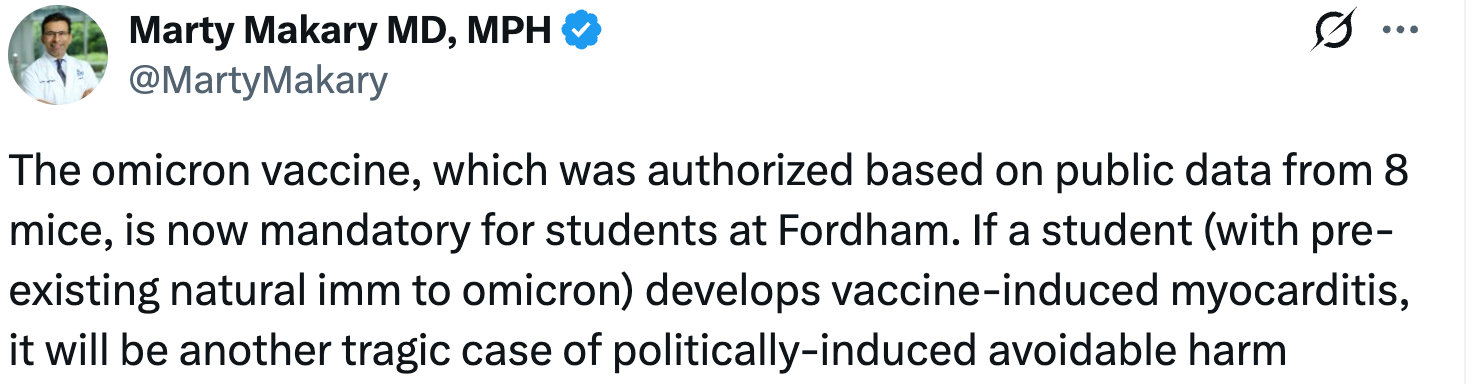
Likewise, once the COVID vaccine hit the market and a selective pressure was created, we rapidly saw the emergence of variant after variant, which the government tried to either ignore (resulting in the absurdity of mandates for vaccines to viruses that no longer existed) or rushing boosters to market as quickly as possible in the hope they could catch the strains before they disappeared, eventually resulting in (mandated) BA.4/5 bivalent boosters being approved on the basis of results from 8 mice, something the recent head of the FDA repeatedly criticized in 2022.1,2,3,4
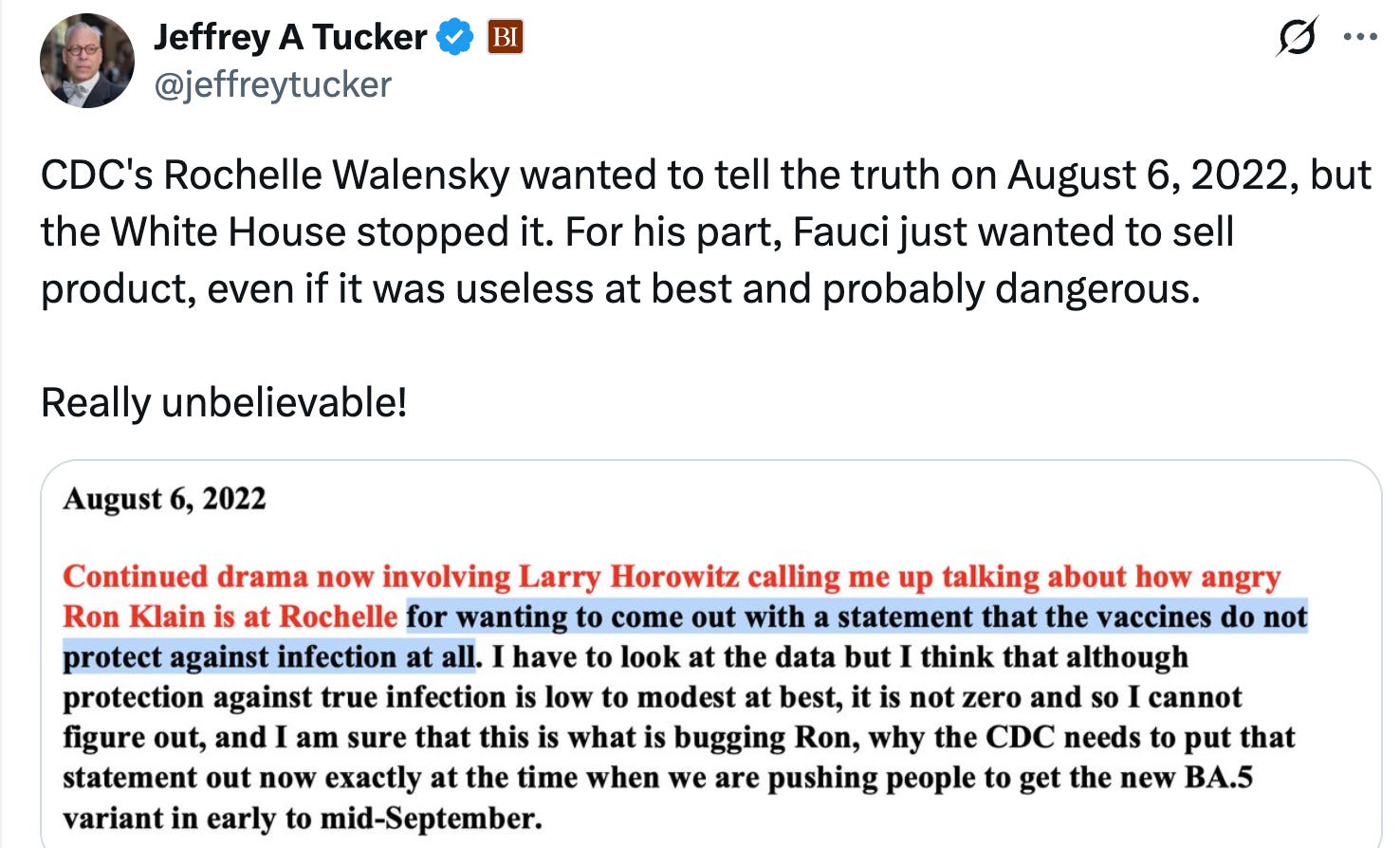
This ties into one of the more appalling revelations in Fauci’s diary where he states the head of the CDC wanted to disclose the (untested) boosters did not work (as the virus had already mutated), but the White House gagged her to ensure the booster campaign could continue (which Fauci supported).
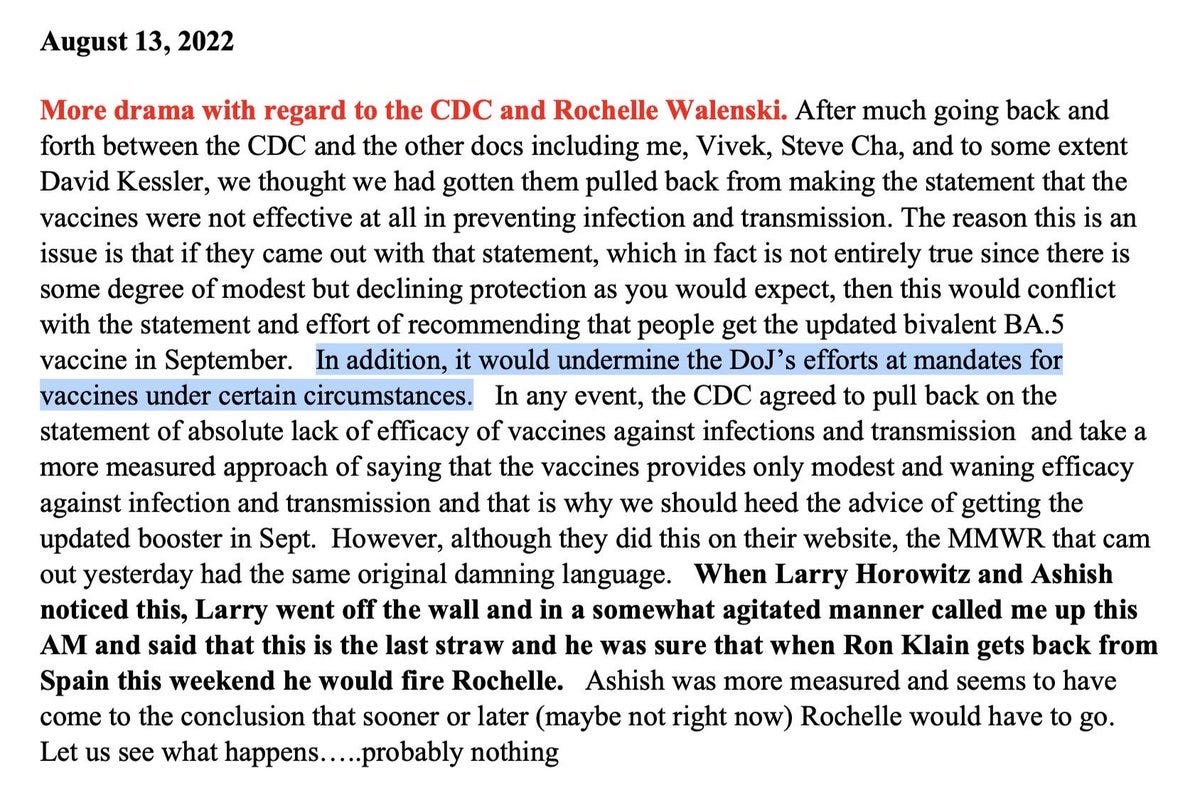
As such, a large portion of the American public lost confidence in the vaccine program, as they were promised the vaccines would fully protect them against COVID, but in reality, even with numerous boosters, they kept getting sick.
Furthermore, it should be noted that this issue is not unique to the COVID vaccines, as mutations have been observed in many other commonly circulating organisms after their vaccines hit the market. For example, the pneumococcal vaccine keeps on having to be updated with more and more antigens to cover the existing variants (where in 2000, one covering 7 strains was introduced, in 2009, a 10 strain one came out, in 2010 a 13 strain one came out, in 2021 a 15 and then 20 strain one came out, and in 2024, a 21 strain one was brought to market). Likewise, similar changes in vaccine efficacy have also been observed with Neisseria meningitidis, Haemophilus influenzae, HPV, pertussis, and to a lesser extent rotavirus (as the original designs used a limited number of antigens).
Note: In addition to these evolutionary changes that can weaken vaccine effectiveness against specific strains, they frequently alter how the pathogen behaves or which groups it affects (e.g., Delta and Omicron being more transmissible than the ancestral COVID-19 strain, non-vaccine pneumococcal serotypes rising with higher antibiotic resistance rates within those serotypes, and invasive Haemophilus influenzae disease shifting from predominantly childhood Hib to nontypeable and other non-b strains that mainly affect adults).
Original Antigenic Sin (OAS)
One of the unscientific beliefs which existing with the science of vaccinology is that the immune system has an unlimited ability to adapt to antigens, so an endless number of vaccines can be given, which in each instance enhance the immune systems ability to further respond to more threats.
The problem with this belief is that the immune system has a finite ability to respond to new infections, so if it becomes locked onto one (due to the immune response being excessively stimulated to target a vaccine antigen sequence), it loses the ability to respond to other strains it naturally encounters. Because of this, a recurring theme seen with vaccines carrying a low number of antigens is that they not only trigger the evolution of variants resistant to the vaccine but also reduce the body’s ability to respond to these variants.
For example, one of the most egregious examples occurred when one of the WHO’s top vaccine researchers discovered that giving the DTwP vaccine in a region of Africa where people frequently died of infectious diseases caused children to be 5 times as likely to die (boys were 3.93 times and girls were 9.98 times more likely to die)—which did not result in any changes to the “lifesaving” vaccine program.
Conversely, in many cases, live vaccines (which contain many different antigens) do the opposite and provide a broad non-specific stimulation of the immune system, which while harmful in fairly clean environments (e.g., the inflammation MMR creates may be a catalyst for autistic regressions), is quite helpful in less sanitary environments where infectious diseases are a common cause of death (e.g., the MMR and tuberculosis vaccines are some of the only vaccines I know of which have been shown to cause a clear mortality benefit as they reduce the risk of dying from other infections—with reductions in death ranging from 38-86%).
Further underscoring how little is understood about the immune system, this cuts both ways. Many of the viral infections of childhood have been repeatedly found to provide a critical development of the immune system that can stave off deadly diseases later in life. For example, not having a chickenpox infection increases your risk of brain cancer later in life,1,2,3,4 not having a mumps infection increases your subsequent risk of ovarian cancer,1,2,3 (as did not having a measles, rubella, or chickenpox infection1) and previous infections of influenza, measles, mumps, or chickenpox were found to decrease one’s risk of malignant melanoma.1,2 Likewise, a 2015 Japanese study, found previously having measles (especially when also previously having mumps) was associated with an 8–20% lower risks of death from cardiovascular disease, heart attacks, and stroke.
Finally, in many cases, populations rely upon shedding of a longstanding virus to stimulate everyone’s immune system and create herd immunity, which is why after the chickenpox vaccine was launched (which the CDC eagerly expected to eliminate shingles), shingles instead permanently increased (resulting in the CDC gagging the researcher they assigned to monitor this) and at the time the MMR vaccine was launched, measles had become a largely innocuous disease as the population was fully resistant to it due to population wide shedding creating herd immunity (which was then destroyed through the introduction of the vaccine). Given how small the benefits of vaccination are, this data suggests the benefits of vaccination may be outweighed by the chronic diseases the absence of the viral infections causes.
Note: this 1969 episode of the Brady Bunch (aired when measles deaths had dropped almost to 0 deaths annually) illustrates how much our conception of this disease shifted in the post vaccination era where it is effectively a national emergency if everyone is not vaccinated.
The immune suppression of OAS, in turn, has been best demonstrated with the influenza and COVID vaccines, particularly when the existing vaccine does not match the circulating strain (which is an extremely common occurrence). For example:
•A 2009 study found that vaccinating mice for influenza removed their ability to develop resistance to pandemic influenza following previous exposure to normal influenza. Compared to unvaccinated mice, vaccinated mice continued to lose body weight after a pandemic influenza infection and had 100-fold higher lung virus titers on day 7 [this increases transmission] post-infection and more severe histopathological changes.
•A 2010 review of four studies found that recipients of a seasonal influenza vaccine had a significantly increased risk (ranging from a 40% to 150% increase) of subsequently developing severe pandemic influenza (which unlike normal influenza could hospitalize you).
•A 2010 study of the severe pandemic influenza found that active duty members of the military were more likely to have received influenza vaccination than were those without H1N1 virus infection.
•This 2012 study conducted between 1999-2007 of 261 children 6 months to 18 years old who developed laboratory-confirmed influenza found that infected children were 267% more likely to be hospitalized if they had previously received an influenza vaccine.
•A 2012 study randomized 69 children to receive an inactive influenza vaccination, and 46 to receive a placebo. Of those vaccinated, 29.0% developed an infection with a non-influenza upper respiratory virus, whereas 3.4% of those who were not vaccinated developed an upper respiratory infection from a non-influenza virus.
•A 2013 study found receiving an influenza vaccination two years in a row increased rather than decreased the likelihood of developing influenza by 45% (ranging from 6% to 148% depending on one’s age).
Note: there is very little evidence influenza vaccination provides any benefit. For example, this 2013 Cochrane review (which represents the most objective and comprehensive evaluation of the existing evidence) found there is no benefit in giving them to children, this 2012 review found there was no benefit to patients if healthcare workers received them (nonetheless they are still mandated for most healthcare workers) and this 2006 study found our national vaccine program had provided no reduction in influenza for the United States. Nonetheless, much like the DPT study, these results have had no effect on halting the momentum behind the vaccine program, as once a vaccine is approved, the religious faith behind them makes it nearly impossible to withdraw them from the market.
Finally, we also witnessed throughout COVID-19, as we’ve all seen that those who were repeatedly vaccinated kept on getting COVID, whereas those who got the infection naturally developed a durable immunity. This was best shown by the Cleveland Clinic’s study of 51011 people, which found the more (single antigen) vaccines one got, the more likely they were to get COVID-19.

Note: OAS is particularly bad with the COVID vaccines because their continual production of spike protein in the body triggers a variety of immunosuppressive changes in the body.
Likewise, three years after that study was published, in a 53,402 person study, the Cleveland clinic showed the same issue occurred with flu vaccines:

Note: in tandem with OAS, vaccine efficacy often wanes (requiring repeated reboosting to maintain immune function). For example, the COVID-19 vaccine’s efficacy wanes approximately three months after the most recent injection, while with the hepatitis B vaccine, its efficacy largely wanes by the time an infant will be old enough to be exposed to unprotected sex or drug needles.
Th1 and Th2 Responses
An introductory principle in immunology is that there is a constant balance between the Th1 (cell mediated or cytotoxic) immune response and the Th2 (humoral or antibody) immune response as the Th1 response releases IFN-γ which effectively suppresses the Th2 response, and the Th2 response releases IL-4 and IL-13, both of which effectively suppress the Th1 response. The Th1 response tends to be excellent at dealing with intercellular pathogens and cancers, while the Th2 response tends to be excellent at dealing with pathogenic substances such as toxoids, parasites and encapsulated bacteria that are outside cells or on their surfaces. The balance between Th1 and Th2 is frequently discussed within the hygiene hypothesis, which posits many of our chronic diseases arise from an imbalance between these two systems due to modern sterile living conditions.
Classical vaccinations (those with a small number of antigens and an adjuvant such as aluminum) tend to excessively increase the Th2 response (e.g., see this study on the DPT vaccine). Likewise, there are a variety of effective conventional and alternative medical therapies that elevate the Th1 response and suppress the Th2 response which are often used to treat complications from vaccinations, cancers, or viral infections.
Because of this, you typically observe the best results for single antigen vaccines which are directed against toxoids or encapsulated bacteria. However, at the same time, as the previous section shows, these vaccines often stop working because they place selective pressure on the organism to evolve resistance. This is best demonstrated with the pneumococcal vaccine, which as the years have gone by, has had to have more and more antigens added to it so that the existing strains are still covered by the vaccine.
Note: live viral vaccines tend to give a more natural and functional immune response with both a Th1 and Th2 response (e.g., see this study on the MMR vaccine).
Therapeutic Vaccines
One of the strongest cases for vaccination exists for vaccines which are given once a disease is already present (for the purpose of eliminating or reducing it) rather than beforehand to prevent a disease. This is because there is no longer a small unquantifiable benefit (the chance of getting the infection within the period of time the vaccine remains effective times how severe that infection is likely to be) counterbalancing the known risks of the vaccine.
The quintessential example of this is rabies, as while the rabies vaccine is harmful and has a long history of causing neurological damage,1,2 (with the Supreme Court, in a 2011 opinion, recognizing some of the earlier and more toxic rabies vaccines as being “unavoidably unsafe”) an untreated rabies infection is worse (typically being 100% fatal). Since rabies infections following a bite take a while to develop, it hence it possible to prevent the ensuing rabies infection by giving a vaccine after the bite (with the vaccine typically working), thereby justifying the harm the vaccine will cause.
Note: even this example is not completely clearcut, as no data exists to establish what percent of rabies infections will progress to the certainly fatal symptomatic cases, in many cases vaccines are given without knowing if the animal was actually rabid (which has led to people I know who unnecessarily received the vaccine after a bite seriously regretting the decision due to the complications they experienced). Furthermore, while no other treatment for rabies exist, I came across a 2008 report from Togo (West Africa) where a boy with advanced rabies (where nothing could be done) received UVBI and rapidly had a full recovery—which while plausible given UVBI’s robust antiviral properties, given the lack of data here, I would never substitute for rabies vaccination unless the latter was simply unavailable.
On the opposite end of the spectrum, therapeutic vaccines are also used for chronic disease, which in a few cases, by increasing the immune response, have demonstrated remarkable efficacy at eliminating a chronic infection which caused chronic recurring issues for the patient. Unfortunately, that does not always hold true. For example, one of the reasons concocted to market the COVID vaccines was as a treatment for long COVID under the theory (and a widely promoted pharmaceutical sponsored case study) the vaccine’s immune stimulation could allow the body to eliminate the infection. However, since long COVID primarily resulted from cumulative spike protein toxicity, we came across many cases where significantly increasing a patient’s spike protein burden with a vaccine made them become much worse, and in turn, this marketing pitch for the COVID vaccine was gradually dropped.
Withdrawn Vaccines
Lastly, a key fact many people do not appreciate about vaccines is that despite the vaccines being “safe and effective” many have been withdrawn from the market, and it is likely many more (e.g., some of the COVID vaccines) will be in the future. For example, this is one list of withdrawn vaccines that was compiled:

Determining The Risks and Benefits of Each Vaccine
Given all of this, I have tried to extensively explore the risks and benefits of each recommended vaccine, partially for my own curiosity, but also so that I can provide truthful information to patients who ask. I feel this is particularly important as many parents want a reduced vaccine schedule rather than a full one, and since the harm of vaccines is cumulative, removing both the most harmful ones and spacing out the remaining can significantly decrease the total harm to the infants.
Note: despite spacing out being a well established way to reduce vaccine harm, the medical profession has relentlessly targeted anyone who advocates for deviating from the (ever-growing) CDC vaccine schedule as doing so is a tacit admission vaccines are not 100% safe.
In the final part of this article I will highlight:
•Which therapeutic vaccines have demonstrated real value for chronic illnesses (e.g., fibromyalgia, diabetes, cancer) and the natural “therapeutic” vaccines which have been shown over the years to offer immense promise for key chronic illnesses that do not respond to standard therapies (and in some cases reverse the immune dysfunction vaccines cause).
•My assessment of the overall risks and benefits of each vaccine on the infant vaccine schedule (e.g., I believe the COVID and HPV vaccines have the worst risk/benefit ratios).
•Completely non-toxic alternatives to vaccination which have extensive data demonstrating their efficacy in large scale ‘vaccination’ campaigns, but nonetheless have been suppressed by the medical system to protect the vaccine market.
