
Story at a Glance:
Throughout the development, production and distribution of the COVID vaccines, whenever a choice had to be made between safety and efficacy, efficacy won—a pattern which can be traced through the antigen chosen, the nanoparticles used to deliver it, the modifications made to the mRNA, and the doses selected.
Once the vaccines reached the public, a series of things happened which were not supposed to be possible, the most significant being that the spike protein kept being produced for months or years after injection, and that unvaccinated people around the vaccinated became ill in clear and reproducible patterns.
For years I assumed this was simply the predictable result of a rushed and profit-driven product. However, while researching the existing vaccine designs, I learned that bringing foreign DNA into the nucleus of cells is already an established vaccine technology—which not only offers a far more feasible explanation for the persistence, but suggests those designs were chosen knowing what they would do.
This matters because continual antigen production and spread through a population are not accidents of these platforms. They are the longstanding goals of vaccination itself, and are now being made explicit by the next generation of “replicon” vaccines which are designed to keep producing antigen long after injection.
Spike protein injuries have consequently become one of the most widespread and complex illnesses the population currently faces, yet there is almost no mainstream research on them and no established protocols for treating them—which is why I am continually asked what can actually be done.
This article is the result of a large project to answer that question. It covers the treatments which have consistently worked, why the far greater number of failures reveal so much about both the supplement industry and how chronic illness is approached in general, and everything we now know about shedding.
I have always been drawn to puzzles that contain large amounts of “unknown information” as this forces you to consider a wide range of possibilities, but simultaneously have the discernment to recognize which of those potential answers is the most probable and hence is less likely to backfire on you if you commit to it.
On one hand, many people have a total intolerance for anything uncertain or unsanctioned (which is why many medical professionals are unwilling to do anything slightly “unorthodox”—even if it is essentially a given that the existing conventional options will lead to a bad outcome for their patient (e.g., death from an “incurable” illness). On the other end of the spectrum, many people will be too eager to commit to unsubstantiated answers, and in many cases (due to confirmation bias), collect a body of highly questionable evidence that supports their chosen possibility (which in the case of the COVID vaccines, has resulted in numerous theories briefly going viral which are completely at odds with reality—and often basic science).
This, in turn, has been the lens I’ve observed the COVID vaccines through, as beyond the mRNA gene therapies still being in the experimental stage when they were given to the entire population, we saw a lot of very strange things occur which hence invited equally strange explanations for what was going on.
For example, since the vaccines came out, embalmers have been observing science fiction-like massive rubbery clots coming out of the bodies of deceased individuals who had been vaccinated. A few citizen researchers, in turn, have been trying to draw attention to this issue and have conducted numerous surveys of embalmers (which many professional organizations resisted) that were able to show those clots indeed were being found, and recently were able to have the 2022-2025 results be published in a medical journal—where across 808 responses, 66% to 83% of embalmers reported finding these clots in roughly 19% to 27% of embalmed bodies.
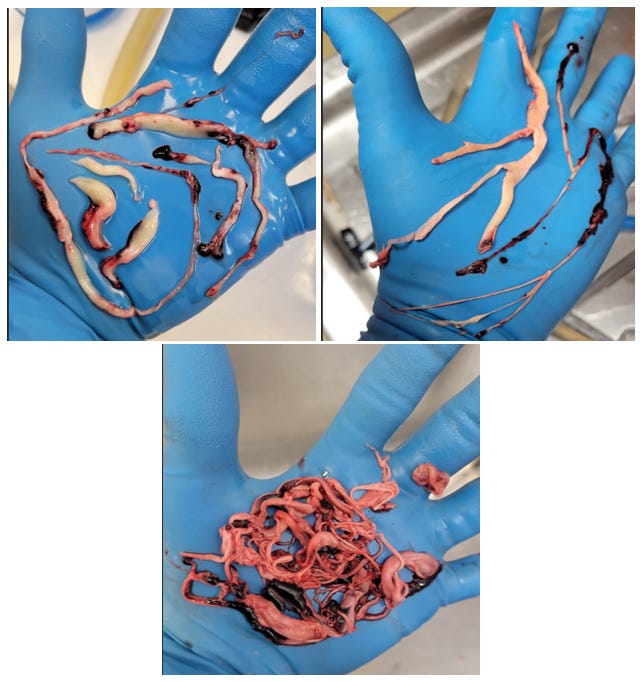
These disconcerting findings in turn met a variety of expected responses ranging from refusals to discuss the topic at all, to denials they existed (despite the extensive work the citizen journalists did to reveal that they did) to a variety of shocking explanations being put forward to explain what they were (e.g., alien parasites or nanotechnology).
While I was trying to make sense of this topic, I came across a largely unnoticed paper on COVID-19 that stated the spike protein causes fibrin (which the body uses to create long-lasting blood clots) to misfold. Since the body depends on a precise balance between enzymes creating and breaking down fibrin clots, if misfolded fibrin were to be formed, there was a high likelihood that the body's clot breaking enzymes would no longer match it, and hence that the body would not be able to break these clots, thereby allowing them to grow unchecked until they eventually became the massive clots embalmers were finding, particularly since the study modeling this was able to show (nowhere near as large) irregular fibrin clots formed by the spike protein that were resistant to the enzymes the body used to break down clots—all of which I detailed in this 2022 article. That model then became the accepted explanation and researchers were subsequently able to develop blood tests that showed the amyloid (misfolded) fibrin clots were present in the bloodstream.
Malice or Malfeasance?
Whenever something bad happens on a large scale, a case can normally be made that it was due to a deliberate desire to harm others, incompetence (and a tendency to double-down on one’s mistakes), or simply a complete lack of concern for the human cost of whatever they want to do. I tend to lean towards the latter explanation, as the strongest case frequently exists for it and it does not require ascribing (often ultimately unknowable) motives to someone else.
As such, from early on with the COVID-19 vaccines, I formed the impression that the vaccine industry (and to some extent the US government) felt they needed to get the vaccines to market as quickly as possible. For instance, leaders wanted a “working” vaccine to get to market as soon as possible (and ideally before the 2020 election) so the economy could be opened up, Operation Warp Speed was effectively a winner-take-all competition so whoever got the first vaccines to market would likely make most of the money in it and there was a real likelihood the population would develop herd immunity to COVID-19 before the vaccines came out (negating the need for them in the first place), which led not only to the vaccine being rushed along, but also federal health leaders trying to stall the virus enough for the vaccines to still have a market (e.g., HHS insiders admitted many of the 2020 "containment" measures were done to isolate the population so herd immunity could be delayed,1 and Scott Gottlieb, a recent FDA commissioner who became a Pfizer board member in 2019—advocated for lockdowns and publicly gave statements we were much further away from herd immunity than what he privately told the CIA1,2).
Note: one of the most appalling aspects of this strategy was not only was herd immunity delayed to protect the vaccines, but the unnatural “immunity” the vaccines gave prevented the population from being able to develop herd immunity to COVID-19, thereby turning a passing pandemic into a permanent seasonal infection. This was because the COVID vaccines created a very narrow immunity that locked the immune system onto the original strain (of a rapidly mutating virus), thereby both provoking the rapid evolution of variants but also making those locked onto the original virus less able to mount an immune response to the newer variants—shown by both Cleveland Clinic Research1 and countless Reddit reports of individuals being more likely to catch COVID the more shots they’d gotten1 (and in many cases catch COVID numerous times). While this was probably not intentional, it is notable that just two months after the COVID vaccines hit the market, vaccine CEOs were already talking about the COVID vaccine becoming an annual vaccination like the flu shot.1,2,3,4,5
To expedite the vaccines, again and again, I identified how they appeared to have made the decision to cut as many corners as possible in each stage of its development, testing, production and distribution. As such, I long believed the fiasco we saw was simply due to a desire to make money and a complete lack of concern over the consequences the actions taken would create. However, while researching the existing vaccine designs for a recent article, I came across a rather surprising piece of information that has changed my perspective on what actually happened with the vaccines.
How Vaccines Work
When the body is exposed to a foreign invader, a series of defensive responses are mounted. Some of these are relatively non-specific and hence can initiate immediately, while others are specific to the microbe and, though often more protective later, initially require time to become effective (as the tiny fraction of your randomly generated immune cells which match the invader must encounter them and then after being activated, have time to reproduce enough that a sufficient amount of those cells are present to control the invader).
Note: life revolves around having DNA (or RNA equivalents in certain viruses) be transformed by cellular enzymes into corresponding mRNA sequences, which is then transformed into corresponding protein sequences. Because of this, most organisms contain unique protein sequences that give them a “molecular fingerprint.”
The theory of immunization, in turn, is that if you introduce the antigen (protein fingerprint) of the invader (without the invader also present), it becomes possible for the body to develop adaptive immunity to the antigen (and hence the pathogen which contains that antigen) without also having to survive a potentially dangerous infection. As such, a variety of different antigens are routinely injected under the belief doing so will create immunity to disease—even though in reality this frequently does not work or creates a host of problems from unintended off-target “immunity.” However, due to the religious fervor around vaccinations, the medical field essentially believes in the infallibility of this approach and continually tries to find every feasible way that can be done.
As such, over the years, a variety of methods have been created to develop these antigens.
Originally, the infectious microbe would either be cultured and then chemically inactivated (e.g., killed), filtered or selectively bred (via repeated passages through cellular mediums) so that the microbe was made less dangerous (e.g., no longer infectious) while still containing sufficient antigens to create an immune response (along with the microbe sometimes reproducing within the host and creating even more antigens to ensure the development of an immune response).
Later, once genetic engineering entered the picture, things would either be modified to produce the antigen so it could then be extracted (e.g., modified yeasts for Merck’s HepB and HPV vaccines or moth cells for Novavax), or a virus would be modified to carry the antigen and then mass produced outside of the body so those antigens could be delivered via the viruses (e.g., J&J or AstraZeneca’s COVID vaccines).
Later still, genetic engineering made it possible to instead have the vaccine recipient’s cells produce the antigen (thereby allowing a much lower initial dose of the vaccine to be used). Many public health officials, in turn, pushed for this approach as it takes much less time to create the synthetic mRNA which did that than producing traditional vaccine antigens, thereby making it possible to bring vaccines to market for a new infection much sooner (whereas with annual flu shots, they have to be produced before the flu season and frequently end up being for different strains than what is circulating).
Note: there are a variety of safety and efficacy issues with each of the vaccine designs (e.g., many of the “essential” ones on the market either provide almost no benefit or make their infections worse) and when I went through all the standard ones, I could only identify one you could make a good case provided a net benefit (along with a few non-standard ones like rabies after a bite). However, as mentioned before, due to the faith surrounding vaccines, every vaccine is assumed to be completely safe, effective and essential regardless of the actual data or logic underlying that assumption.
Designing the mRNA Vaccines
The vision of mRNA vaccines that was sold to the public is:
A carefully crafted sequence of mRNA is created and then manufactured at scale.
This mRNA is introduced into cells by injecting muscles with lipid nanoparticles containing the mRNA (which then travel into just the muscle tissue and the cells in them).
Once in the cells, mRNA is transformed by the cellular machinery within the cytoplasm into a foreign antigen which gradually travels out of the cell and coats its surface, where the immune system can recognize the antigen and develop an immune response.
Not long after, the immune system breaks the mRNA down and the entire process stops.
However, while that was the vision, it had major problems, and for decades attempts to find an acceptable balance between safety and efficacy failed (Dr. Malone, one of its pioneers, abandoned lipid-nanoparticle delivery in the 1990s after documenting its profound toxicity¹). This is best shown by Moderna, which raised billions from investors by selling the vision of life as software you could rewrite into health, yet could not deliver what was arguably the easiest mRNA therapy target on the market — a rare disease needing a single missing liver enzyme — because no dose was both low enough to be safe on repeat injection and high enough to work.1,2 According to former Moderna employees in 2017, this left vaccines as the only viable use of the technology, since a vaccine needs just one or two doses and the toxicity that made repeat dosing impossible never had a chance to accumulate.1
So, by the time COVID-19 arrived, both companies that would bring mRNA vaccines to market were in trouble. Moderna had gone public in December 2018 in what was then the largest biotech IPO in history, raising $604 million at a $7.5 billion valuation—and then watched its stock fall more than 19% on its first day of trading.1,2 It had no product, $60 million in revenue against $606 million in operating expenses, an accumulated deficit of $1.5 billion, and shrinking cash reserves, and it closed 2019 at $19.56 a share, below its $23 offering price.1,2 BioNTech was in a similar position: it had never taken a product past phase 2, its losses were widening, and its October 2019 IPO had to be cut from 13.2 million shares at $18–20 to 10 million at $15 before it could get done, closing its first day lower still.1,2 One month before that IPO, the Bill & Melinda Gates Foundation had bought a $55 million equity stake in BioNTech (with up to $100 million in total funding pledged), reportedly at around $18 a share, meaning the foundation was underwater the day the company listed.1,2 In other words, mRNA's two flagship companies entered 2020 needing exactly what a former Moderna employee had described three years earlier: a "miraculous, Hail Mary sort of save."1
Given this, I felt it was a given they would take advantage of everyone’s desperation to get a viable vaccine to market by both cutting as many corners as possible and by leveraging the vast institutional support for the vaccine (e.g., liability protections, poor oversight of clinical trials, and zealous media support for the vaccine—particularly since Bill Gates, a key investor in the technology, had also cultivated a vast sphere of media influence through “donations” to many leading publications1). As such, I was curious to see how they would solve the irreconcilable challenges with the mRNA technology and hypothesized whenever a balance needed to be found between efficacy and safety, efficacy would be chosen to expedite getting a COVID-19 antibody producing agent to market (since the widespread faith in vaccines makes robust antibody production one of the primary metrics regulators care about despite it often having a poor correlation to clinical benefit).
What follows is an (incomplete) list of how that balance was struck:
1. Choosing a toxic antigen: The easiest target for a vaccine was the COVID-19 spike protein since this was a novel part of the virus, needed for infection and highly immunogenic, so both Pfizer and Moderna’s vaccines were designed around causing cells to mass produce this protein (which was slightly modified so it could not fuse with cells and hence “safe” 1) as this was by far the fastest way to reliably create an antibody producing vaccine. However, there were a few problems with this approach.
Chiefly, since the (positively charged) spike protein was inherently toxic in numerous ways (hence why it was so immunogenic), by mass producing it inside the body, an effect was created that was arguably worse than a COVID infection (particularly for the individuals whose bodies could not clear the spike protein—which was shown as the distinguishing factor in a January 2023 study comparing adolescent vaccine recipients with and without myocarditis, where those who developed myocarditis had free spike protein circulating in their blood for weeks despite having a normal antibody response, at levels equal to those seen in children hospitalized with the severe post-COVID inflammatory syndrome MIS-C).
Furthermore, this design was predisposed to creating off target immunity. For example, since the highly toxic antigen was expressed on the surface of cells, it was well-suited for provoking autoimmune responses—something made considerably more likely by the fact that the spike protein shares sequences with numerous human proteins.1 A 2022 peer reviewed analysis identified a motif shared between the spike protein and thrombopoietin (where cross-reactive antibodies could produce the thrombocytopenia seen in these patients), along with another motif shared with PRKG1, which is involved in platelet activation, and with tropomyosin, which is linked to cardiac disease1 (with the authors explicitly noting the implications of their findings for vaccine design).1.
Note: beyond autoimmune disorders frequently being associated with the COVID vaccines, pathologists who examined the bodies of individuals who died after vaccination found unusual inflammatory infiltration and immune destruction of normal tissue expressing spike protein vaccine antigens (e.g., within the heart).1,2
Likewise, by forcing the body to lock onto a single antigen (the original COVID-19 spike protein), pressure was made to rapidly mutate COVID to a different spike protein, thereby making immune systems locked onto the original strain less able to respond to the new ones (which as said before is why I believe the vaccines prevented us from developing herd immunity to COVID-19)—an issue sadly also seen with many other vaccines that use a small number of antigens.
Note: in 2022, I spoke to a few people who argued that China, knowing the US’s approach to vaccine development, may have designed COVID-19’s spike protein so that the likely vaccine for it would be highly dangerous. While it’s impossible to prove or disprove that hypothesis, it is noteworthy that China’s Sinovac instead used a traditional vaccine design (inactivating a COVID-19 virus), was significantly safer than the mRNA designs and debatably offered comparable efficacy to the mRNA vaccines1,2 (which rather than proving malice could simply illustrate that the Chinese were intelligent enough not to pursue a bad vaccine strategy).
2. Choosing dangerous lipid nanoparticles: as mentioned before, one of the unsolvable challenges in mRNA technology was making the lipid nanoparticles which delivered them inside cells be both safe and effective (as since mRNA carries a strong negative charge, a strongly positive lipid is needed to package it, but nothing in the body is permanently positively charged, so those lipids damage whatever cell membranes they touch—and simultaneously, since most of the particles are digested before they release anything, far more of them have to be injected than the body can tolerate). Curious how this would be solved, I read through regulatory documents leaked from the EMA (Europe’s FDA) in December 2020, and noted that when the nanoparticle design chosen (ALC-0159) was discussed, only efficacy was highlighted as a rationale for it—indicating, again, that since there were so few viable ways to make these nanoparticles work, efficacy was prioritized over safety so the products could be brought to market (while the only concern regulators raised was that since its metabolite was an acetamide and certain acetamides have been linked to liver cancer, this could potentially be an issue). As such, I felt it was likely these nanoparticles would have toxicity and issues with spreading to unintended sites in the body which was indeed what happened (e.g., confidential Pfizer documents were obtained through a May 2021 Japanese FOIA showing the vaccine nanoparticles accumulated in the ovaries).
Note: there are a few potential explanations for the significant clotting seen with COVID-19 and the vaccines (e.g., the previously mentioned amyloid clots or our observation the vaccine causes a high rate of the rare but severe autoimmune clotting disorder antiphospholipid syndrome—likely due to it provoking the immune system into attacking the phospholipid coating of spike protein expressing cells). However, my observation from the start of COVID-19 is that the positive charges of both the spike protein and the lipid nanoparticles (which matter more acutely) appear to be what is causing the rapid clotting (and microclotting) seen with the vaccines and why so much of my focus since 2020 has shifted towards restoring the physiologic zeta potential.
3. Making mRNA resist degradation: Since foreign mRNA was rapidly degraded by cells, it was not possible to ensure enough would persist long enough to produce enough spike protein to generate the needed immune response. To address this, rather than using uridine (one of the four building blocks of RNA), the synthetic mRNA was manufactured with a modified version of it, pseudouridine, as RNA containing pseudouridine both resists degradation and hides from the immune sensors that would otherwise detect and destroy foreign RNA. In the body, this is a tightly regulated process where specific enzymes modify specific sites on specific mRNAs, and to this day it is not understood well enough to predict what a given modification will do. Rather than attempt to replicate that, the manufacturers simply replaced every uridine in the sequence and did so with N1-methylpseudouridine, a synthetic molecule more potent than the natural version which does not exist in the human body thereby guaranteeing enough was done for the mRNA to persist long enough to work.1,2
This however led to two major problems. First, since the process was overshot, the mRNA no longer merely lasted long enough to produce an immune response—it persisted for months, continually producing spike protein the whole time. This was first shown by a 2022 Stanford study that found vaccine mRNA and spike protein still present in the lymph nodes of recipients 60 days after their second dose (the latest point at which they looked),1 and corroborated by a Massachusetts General Hospital autopsy study that detected vaccine mRNA in the lymph nodes and heart muscle of patients who died within 30 days of vaccination,1 another study which found mRNA persisted in the blood of 37% of recipients for at least two weeks after vaccination,1 along with being found in human blood, placenta and semen in many cases over 200 days since vaccination.1,2 Second, the key reason pseudouridine allows the mRNA to persist is that it hides it from the innate immune sensors (TLR7, TLR8, RIG-I and PKR) which exist to detect foreign RNA and destroy it.1,2 The long term consequences of this immune suppression however were never tested, and hence may play a contributing role in the immune suppression and cancer being seen following COVID vaccination.
Note: Codon optimization (which increases protein production from mRNA) may have also caused the vaccine to excessively produce spike protein in the cells—once again illustrating that efficacy was chosen over safety.
4. Excessive dosing: with any substance, as greater amounts are taken, adverse reactions and severe ones become more common (to the point everything has a lethal dose). For something to be viable as a medicine, the dose needed to create a therapeutic effect has to be below its toxic dose, and generally, the greater that difference (the therapeutic window) is, the better the medication is (e.g., one of the main reasons why I’ve been able to promote DMSO is because the therapeutic window is so wide, most people who use it correctly have positive rather than negative effects), whereas the narrower it is, the more high risk the medication is and the more precisely its dosage has to be controlled (e.g., this is why chemo is frequently given at infusion centers). Further complicating this, the toxic dose (and effective dose) vary person to person, so frequently, the medication’s therapeutic window is narrow enough no optimal dose exists for everyone, which results in the medical system throwing the sensitive patients under the bus who can’t tolerate the standardized doses the medical system revolves around.
With the mRNA technology, as mentioned above, a major problem was that the therapeutic window was too small for it to be a viable therapy (as doses high enough to work were also toxic), and while the therapeutic window widened when vaccination (rather than addressing a genetic defect) was the goal, the fundamental issue still remained that there did not appear to be an optimal way to dose the therapy. As such, I was curious how this would be addressed, and immediately noticed Moderna used a dose which was 3.3x greater than what even Pfizer would use (something I attributed to Moderna at that point being desperate to bring a viable product to market). Remarkably, subsequent safety data showed Moderna’s vaccine indeed had a higher rate of side effects, but despite a dose toxicity relationship being demonstrated, regulators never did anything to address it.
Producing the mRNA vaccines
One of the greatest challenges with bringing a pharmaceutical to market is scaling up its production. So, as you might guess, a lot of corners were cut here as well to be able to bring a viable product to market. These included:
1. Vaccine mRNA rapidly degraded: This was one of the primary regulatory concerns with the vaccines (e.g., in the leaked EMA documents, numerous datasets were cited by regulators that showed the vaccine mRNA rapidly broke down into fragments), and is, I believe, why when the vaccines were first launched, a huge deal was made about keeping them ultra-frozen until injection (e.g., Pfizer shipped at -90°C to -60°C and Moderna shipped at -50°C to -15°C1). However, once the launch happened, this gradually became forgotten (e.g., the vaccines were left out for long periods at vaccination clinics and they switched to just refrigerating them).
Note: when I initially learned about this, I was worried it would cause abnormal mRNA fragments to form that could be a potential safety risk, but I now believe this actually made the vaccine safer (as the more time they had to break down, the less active mRNA there was), and to some extent, this was supported by an adverse event reporting analysis that found vaccine lots distributed further away from Europe’s manufacturing site (and hence having longer to break down) had a lower rate of adverse events, as did ones taken further away from the date of manufacture.
2. Doctored Western Blots: To assess if an intended protein is present, Western Blots are one of the most commonly used tests, and in the pre-AI era, due to computer generated ones being much less amorphous than natural ones, authors would frequently get caught fabricating Western Blot tests (e.g., this caused billions of dollars and years of Alzheimer’s research to be wasted on the amyloid hypothesis and was only caught after the fact by an independent investigator who noticed the artificial blots). Given that it was a major question if the mRNA vaccines could actually work as promised (especially given their tendency to rapidly break down) when we looked into it, we realized the blots needed to assess what was being produced were likely fabricated.
Note: while I assumed this was done to gloss over the fact the vaccines had poor quality control (with many not producing the promised product), from looking at all the available blots, another reliable researcher made the case they showed something else which was not disclosed was in the vaccines too (and to this day, it has not been identified).
3. Vaccine contents varied lot by lot: in addition to numerous VAERS analyses (and published papers) showing the toxicity of COVID vaccine lots varied greatly, when Ryan Cole examined the COVID vaccines under a microscope (as detailed on The Highwire), he found what was present in the vaccines varied greatly (and likewise, Japan pulled 1.63M vials of Moderna’s vaccine after visible metal particles were found in them). Cole felt these observations indicated there were real quality control issues with the vaccines, that properly mixing the vaccines was challenging and that the process for the vaccines was very poor (resulting in some individuals getting excessive doses and others effectively getting saline shots—which mirrored our own experiences). Remarkably, when the UK’s MHRA was asked through a FOIA what testing had been done to look for contaminants in the COVID vaccines, they disclosed that some vials had been sent for a visual inspection test, which consisted of reviewing them against two monochrome backgrounds to observe particulate matter visible to the naked eye, and explicitly stated the composition of the vaccine was not examined.1
Note: while Cole’s explanation for this is the most probable explanation, it is also possible saline was given because not enough vaccine product was available to meet the committed orders.
4. The production process was changed. When the original COVID vaccines were made for the clinical trials, in Process 1, they were produced by:
•Starting with a circular plasmid that had the vaccine sequence on it.
•Using PCR to copy that sequence and turn it into linear DNA.
•Having T7 RNA polymerase make the vaccine mRNA from those linear
•DNA templates.
•Purifying the result so that, for the most part, what you had left was the mRNA.
The problem with this approach, however, was that it did not scale anywhere close to the volume needed for the public roll-out. So when it came time to bring it to market, they cut corners and improvised a different way with Process 2:
•Starting with the same kind of circular plasmid and introducing them to E. coli bacteria.
•Growing E. coli that now had that plasmid in them.
•Using an antibiotic to eliminate E. coli in the culture that did not have the plasmid (as beyond producing a spike protein, the plasmid also contained a gene for antibiotic resistance).
•Once they had a pool of bacteria carrying the plasmid, they killed them and extracted the plasmids which were then cut into linear DNA.
•Having T7 RNA polymerase make the vaccine mRNA from those linear DNA templates.
•Purifying the result so that, for the most part, what you had left was the mRNA.
This shift, in turn, created a few key issues such as a different product being tested in the clinical trials than what was given to the public. Of these, the greatest one was that in Process 2, a different DNA plasmid was used, and that altered plasmid was not effectively purified from the final product. This, in turn, was discovered by Kevin McKernan, who having a background in genetic sequencing, decided to find out what was in the vaccines and discovered that not only was plasmid DNA present in them, but they contained an undisclosed SV40 virus promoter sequence (which included 72 base pairs that were repeated). These results were eventually published in a 2025 paper, that also showed the rate of adverse reactions to the COVID vaccines had a correlation to the presence of SV40 containing plasmids.
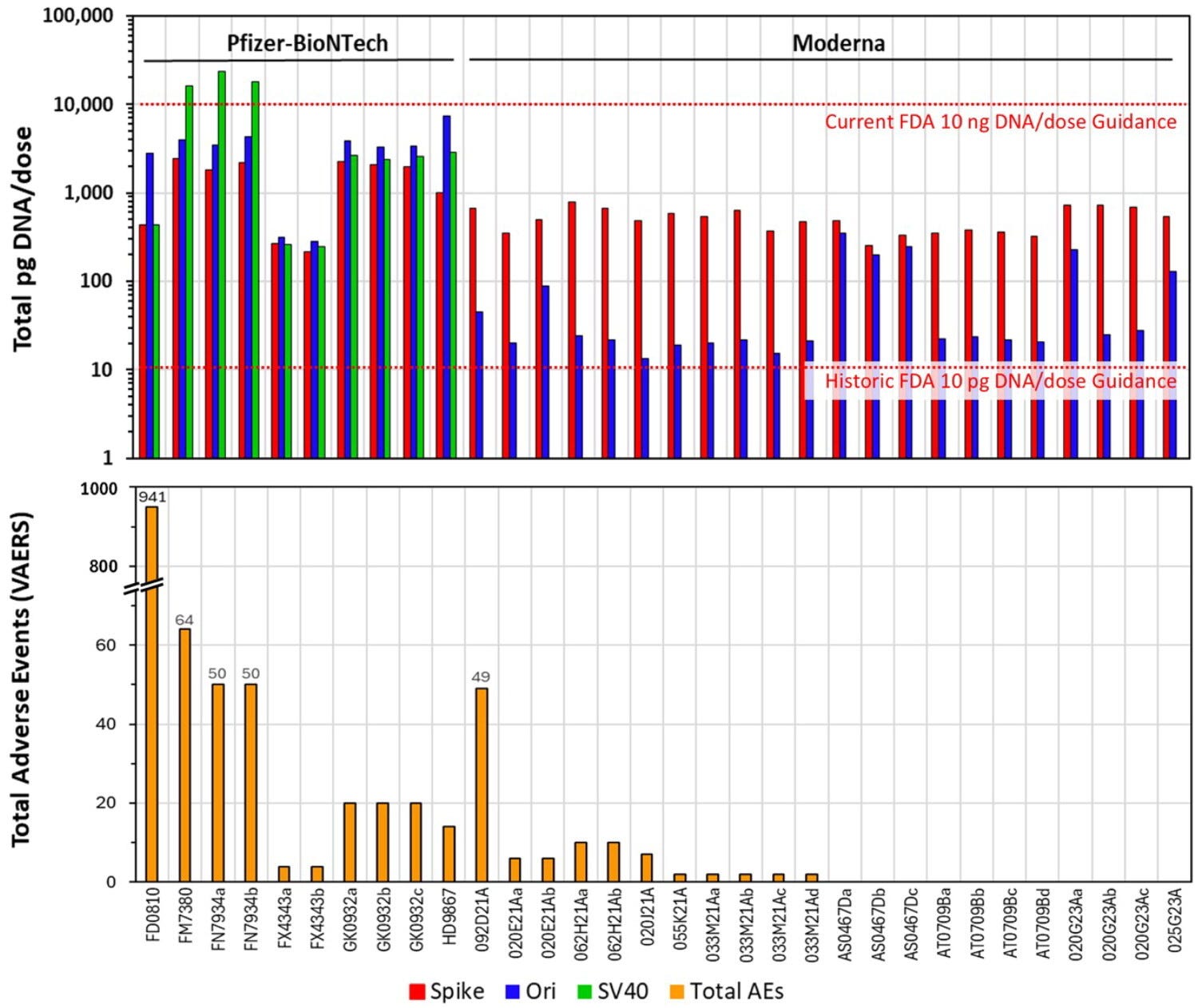
Note: McKernan’s sequencing found fragments up to 3.5 kb in length.1 (which is many times the size of the SV40 promoter-enhancer region), and the same testing established that this DNA sits inside the lipid nanoparticles, which shields it from the enzymes that would otherwise break down loose DNA in the body.1 Furthermore, the plasmid contamination he detected was corroborated by many other labs.1
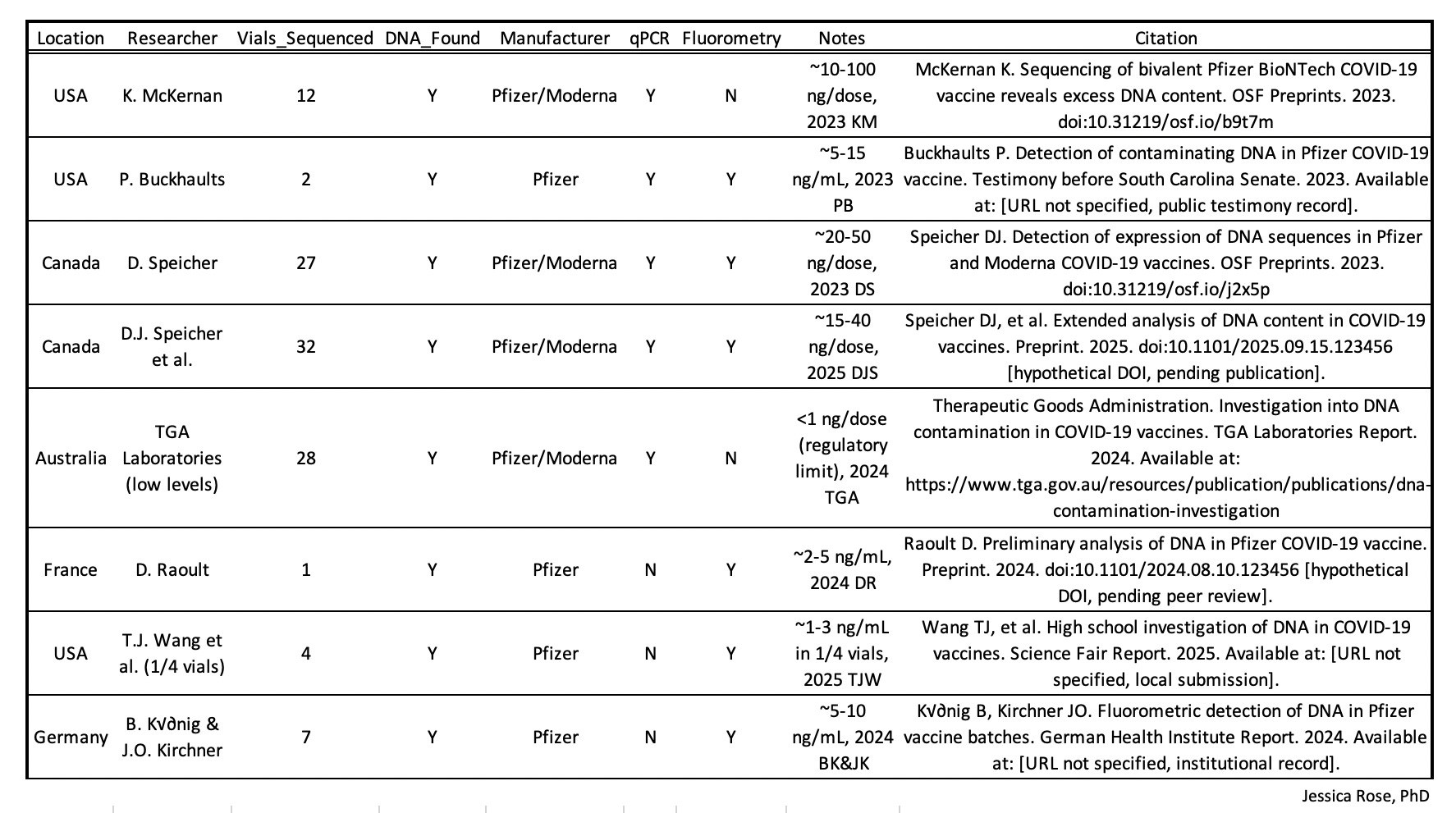
The presence of the SV40 promoter understandably drew significant concern—due to the virus this sequence comes from being strongly associated with cancer and potential cancer triggering effects being associated with the sequence,1,2,3,4 along with the vaccine plasmids being discovered in unusual aggressive cancers,1 and reports that raise the possibility vaccine plasmids integrated into the DNA of cancers.1,2,3
Note: in 2004, Australia's TGA commissioned a review of the health consequences of SV40 contamination of the polio vaccines, which dismissed the cancer concerns by arguing that the SV40 sequences being detected in human tumors were most likely laboratory contamination, as many of the reported positives carried a deletion mutation found in experimental plasmids but not in the infectious virus. At the time this was a reasonable explanation, since there was no other conceivable source of those plasmids. It is not reasonable now, as the same logic dictates that a population injected with plasmids containing those sequences is a route by which they can reach human tissue.1,2
Giving the benefit of the doubt to the industry, its presence was due to:
The SV40 virus’s enhancer being established as a potent way to bring foreign DNA into the nucleus of many different mammalian cells and have the cells then turn that DNA into mRNA (which then created the intended protein). As a 1999 paper on the subject put it, the nuclear envelope is a major barrier to the uptake of plasmids and one of the most significant unsolved problems in non-viral gene delivery—and while various fragments of the SV40 region support nuclear import to some degree, it is the “72-bp repeats of the SV40 enhancer” which facilitate maximal transport.1
The SV40 enhancer being combined with a specific antibiotic-resistance gene, so that it could be ascertained if mammalian (e.g., human) cells were taking up lab-altered plasmids (as they became resistant to lethal antibiotic concentrations).
This package often being bundled with the sequences needed to grow and select the same plasmid in bacteria, so that the same construct could be used for both mammalian and bacterial cell experiments without the cost of having to switch between the two (and hence is frequently used in biomedical research)
BioNTech choosing to use this dual package (which already contained the SV40 part) as the backbone for creating the plasmids used to make their vaccine (despite not having any need for the SV40 part) because they already had easy access to the (well-established) dual package and wanted to use something as quickly as possible to scale up COVID-19 mRNA vaccine production rather than take the time to create a new backbone (much in the same way they did not take more robust measures to ensure residual DNA was consistently removed from the mRNA vaccines).
As such, while this is a bit jaw dropping, when I learned about it, I simply interpreted it as yet another example of speed and efficacy being prioritized over safety. Notably, Moderna’s vaccine plasmids did not contain SV401 (as they instead chose to use a backbone without it), which again illustrates that there was no real justification for Pfizer’s decision to keep it there.
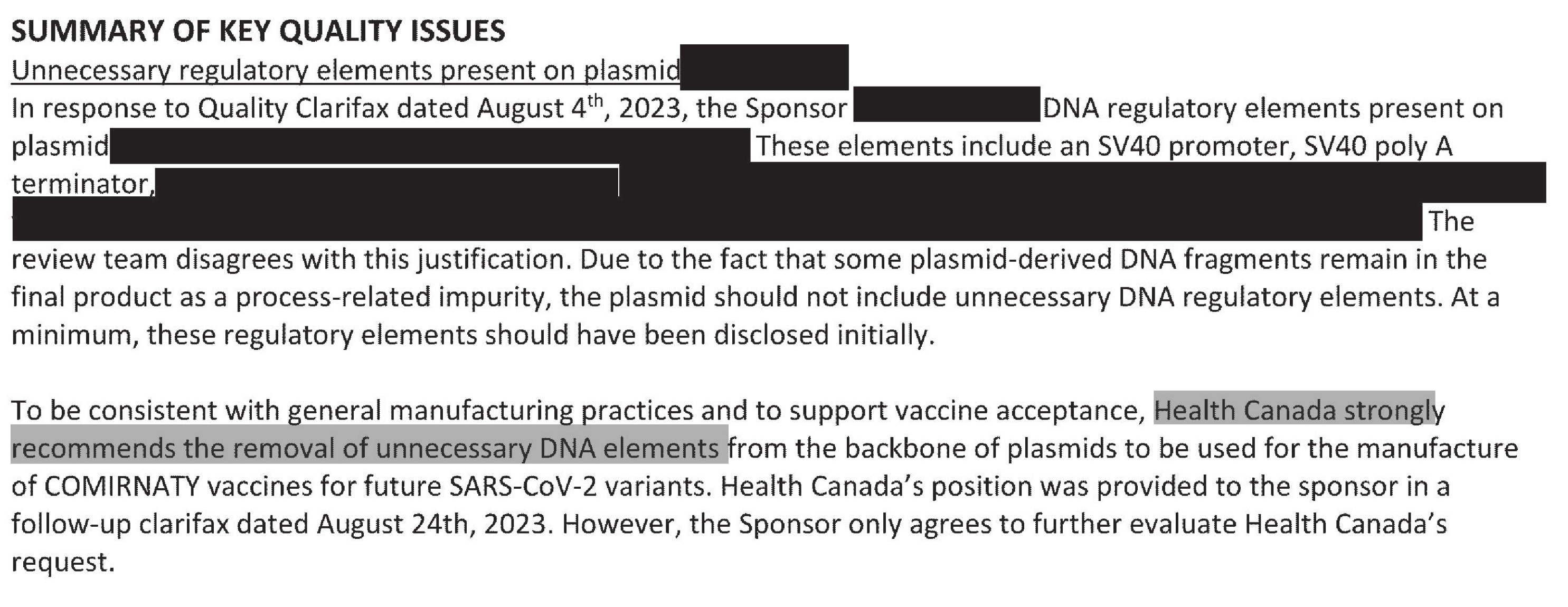
Furthermore, later FOIAs revealed that five months after McKernan revealed the undisclosed plasmid contamination, Canada’s Health Agency deemed it inappropriate for the SV40 sequences to be included in the plasmids used to manufacture the vaccine and requested for them to be removed—a request Pfizer disregarded (and received no sanctions for).
Mysteries of the COVID Vaccines
After the COVID vaccines came out, a variety of odd things were observed that were hard to make sense of, and I spent a while investigating them. Some of these I felt were ultimately false (e.g., many of the alarming things individuals saw in the vaccines under the microscope were actually normal findings). Others I ultimately did not know what to make of (e.g., after many people online said the vaccines made them magnetic, I was able to find and evaluate one person who claimed this and noticed that his body appeared to magnetize paramagnetic metals until they became magnetic, I found a Luxermbourg study , where 29/30 vaccinated [with both mRNA and non-mRNA COVID vaccines] were magnetic while 0/30 unvaccinated were, but then also found a larger study James Thorp MD conducted which found about 60% of both vaccinated and unvaccinated individuals were magnetic, leading Thorp to conclude that humans have some degree of natural magnetism which had nothing to do with vaccination).
However, there were also a few inexplicable observations I became increasingly convinced of as time went on.
COVID Vaccine Persistence
When the COVID vaccines were originally pushed to the public, public health officials and the media promised a variety of things that were not supported by existing data (e.g., that the COVID vaccines would stop disease transmission).
Note: a common tell for a con is if legitimate objections are addressed with rhetoric rather than data—a pattern we saw through COVID-19.
As such, while reading through the Pfizer EMA leaks, I was very curious to see what was being said in private about the three largest safety concerns about the vaccine (autoimmunity, fertility issues and cancer). To my initial surprise, this is all that was discussed throughout the documents:
Genotoxicity: No genotoxicity has been provided. The components of the vaccine formulation are lipids and RNA that are not expected to have genotoxic potential. That being said, the novel lipids possess an acetamide moiety which is classified as possible human carcinogen (IARC Group 2B) with debated genotoxic mechanism, which should be discussed further (OC).
Vaccination with modRNA is expected to induce robust neutralising antibodies and a concomitant T cell response to achieve protective immunity. Nevertheless, no further discussion was provided regarding the risk of autoimmune responses induced by the modRNA. The Applicant is invited to further discuss the possibility that the mRNA vaccine can trigger potential autoimmune responses and how do it plan to possibly evaluate their occurrence
Given that these issues—especially genetic damage from an experimental gene therapy—were the largest concerns with the vaccines and hence most likely would have been tested, I formed the hypothesis (in December 2020) that internal testing had shown there were serious issues with all three, and Pfizer had concluded their best option was to pretend to have never tested it so they could claim plausible deniability once the issues were later discovered (or to sweep the independent evidence of it happening under the rug).
As the vaccines began to enter the market, I then began noticing countless media outlets state that the vaccines could not change your DNA and that anyone who thought so lacked a basic understanding of science. However, rather than provide evidence, they always referred back to “experts” like Paul Offit and Anthony Fauci who stated:1,2
1. The vaccines cannot enter the nucleus of the cell
2. mRNA from the vaccines breaks down rapidly in the cell, so it does not have time to enter the nucleus and change your DNA.
3. mRNA is not DNA, and hence believing it can change DNA represents a fundamental lack of knowledge of biology.
Note: beyond the subsequently discovered SV40 plasmids, there were numerous other issues with these arguments such as the mRNA being deliberately modified to persist in the cytoplasm, and already published studies contradicting their statements (e.g., an August 2021 paper showing vaccine spike protein concentrated in the nucleus, a May 2021 study showing endogenous LINE-1 retrotranscriptases were integrating COVID-19 RNA into human DNA and a February 2022 cell study showing the Pfizer vaccine's mRNA was reverse transcribed into DNA inside human liver cancer cells within six hours, likely via the LINE-1 mechanism).
Beyond potentially causing cancer, one of the main reasons so many people were concerned about vaccine DNA integration was because this meant that the your body would perpetually produce the vaccine spike protein (rather than the process stopping once the mRNA broke down). In turn, we came across numerous clinical datasets suggesting this was happening such as:
•Autopsy studies showing the tissue (of people who had died unexpectedly up to six months after vaccination) was flooded with spike protein.
•Spike protein antibody bloodwork (in vaccinated individuals) studies showing elevated spike protein levels for months if not years after vaccination (the levels of which often roughly correlated with their clinical status) along with vaccine injured patients who clinically responded to spike protein binders months if not years after vaccination (who then often regressed if the binders were not continued, suggesting they were still being produced in the body).
Note: the only commercially available test (offered by Quest) measures existing antibodies to the spike protein receptor binding domain, and provides values anywhere from 0-25,000 (or higher than 25,000). Clinically, we’ve seen that long COVID patients rarely get levels above 4,000, whereas in those with vaccine injuries, it can be anywhere from 0-25,000 with many being over 25,000. In turn, a rough (but not precise) correlation exists between the antibody levels (which do not directly measure spike protein levels) and a patient’s illness (along with its levels improving or worsening generally correlating to a patient’s symptoms improving or worsening). Curiously, many patients do not have their antibody levels decline with time (which is what you typically see after a COVID infection), which again suggests spike protein is being produced within the body that then stimulates an immune response. Conversely however, some of these cases may instead have been from people who had antibody levels far above 25,000 who then had their antibody levels decline (but this cannot be detected as they are still above the 25,000 cut off). Additionally, these observations have been corroborated by others (e.g., Alex Berenson has also shared reports of vaccinated individuals who’ve had spike protein antibody levels over 25,000 for months after vaccination).
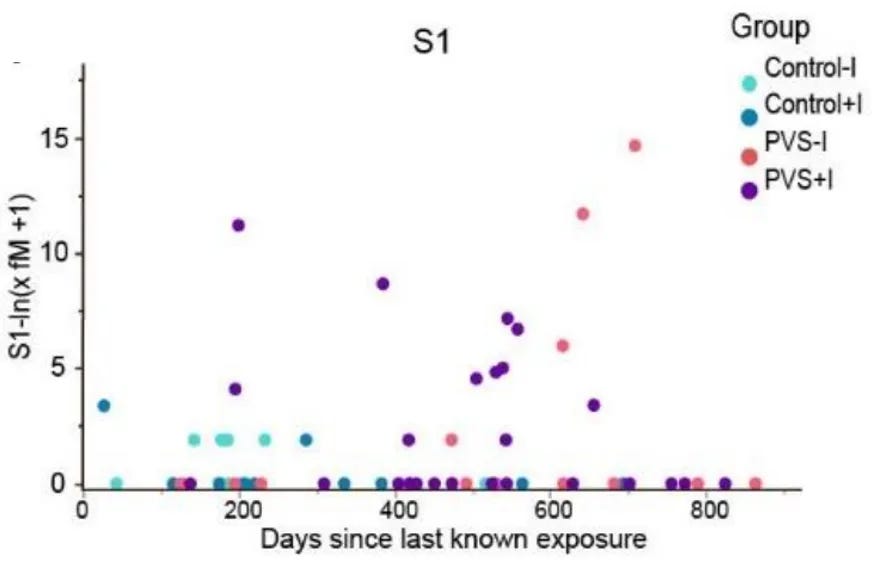
•When the spike protein could be directly measured (which requires specialized tests still not available to the public), long term persistence was observed. Currently, the longest dataset (Yale’s LISTEN study), showed it had persisted for over a year, with the longest case reaching 709 days of spike persistence at the time the study was finished (which sadly has remained a pre-print because no journal will publish anything critical of the vaccine program).
Because of this, a few schools of thought emerged on what was causing this persistence. These were:
•Genomic integration was happening (and hence that the nucleus was continually producing small amounts of vaccine mRNA).
•Rather than being due to a genomic integration (which would be rare enough it was unlikely to account for most of what was being seen) the persistence was due to the vaccine mRNA not breaking down and hence continually producing spike protein.
Note: the people I spoke to who I considered to be the most knowledgeable about mRNA technology tended to favor this explanation (as they felt it was by far the most probable).
•The actual issue is not continual cellular spike protein production, but rather a permanent dysregulation of the immune system (which can frequently happen after an autoimmune provoking stimulus). Numerous clinicians I know treating COVID vaccine injuries have gradually come around to this perspective (while others generally agree with it but feel a subset of vaccine injured people are still producing spike protein—mirroring the observations of Yale’s study).
Note: some have also postulated the “persistence” may have resulted from the gut microbiome (e.g., endogenous E. coli) being transfected by vaccine plasmids and then producing spike protein which travels into the body. That said, to the best of my knowledge, no one has ever tested if this is occurring. However, Pierre Kory spoke with researchers in Italy and Germany who developed a way to test for spike protein in the stools and urine and found that most people they tested (vaccinated or unvaccinated) had fragments in both which appeared to come from gut bacteria being transfected by the COVID virus (as it matched the virus rather than vaccine spike, and had bacterial modifications). Assuming this is true (and the data was collected and interpreted correctly), it indicates that there is widespread spike protein exposure in the population. This, in turn, argues that we are “in a post-spike world” and that the most prudent thing to do is to focus on is increasing your resilience to it, or in the cases of individuals who are sensitive to it (e.g., those affected by shedding), to figure out why—which I believe is likely due to their body’s not being able to effectively form neutralizing antibodies to it (as a 2023 study found this was the differentiating factor between adolescents who developed myocarditis after vaccination and those who did not).
Each of these explanations is compelling, and likely partially true. However, as I recently realized, there is actually a much simpler explanation for what is happening.
Vaccine Shedding
If a vaccine produces its antigens by replicating within the body, that vaccine has the ability to “shed” to others, as a tiny portion of it that reaches someone else can then reproduce into a much larger amount within the other person, thereby producing enough of an antigen there to also provide them with immunity. This, in turn, is viewed as one of the classic risks from using live viral vaccines (e.g., this is well recognized with the polio vaccine and a case can be made it is the source of many measles outbreaks) but simultaneously, by definition, is categorically assumed to not occur from any other vaccine type (with the exception of live bacterial ones—where it is much less of an issue than with viral ones).
Note: there has been some other work into self-spreading vaccines (primarily for wildlife but also theoretically for humans), but despite some pushing for it (so vaccination can reach difficult to un-vaccinate populations), there has thus far been a general restraint on using this technology.
Once the COVID vaccines came out, I began to hear numerous reports of individuals who had made a point not to vaccinate then becoming ill after being around someone who was vaccinated (particularly if they had recently been vaccinated or there was prolonged close contact with them) and I quickly noticed there was a clear and recognizable pattern to the symptoms experienced (e.g., menstrual abnormalities were one of the most common patterns, to the point quite a few of my post-menopausal friends began experiencing immediate and significant bleeding).
Since the COVID vaccines, by definition, could not shed, each time this point was raised, it was gleefully debunked much in the same way Fauci and Offit explained that it was impossible for the COVID vaccines to change your DNA. Given this, I felt it was essentially a lost cause to ever expect it to be investigated, so (with Pierre Kory’s help), I collected a lot of provider data that had accumulated on this phenomena, put out a call for readers to share shedding experiences (collecting over 2,000 of them), and searched the literature for everything known about this phenomenon.
Note: I ultimately received significantly more than 2,000 reports, but eventually stopped compiling them because they repeated the data seen in the earlier reports and our time to do projects like this is finite (currently that time is allocated to collecting reader DMSO testimonials at that point—of which 7,600 have been collected).
From this whole project (which can be read here), it then became evident that clear and reproducible events could be seen with:
•Who was affected by shedding.
•What situations triggered shedding symptoms (including that while rarer, “secondary shedding”—where someone exposed to a shedder then “shed” onto someone else and made them ill—did occur).
•What governed the severity of the symptoms experienced.
•How the symptoms could be prevented and mitigated.
•What symptoms were experienced—which resembled but had clear differences from COVID-19, long COVID or vaccine injuries.
Note: the most frequently reported shedding symptoms (in rough order of frequency) were abnormal menstrual bleeding (which far outnumbered everything else), headaches, rashes, flu-like illnesses, tinnitus, fatigue, dizziness, nosebleeds, unexplained bruising, shingles, a distinct odor around the vaccinated, palpitations, coughs, sinus congestion, muscle pain, gastrointestinal issues, and brain fog. Many others (e.g., swollen lymph nodes, hair loss, neuropathy, chest pain, and viral reactivations) were reported less often but still recurred throughout the reports. A few of these (e.g., nosebleeds) were unique to shedding injuries but not seen from other spike protein injuries. Additionally, many noticed “shedders” had a characteristic odor (and less frequently, a characteristic taste or feel), and a 2023 study a found that COVID vaccination produces a distinct exhaled VOC signature that can distinguish vaccine recipients from unvaccinated controls with high accuracy (as did a 2025 one which found the sweat VOC profile shifted after vaccination), providing a plausible chemical basis for the frequently reported odor around “shedders.”
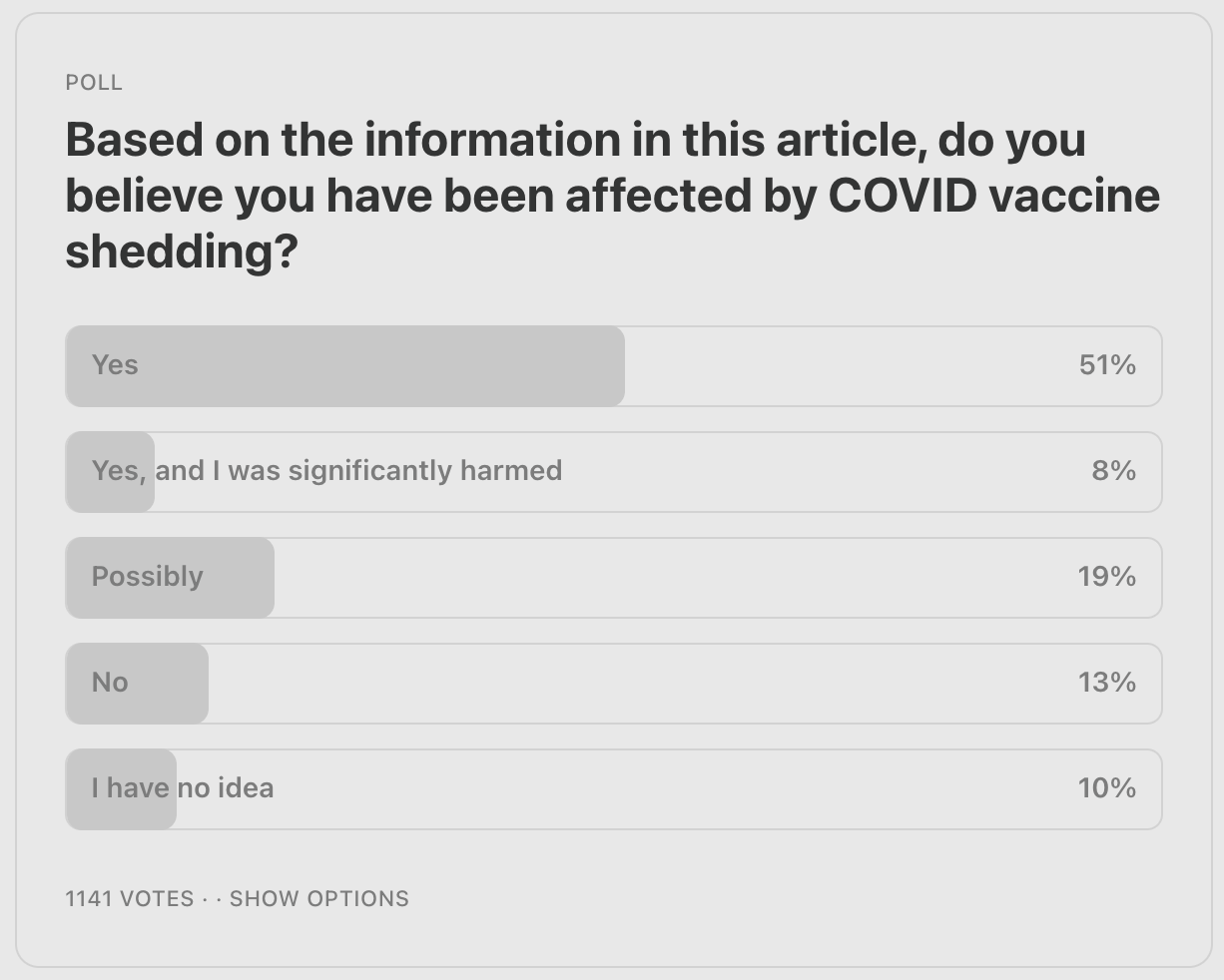
It’s also worth noting that the shedding experiences were quite common. For example, after I described (in detail) everything which was known about shedding, readers here shared:
Since medical phenomena are almost never accepted without a mechanistic basis (and mRNA shedding was “mechanistically impossible”) I hence spent a long time looking for every possible mechanism, and from the many potential candidates I identified (each of which a case could be made for), I identified three I felt were the most probable to be true.
1. Exosome mediated shedding: Since the mRNA vaccines worked by causing the cells to produce massive amounts of spike protein that eventually came out on their surface, parts of the expanded cell membrane eventually blebbed off, causing exosomes (vesicles made from cell membranes) to be released which were studded with spike proteins that could then be exhaled or sweated out from the body and trigger reactions in others. Supporting this (in addition to it fitting numerous reports we received):
•COVID-19 infections were repeatedly shown to alter the exosome system,1,2,3,4,5,6,7,8 long COVID (and more severe acute COVID) is characterized by the presence of spike protein studded exosomes,1,2 (which have been found circulating a year after infection1) and at the start of the pandemic, it was discovered that using therapeutic (healthy) exosomes produced dramatic results from severe COVID-191,2,3 (something I and many colleagues also observed)—all of which led me to believe the spike protein “poisons” the exosome system.
Note: the spike protein has a high (heparin dependent) affinity for binding to the surface of exosomes. So, if it was not already there when the exosome initially formed, it can also attach to exosomes traveling in the bloodstream.
•One study showed the COVID vaccine’s spike proteins also altered the exosome system.
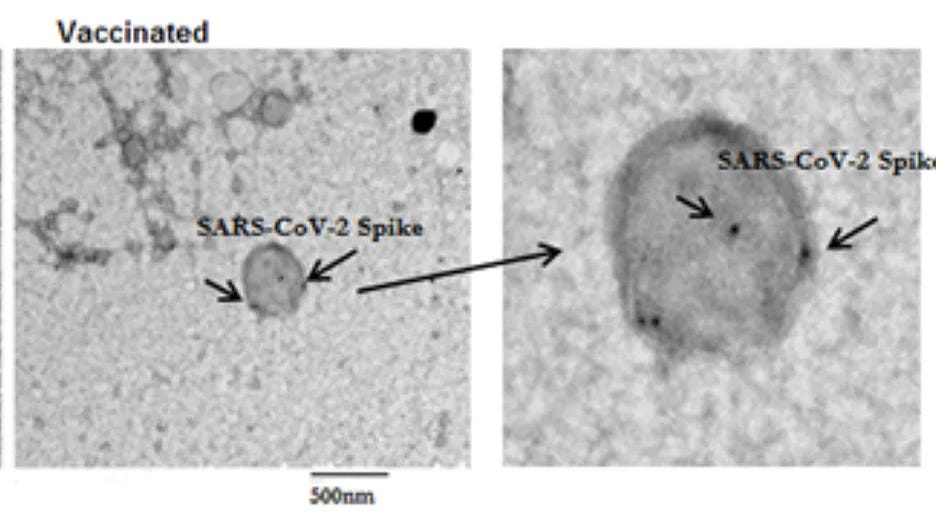
Note: a later case report detailed a man suffering from a significant COVID vaccine injury where spike protein coated exosomes were detected 1173 days post vaccination and vaccine mRNA containing exosomes were detected 1284 days post vaccination.1
•A 2023 peer-reviewed study found that unvaccinated children who were around COVID-19 vaccinated parents developed an immune response to the spike protein that was not seen in children with unvaccinated parents and spike protein antibodies were found in surgical masks worn by the physicians. This led the authors to hypothesize that antibodies were being directly transferred through the parent’s breath to their children.
•Significant amounts of (RNA containing) exosomes can be found in your breath, and like exosomes from other tissues in the body, lung derived exosomes vary depending on the disease state of the lungs (“sicker” people have “worse” exosomes).1,2,3 Exosomes from COVID patients, in turn, are highly inflammatory,1,2 potentially clot forming1 and are taken up by the lung cells.1
Note: where the vaccine ends up in the body is highly dependent upon the charge of the lipid nanoparticles (essentially if they are negatively charged, they match the biodistribution data Pfizer provided, whereas if positively charged they go to the lungs—detailed here). As there was a significant subset of COVID-19 vaccine injured patients who developed lung issues, and a subset of recipients who were the primary "shedders," I suspect this was due to the wide variability in COVID vaccine production causing some to receive positively charged lipid nanoparticles which ended up at the lungs.
•Since spike coated exosomes trigger an immune response to the spike protein,1 an inhaled vaccine was made from lung derived exosomes coated with spike proteins1 (they were lung derived so the lung cells would be more likely to absorb them). These spike protein exosomes both generated an immune response and were absorbed into the body (and were repeatedly demonstrated, when injected, to effectively immunize at nano-gram levels1,2). Once absorbed, those exosomes travel to other tissues and organs in the body, which (based on all the reports we’ve received and the patients we’ve seen) are known to be affected by shedding. Likewise, a 2021 review paper highlighted the feasibility of this approach and that numerous companies were developing exosome based COVID vaccines which contained either COVID-19 antigens (e.g., spike protein) or mRNA to create them.
Note: exosomes are very similar to the lipid nanoparticles used to deliver the mRNA vaccines (in fact, two studies detected vaccine mRNA within the breast milk exosomes of recently vaccinated mothers1,2—potentially explaining the shedding reactions breast feeding infants developed), but to the best of my knowledge, their presence was never assessed in the breath of vaccine recipients. That said, I am doubtful they were the primary source of exhaled (or sweated) shedding because so little of the vaccine was given that it is unlikely enough would be available to be continually exhaled to a meaningful level.
2. Bacterial Transmission—if bacteria are transfected with the COVID-19 vaccine plasmids (and then reproduce), they will express the COVID-19 protein (and potentially be able to alter bacteria they come in contact with so that they too do the same)—a process which has been shown to occur in the gut with other plasmids.1 This, in turn, provides a way that the COVID vaccine could behave like a traditional “live viral” or “live bacterial” vaccine that sheds. However, while this fits some of the observations reported, it has never been directly assessed (the closest was that vaccination caused a 41-73% decrease in one of the most beneficial gut bacteria species1,2 — which potentially could have been caused by spike protein appearing on other bacteria). As such, I feel it’s worth raising the hypothesis (and have reached out to researchers who could evaluate this), but it remains a complete unknown. Notably however, one (oral) COVID vaccine was created which engineered E. coli bacteria with plasmids to either have spike protein on their surface (thereby creating both blood and mucosal immunity). Additionally, another was made which caused the bacteria to produce nanobodies (tiny antibodies that bind a single domain) against the spike protein which were expelled from the bacteria within exosome like vesicles that then traveled through the gut lining to the lungs and brain.1,2
3. SARS-CoV-2 Shedding — In a significant number of the reports I looked at, after being exposed to an (asymptomatic) shedder, the individual (and often multiple other unvaccinated members of the group) became ill with one or more of the following:
COVID-19, a COVID-like illness, a flu which may have been COVID, a severe COVID infection that hospitalized and sometimes killed them.
Yet in contrast, before the vaccine rollout, they never had this issue (e.g., normally they never got sick, even around those they knew got COVID). This in turn means either that a remarkable coincidence keeps on happening, or that the vaccine increases your risk of transmitting COVID-19.
As it so happens, there are a few things that argue for the latter such as:
•The design of the vaccine does not create mucosal IgA immunity. This means it does not prevent COVID-19 from colonizing the respiratory tract and hence makes one still able to spread COVID-19. Rather, the vaccine’s design primarily reduces reactivity to the spike protein (i.e., COVID-19 symptoms). As such, vaccinated individuals can be infected with COVID-19 but not show symptoms of infection (which is also a major issue with the pertussis vaccine many are erroneously forced to take to see their grandchildren).
•The vaccine is immune suppressing. On one hand, this causes individuals who have a latent COVID infection to either start shedding the infection or become severely ill (which as I show here is a common but forgotten problem with vaccines). On the other hand, it causes individuals who have been vaccinated to be unable to develop permanent immunity and, hence, continually catch it.
Note: I have received numerous reports of vaccination causing an existing minor COVID infection to become life threatening,
In short, for some reason, individuals who do not get COVID will come down with it in the presence of a shedder, and in my assessment, this happens frequently enough for it not to be a simple coincidence.
Based on all of this, the possibility exists that vaccinated individuals with COVID infections either excrete higher concentrations of the spike protein than those with natural immunity, or have chronic infections they never clear (but show minimal symptoms of—leading to many being exposed to them). However, the existing data on the length of infectiousness and viral counts in the noses of those infected with COVID-19 (which may be biased) shows minimal differences between the vaccinated and unvaccinated. As such, while it seems that vaccination causes certain individuals to give others COVID, to the best of my knowledge data does not exist to support that claim and there may be some other process concurrently occurring which makes those around a shedder more susceptible to catching COVID-19 from them.
As you might guess, of these three models, I believe the strongest case exists for the first (exosome mediated transmission).
Note: Kevin McKernan stated that he was initially (and understandably) skeptical of the shedding phenomenon because he felt there could not be a high enough exhaled dosage for it to affect those who breathed it in (where I regularly encounter people who are that sensitive microdoses of a potent agent will still affect them). In turn, he shared that what changed his opinion was the potential presence of plasmids in exosomes, as these could serve as a self-replicating vector that allowed a small amount to noticeably affect those exposed to it.
DNA Vaccines
Since there is an irrational faith in vaccines, new designs are always being explored regardless of how unwise they are. Despite knowing this, I was quite surprised to learn “DNA vaccines” (which use synthetic DNA to create mRNA which creates the antigen cells then expel) existed, as this both seems to be a terrible idea, and directly contradicts all the messaging the vaccine industry has given that vaccines cannot change your genome.
Following this, I was then curious as to exactly how this technology worked (and once I found out, when it was developed). Briefly:
Plasmids are created from a standard industry backbone (which contains a sequence that transports DNA into the mammalian nucleus) along with the DNA sequence that will become the target antigen.
E. coli are transfected with that plasmid, the bacteria which took it up are bred, and the plasmids are then separated from the bacteria to become the vaccine product.
The plasmids are injected into the body (typically with a jet injector or electroporation to force them into cells, but successful designs such as the first one brought to market simply injected the plasmid into muscle).1
Once inside a cell, the plasmid either enters the nucleus on its own (particularly when the cell divides and the nucleus is more porous), or the plasmid has a transport sequence that brings it into the nucleus regardless of which phase of the cell cycle it is in—where the cell’s own machinery turns it into vaccine mRNA (and from there into the antigen).1,2,3
This technology has been worked on for about 30 years1 and there is now a human COVID-19 DNA vaccine1 (licensed in India) along with several veterinary ones.1,2 All of the licensed products use a CMV promoter (which was also used to produce J&J and AstraZeneca's adenovirus vector COVID vaccines)—however, the 72 bp SV40 enhancer has been added to many experimental DNA-vaccine plasmids both because it helps get the plasmid DNA into the nucleus and because it can also boost transcription once it is there.1,2
Once I realized this, it cast two of the questions I’d pondered since the start in a completely different light.
First, it provides a completely different answer to the persistence problem, as if plasmids are being transported into the nucleus and then being transcribed to mRNA once there (but remaining separate from human DNA), this provides a much more feasible way for extensive production of the mRNA to occur, as it is effectively “in your DNA” but at the same time, does not have to meet the high threshold of integrating into the genome for this to happen (which is why many I spoke to had believed DNA changes could not account for the majority of the spike persistence being seen). More importantly, this is not merely theoretical, as delivering plasmid DNA into the nucleus is a licensed and working vaccine strategy,1 and it was made to work with far cruder tools than the COVID vaccines had available, since those products rely on a CMV promoter and physical force rather than the two elements which most efficiently solve this problem (the SV40 enhancer—which the DNA vaccine literature identifies as the sequence producing maximal transport of plasmid DNA into the nucleus,1,2 and lipid nanoparticles).
Second, while I still believe every bad choice made with the mRNA vaccines could be attributed to pursuing profit with a complete lack of concern for how others were harmed, it’s hard not to notice the chosen designs coincidentally mirrored existing vaccine designs (or that Pfizer refused to change them even when health regulators pushed them to and Moderna was using a SV40 free plasmid). Given that the chosen approaches were well-established vaccine production techniques, I feel it is reasonable to infer they were most likely aware of the expected effects of utilizing them. This is important as those “expected effects” dovetail with the core goals of a vaccination program.
Since the faith of vaccination revolves around provoking the body to produce a targeted immune response (e.g., antibodies), and since the profession has long sought to validate itself by eliminating infectious disease and claiming victory over nature, vaccine programs will inevitably err towards overstimulating that response to ensure as few people as possible have an insufficient one — which in turn requires ignoring or dismissing the consequences of that excessive stimulation, rather than trading a partial reduction in efficacy for a significant improvement in safety. The regulatory pathways are set up to support this, as the primary basis for approval is typically a consistently robust antibody response rather than a demonstration of safety.
Note: I believe a major issue with the HPV vaccine came from the fact its antigen had many overlaps with human tissue (which the immune system resisted forming an immune response to it), so a much stronger immune provoking adjuvant and massive antigen doses were needed for the vaccine to work (e.g., Gardasil 9 contains 270 micrograms of antigen whereas the recombinant hepatitis B vaccine contains only 20 micrograms1,2). This resulted in the scale being heavily tipped to efficacy (rather than safety), and as a result, the HPV vaccine had an extraordinarily high rate of causing autoimmune disorders.
In this regard, one of the challenges vaccines face is that while natural immunity lasts for a long time (e.g., it is often lifelong), the body will typically “resist” the effects of a vaccine’s artificial stimulation of select parts of the immune system, so over time, vaccine derived immunity fades away (with the rate varying greatly depending on the vaccine). Boosters, in turn, are given either because the original vaccine derived immunity faded, or because the pathogen has mutated to a strain no longer covered by the vaccine (resulting in the immune system being “locked onto” the incorrect strain).
For this reason, one of the longstanding goals of the vaccine industry has been to effectively mimic what occurs in nature (a continual low level boosting of the population from individuals they encounter with minor infections).
One way to do this is to ensure the vaccine continually triggers a lighter immune response long after injection—which both the persistent mRNA and nuclear plasmids (which produce mRNA) accomplish by ensuring a steady supply of spike protein is produced after vaccination. This was recently explicitly illustrated by Japan’s next generation “replicon” COVID vaccine (approved in 2023 and deployed in October 2024), as it is designed to extend antigen production, so in addition to the mRNA coding for the spike protein, it contains mRNA coding for an enzyme which copies that mRNA, so that it is continually replicated as it is broken down and hence retained in the body far longer.1 Its manufacturer’s selling point, in turn, is that the effect lasts, and in their Japanese trial, the antibody titer six months after the replicon vaccine was higher than the titer one month after Pfizer’s, with high titers still present at one year.1 Yet their own pharmacokinetic data showed the mRNA was largely gone from the muscle within 15-30 days and the spike protein undetectable by day 15—leaving their head of R&D to admit the mechanism behind a year of elevated antibodies is not actually understood1 (with a Japanese vaccine expert separately noting that the long term safety of this vaccine—which had already been given to 18,000 people was not yet possible to know1).
In short, the same industry which insisted the original mRNA vaccines could not persist (despite the fact they do) has now built a product around making them persist, still cannot explain what its own product is doing, and has responded to the Japanese clinicians and nursing organizations raising these questions by threatening them with civil and criminal legal action.1,2
This is a critically important point as the entire justification for a continually produced antigen assumes doing so is both safe and effective (when in reality, the antigens often have a cumulative toxicity, while simultaneously, it has been repeatedly shown that overstimulating the immune system to focus on one antigen reduces its ability to respond to other threats it encounters—which is why vaccines like the COVID shot have been repeatedly shown to increase one’s subsequent risk of catching disease). As such, a real possibility exists that the chronic illnesses seen after vaccine injuries persist because vaccine antigen production persists as well.
Note: Arkmedic (an excellent researcher) recently made the case that the COVID vaccines were not the first to be designed to get foreign DNA into cells.1 Since every recombinant vaccine is manufactured with plasmids and residual plasmid DNA survives into the final product, what matters is whether anything in the vial can carry that DNA across the cell membrane — and aluminium, the most widely used adjuvant in vaccines, turns out to be exactly that (as do other widely used vaccine components). A 2007 paper from ETH Zurich found aluminium nanoparticles transfected human cells more efficiently than any other metal oxide tested, and were the only ones to do so at calcium concentrations approaching those found in the body.1 This is not merely theoretical: in 2012, HPV DNA was found bound to the particulate aluminium adjuvant in Gardasil,1 and the FDA has acknowledged the presence of residual DNA fragments in that vaccine since 2011 while maintaining they pose no safety risk.1 Notably, Gardasil's competitor Cervarix uses a comparable aluminium-lipid adjuvant,¹ so this is not a quirk of one manufacturer's formulation.1 The only study the industry has ever offered against this was a three-page 1999 communication co-authored by the Swiss vaccine regulator, which reported zero transfection from nine commercial vaccines — using a cell line with two publications in the entire PubMed database and no control to establish the assay could detect anything at all.1 That said, some of this may simply be convergent chemistry, as a good transfection agent is a positively charged or amphiphilic particle which binds nucleic acid and disrupts membranes, while a good adjuvant is often a positively charged or amphiphilic particle which concentrates antigen and disrupts membranes so the innate immune sensors fire. If so, the situation is arguably worse rather than better, as it would mean the risk is inherent to adjuvanted recombinant vaccines rather than an avoidable formulation choice—and it still leaves the question of why it is disclosed nowhere
Another is to ensure the vaccine is able to spread in the population, both supplying a continual source of external boosting to those who already got the vaccine and to ensure those who did not vaccinate still are protected. The shedding observed with the COVID vaccines (and the 2023 study showing a transfer of COVID immunity) demonstrates this was indeed happening, and the fact that the strongest evidence exists for it being mediated through exhaled (or sweated) exosomes—which, like DNA plasmid transfection, was already an established vaccine technology—suggests this may have been an intentional feature of the mRNA vaccines rather than an accident (particularly since it is a given overproducing an antigen within a cell will cause the release of exosomes containing the antigen).
Note: the more speculative mechanism I touched upon (self-spreading plasmid transfection of bacteria), could have supported either goal (e.g., by having the gut microbiome produce spike, a continual internal production of it will repeatedly boost the recipient, while by having those bacteria travel to others—something which routinely occurs with the human microbiome—it would be possible for the vaccinated individual to stimulate the immune system of others). However, I must emphasize that this is a much more theoretical possibility as the research needed to critically assess it has never been done (at least publicly).
That said, everything I have described here is simply my best guess to make sense of all the inexplicable things we have observed the COVID vaccines do and it is quite possible some of the inferences I made here from the existing data (e.g., the exact mechanisms or motives at play) are entirely incorrect. What’s so frustrating is that none of it needs to be guessed at as each of the scientific points I’ve raised could be assessed with currently existing technology—but they likely never will be because too many parties have too much to lose if the wrong answer is arrived at. As such, I don't know the correct way to proceed, but I nonetheless feel real attention needs to be brought to these issues, as otherwise, the industry will continue hurtling forward with “safe” genetic technologies that have a wide range of known and unknown risks—that before long, we will be stuck with.
Mitigating The Disaster
A common metaphor used to describe how the predatory ruling class enacts their agenda is the boiling frog analogy (where a frog placed in hot water will jump out, but one placed in water that is slowly heated will stay in until it dies).
Note: this is actually an urban legend, as frogs will still leave if the temperature is raised slowly (something which unfortunately led to many cruel experiments that only “worked” when the frogs were unable to escape or had been surgically disabled). However, while the analogy does not hold for frogs, it does appear to hold for us, as again and again, changes which would have been fiercely resisted had they been implemented all at once were instead accepted without much protest once they were introduced gradually enough that no individual step seemed worth objecting to.
My longstanding view with the COVID vaccines, in turn, is that the industry had been counting on exactly that gradual acceptance, as a wide host of issues exist with the mRNA platform (and the DNA vaccines which may follow it) that had been slowly phased in over decades without much notice. What happened instead is that many longstanding agendas all rushed to use the pandemic to bring themselves to fruition at once, and because the antigen chosen to be mass produced by these injections was the spike protein (which is toxic to many different parts of the body), the problems with the platform were common and severe enough that it was no longer possible to sweep them under the rug. For example, had a less reaction provoking antigen been used, it is highly unlikely enough people would have noticed effects like shedding and demanded they be looked into. So, as horrific as the process was, it woke the public up to something being very wrong in the field of vaccinology in a way that another fifty years of incrementalism never would have.
If the Italian and German stool and urine findings hold up, spike protein exposure is now near universal rather than confined to the vaccinated, which means we are in a post-spike world and the relevant question has shifted from how to avoid exposure to how to become resilient to it. For the subset who clearly cannot tolerate it (e.g., those affected by shedding), the question then becomes why—and my best guess is that it comes down to their bodies not being able to effectively form neutralizing antibodies against it, as a 2023 study found this was the differentiating factor between adolescents who developed myocarditis after vaccination and those who did not.
I say “best guess” because that is all anyone can offer. A novel protein was introduced into essentially every human being on earth and is demonstrably capable of causing disease in a subset of them, so spikeopathy should by now be a recognized discipline with its own researchers, diagnostics and literature. Instead, as Kory put it to me, there are a handful of practitioners figuring it out independently while conventional medicine maintains the illness does not exist.
Nonetheless, while the injuries the COVID vaccines created brought long overdue attention to the dangers of this platform, they also created a disaster many of us have been struggling to fix ever since. In the final part of this article (which at reader request I have been working on for a few months), I will go through each of the approaches we have found work for the common subsets of vaccine injuries, how the use of supplements there mirrors the issues we see when they are used for many other conditions, along with some of the less appreciated aspects of the higher-end treatments now coming into vogue (e.g., plasmapheresis) which are necessary for getting the best outcomes from them, and address the questions I am most often asked about shedding (e.g., how do you counteract it, and what has been learned about shedding and sexual intimacy).
