
Story at a Glance:
DMSO is an “umbrella remedy” whose combination of therapeutic properties (improving circulation, reducing inflammation, protecting cells, and reviving dying ones) makes it well suited to treat “incurable” neurological disorders, with particularly dramatic results for spinal conditions.
DMSO is one of the most potent known promoters of microtubule assembly (the structural scaffolding cells require to divide and extend new processes) and drives diverse stem cells to differentiate into neurons, providing a potential explanation for the spinal cord regeneration repeatedly documented throughout this article.
Extensive animal data and remarkable human case reports show DMSO can prevent or reverse paralysis from strokes, traumatic brain injuries and spinal cord injuries when given promptly, and provide significant rehabilitation even for older injuries. Veterinarians have used IV DMSO for decades to get paralyzed animals back on their feet, yet this knowledge has never been translated to human medicine.
DMSO has been extensively used in clinical practice for degenerative spinal conditions (disc herniations, radiculopathies, stenosis, osteochondrosis), with hundreds of readers reporting it transforming chronic back pain, sciatica, neck pain, and post-surgical spinal pain, often after years of failed conventional treatments.
This article will synopsize the extensive data demonstrating DMSO’s efficacy for spinal conditions (approximately 400 studies and 300 pertinent reader testimonials), discoveries we’ve made about neurological diseases over the years, and then concludes with practical guidance on DMSO protocols and complementary approaches that also aid in the treatment of the common neurological and vertebral disorders.
Recently, I summarized approximately 2000 studies and 200 reader reports showing DMSO treats “incurable” CNS neurological diseases (including Parkinson’s, Alzheimer’s, ALS, multiple sclerosis, seizure disorders, psychiatric conditions, and Down syndrome) through its foundational properties: improving all forms of circulation, reducing inflammation, protecting cells from lethal stressors, crossing the blood-brain barrier, and reawakening dormant cells. This article extends that work to the spine, where DMSO’s regenerative properties are perhaps even more dramatic.
Remarkably, veterinarians have been using IV DMSO for spinal and neurological conditions in animals for decades. When a horse goes down and can’t get up from a severe neurological problem, IV DMSO is often standard practice. When a dog is hit by a car and paralyzed, many reports exist of IV DMSO routinely getting them walking again. Multiple veterinarians who contacted me described personally witnessing “miraculous recoveries” in paralyzed animals, and veterinary textbooks from the 1980s already listed IV DMSO protocols for brain and spinal cord injuries. Yet in human medicine, a spinal cord injury patient is told nothing can be done and to prepare for a life of severe disability.
This disconnect inspired Todd, the Air Force veteran with ALS featured in the previous article, to try IV DMSO in the first place. After reading about DMSO’s properties, he asked a veterinarian friend whether she ever used it intravenously on animals. She did: whenever an animal was down with a severe neurological problem and couldn’t get up. “Many times I can get the animal on its feet and start treating it,” she told him. Todd’s response captures the absurdity perfectly: “We’re using that for a severe neurological problem on an animal that can’t get up, but we’re not doing this for humans.”
As I will show, the answer to Todd’s question is not that DMSO doesn’t work in humans. It is that the FDA effectively prevented it from ever being properly tested, and the medical profession never looked at what veterinarians already knew.
Note: the night before I published this article, one DMSO doctor I correspond with shared with me “I just heard from my patient that he had a cow that was found down, completely unconscious with a heartbeat. He called his vet who told him to mix DMSO and saline and infuse it. Within 30 mins, the cow was back up like nothing happened and lived until they sold it off.”
Neural Regeneration
Nervous tissue is notoriously difficult to regenerate: damaged central neurons rarely regrow, and even peripheral nerves heal slowly and incompletely. This is partly because nerve regeneration demands that the cell's internal scaffolding (microtubules) reassemble, new axonal processes extend over long distances, and stem cells mature into functional neurons to replace those that were lost. DMSO promotes each of these processes: it is one of the most potent known promoters of microtubule assembly, it drives diverse stem cells to differentiate into neurons, and it can transiently "reset" cells trapped in dysfunctional structural states (a critical DMSO mechanism that will explored in detail later in the next DMSO article).
In purified tubulin systems, DMSO lowers the critical protein concentration required for their assembly into microtubules 8- to 10-fold (from 9.4 μM to 1.1 μM), primarily by reducing the rate at which tubulin subunits detach from growing ends while leaving the attachment rate unchanged. At optimal concentrations (6-12%, with 8% identified as best), 10% DMSO enabled microtubule formation at protein concentrations as low as 1 mg/ml (conditions under which assembly otherwise completely fails), producing microtubules that were morphologically and chemically identical to normal ones (GTP-dependent, cold-sensitive, inhibited by colchicine and calcium) but lacking the microtubule-associated proteins (MAPs) that normally coat them, an important advantage in spinal cord injuries where MAPs are frequently damaged or lost.1,2,3 These results have been confirmed across numerous systems: DMSO enabled assembly from tubulin completely stripped of associated proteins,1 reversed the complete blockade of microtubule assembly caused by rotenone1 (a Parkinson's-causing pesticide), facilitated polymerization without added nucleotide,1 dose-dependently slowed disassembly,1 promoted rapid self-organization into polarized assemblies in Xenopus egg cytosol,1 progressively stabilized microtubules against cold-induced depolymerization at higher concentrations,1,2,3 modified lattice structure to promote more stable and organized spiral assembly,1,2 and greatly stimulated assembly in cobalt-containing systems.1
Most notably, plant protoplasts (cells with their walls removed) that had completely lost their cortical microtubule networks and were unable to divide were treated with 2-7% DMSO. Within hours, DMSO reinstated a dense, three-dimensional cortical microtubule network visible by immunofluorescence as long microtubule bundles with increased tubulin content. This structural restoration triggered continuous cell divisions that had never occurred under any other conditions, and the effect was so robust that unlimited tissue could be generated from protoplasts that had never produced even a single colony in control experiments. DMSO outperformed all other microtubule-stabilizing compounds tested (and a separate study confirmed that even 1% DMSO dramatically promoted early cell divisions, with 10-45% division rates vs. approximately 5% in controls).
In cultured arterial smooth muscle cells, 1% DMSO stabilized cytoplasmic microtubules so effectively that the network resisted both colchicine-induced depolymerization (which DMSO has been repeatedly shown to counteract1) and the growth-factor-triggered depolymerization that normally initiates cell division, effectively locking the cytoskeletal architecture in a stable, non-dividing configuration (a beneficial effect in vascular tissue, where uncontrolled proliferation drives disease). Prolonged exposure at the same concentration produced dramatic increases in microtubule quantity, with high DMSO doses driving polymerization faster than cells could complete normal assembly, while 1% DMSO also prevented neutrophil-induced endothelial stiffening and pathologic cytoskeletal remodeling.
In neurons specifically, DMSO supported axoplasmic microtubule assembly in squid giant axons, enhancing peak sodium conductance and shifting voltage-dependent activation toward more negative potentials, implying microtubule integrity directly modulates the ion channels that generate nerve impulses (DMSO also altered the structural organization and transport behavior of tubulin within axons, accelerating its movement and effectively accelerating a normal physiological differentiation process in cytoskeletal transport).
Finally, when leukemia cells were pretreated with microtubule-disrupting drugs (colchicine or vincristine), DMSO-induced differentiation (making the cancer become non-cancerous) was delayed, indicating that intact or stabilized microtubules are required for DMSO to drive cellular maturation.
Note: DMSO's microtubule-stabilizing effects extend across many biological systems, including improved development rates in fertilized eggs,1 preservation of brain microtubules for electron microscopy,1 promotion of microtubule aster formation in Xenopus egg extracts,1,2 stimulation of stathmin/Op18 hyperphosphorylation (a key regulator of microtubule dynamics), and simultaneous induction of microtubule bundling and defense signaling in grapevine cells (demonstrating its cytoskeletal and membrane effects are functionally coupled). DMSO also reversibly altered the electrical surface charge of tubulin and microtubules in a dose-dependent manner, though at therapeutically realistic levels the charge remained negative with preserved polymer stability.1,2,3,4,5
In short, DMSO dramatically lowers the threshold for microtubule assembly, stabilizes the resulting structures against depolymerization, and in living cells restores the structural scaffolding required for cell division and axonal extension. So, for damaged nervous tissue, where regeneration is often prevented by an inability to rebuild this cytoskeletal infrastructure, this represents a direct mechanistic explanation for the regenerative effects repeatedly seen from DMSO.
DMSO (typically at 1.5–2%) has also been shown across dozens of in vitro studies to induce neural differentiation — confirmed by neuronal marker expression and neurite outgrowth — in bone marrow mesenchymal stem cells,1,2,3,4,5,6,7,8,9,10, 11,12,13,14,15,16,17,18,19,20, 21,22,23,24,25,26,27,28,29, 30 umbilical cord and cord blood mesenchymal stem cells,1,2,3,4,5,6,7 adipose-derived stem cells,1 pig embryonic stem cells,1 nasal-derived stem cells,1 dental pulp stem cells,1 periodontal ligament stem cells (into Schwann-like cells),1 amniotic fluid and amnion mesenchymal stem cells,1,2 gingival fibroblasts (which then secreted dopamine and acetylcholine),1 reaming debris-derived stem cells,1 and numerous neuroblastoma cell lines.1,2,3,4,5,6,7,8,9,10,11,12,13,14,15,16,17,18,19,20,21,22,23
Additionally, a 24-hour DMSO pretreatment rescued age-related neural differentiation deficits in induced pluripotent stem cells from older donors.1,2
Mechanistically, DMSO promotes the maturation of already-committed neuronal precursors rather than stimulating proliferation. One study found it selectively doubled the number of hypothalamic neurophysin-positive neurons without inducing DNA synthesis, with a consistent 6-day lag indicating differentiation of post-mitotic precursors.1 This process is driven by rapid suppression of cyclin-dependent kinase activity (particularly CDK6), accumulation of active retinoblastoma protein, and a dose-dependent shift toward G₀/G₁ phase with reduced S-phase cells1,2,3,4 — all of which modulate the cell-cycle exit to permit terminal neural differentiation (while alternatively, DMSO will also switch cells to the S phase for tissue injury repair and promote proliferation1). DMSO also selectively promotes synaptogenesis, increasing synaptic vesicle protein (synaptophysin) relative to general neuronal markers, suggesting it enhances synaptic connectivity beyond simply generating neurons.1
Note: some evidence suggests DMSO’s primary action on stem cells is structural (cytoskeletal reorganization) rather than transcriptional, as one study found DMSO-induced morphological changes reflected cytoskeletal reorganization rather than classical gene-expression-driven differentiation,1 and another found DMSO decreased neurotrophic factor expression,1 which would explain why DMSO-treated stem cells differentiate appropriately when transplanted into animals or humans but show variable marker expression in isolated culture.
Beyond DMSO alone, DMSO combinations have further enhanced neural differentiation (e.g., FAD,⬖ resveratrol,⬖ BDNF, a cAMP derivative1,2 and a ginsenoside⬖) and promoted neural stem cell proliferation (e.g., Schisandrol A,⬖ rapamycin a cAMP derivative1,2 and intracerebroventricular CXCL1), which jointly were shown to directly facilitate motor recovery after a spinal cord injury.1,2 Additionally, DMSO-differentiated neuronal cells have been used as a screening platform to identify compounds that promote neurite outgrowth in damaged central nervous system neurons.
Note: for reader ease, I use ⬖ to designate natural substances DMSO is therapeutically combined with (in part to provide ideas for people who want to explore combinations at home).
Spinal Cord Injuries
Since central nervous tissue does not regenerate, spinal cord injuries are classically considered incurable. However, as the pioneers of DMSO, Stanley Jacob and Jack de la Torre MD both discovered, if DMSO is given intravenously shortly after a spinal cord injury, paralysis can frequently be prevented or reversed. De la Torre found that giving DMSO to dogs shortly after injuries that typically produced permanent paralysis spared them from it, with almost normal function returning within weeks, and concluded that if a severe spinal cord trauma is treated with intravenous DMSO within 2 hours, paralysis may be prevented. Jacob, meanwhile, reported that three patients who arrived paralyzed (at 5, 6, and 9 hours post-injury, far beyond what was thought recoverable) were treated with IV DMSO, and two of the three regained the ability to walk.
My son took dmso after his complete spinal cord injury c1/c2 was told would never breathe move his arms or legs. I got him dmso he is walking

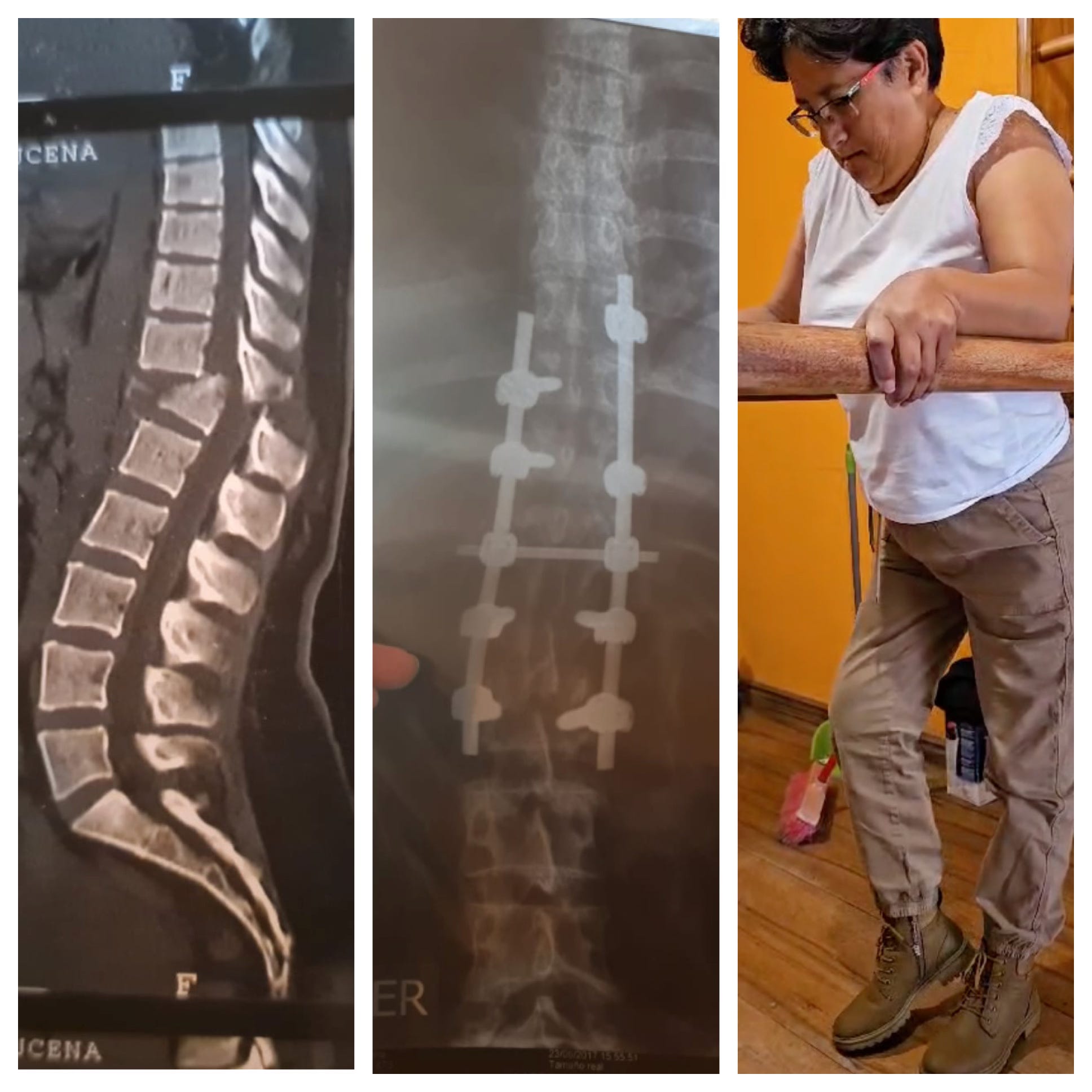
Note: prior to DMSO, Rosa could not feel beneath her waist and had been told she would be a permanent paraplegic (the virtually certain outcome for her injury). After an earlier DMSO article I published described Rosa's miraculous recovery from starting DMSO five days post-injury (based on the above comment from Dr. Grindle), Mary Beth Pfeiffer tracked her down in Ecuador and corroborated that it indeed happened (all of which is detailed here). Rosa and her grateful husband understandably feel more people should know about DMSO and wish she'd received it sooner after the injury.
The greatest benefit occurs when DMSO is given within 90 minutes of injury, with higher doses also increasing the speed and likelihood of recovery.1,2,3 However, DMSO can often provide significant rehabilitation for far older injuries (e.g., an engineer who had been paralyzed made remarkable improvements from DMSO 12 years later, and a college student with severe injuries including a C4-C5 fracture who began DMSO nearly two years post-injury gradually regained sensation, limb movement, and hand function over the following years—whose progress halted when the FDA unconscionably revoked DMSO's medical use—but nonetheless healed enough to graduate).
Likewise, one reader shared that his feet had been paralyzed for 13 years; after starting oral DMSO, he was walking without braces after three months and a veterinarian who practiced in the 1970s reported personally witnessing “many miraculous recoveries” in dogs and cats paralyzed after being hit by cars after they received IV DMSO.
Animal Evidence
DMSO’s protective effects against spinal cord injury have been extensively demonstrated in animals. In the most comprehensive studies, dogs subjected to spinal cord contusion injuries that produced permanent paraplegia in all untreated controls showed dramatic recovery with IV DMSO: in one study 6 of 9 treated dogs fully recovered over 6 weeks (with morphological analysis revealing continuity of surrounding white matter), while in de la Torre’s most detailed work, DMSO-treated dogs progressed from flaccid paraplegia to walking and running with deficit (grade 4-5) while controls remained paraplegic. Combined with dorsal midline myelotomy, approximately 57% of dogs walked, whereas groups lacking either DMSO or myelotomy showed no recovery.1,2,3 DMSO-treated animals showed stronger somatosensory evoked responses at 3 hours (a strong predictor of recovery), and histopathology at 90 days showed preserved axon-myelin integrity (10% affected myelinated fibers vs. 52% in saline controls).
Dexamethasone, reserpine, and hypertonic dextrose provided no benefit.1,2,3,4,5,6,7

Many subsequent studies found similar results. In blunt spinal cord trauma, DMSO consistently improved motor function, reduced edema and oxidative stress, and preserved neural tissue: in rabbits DMSO accelerated recovery of hind leg motor function, normal urination and defecation, and repair with new skeletal tissue (while untreated rabbits showed no motor recovery), in cats DMSO improved functional recovery by 169.57%,1,2,3 and in rats DMSO reduced free radical content and increased antioxidant activity while improving hindlimb motor function by 24-96 hours.1,2,3 Topical epidural application of DMSO also produced significantly better motor performance compared to saline controls.1 Additionally, in cats with gradual spinal cord compression, DMSO restored somatosensory evoked potentials and half regained some ability to walk, with a separate study confirming DMSO was effective for chronic spinal cord compression.1,2,3 IV DMSO also significantly extended the time available before omental transposition surgery (from 3 hours to 6-8), outperforming every other existing therapy. In another rat contusion study, DMSO significantly improved motor function and somatosensory-evoked potentials compared to methylprednisolone or naloxone, producing the greatest clinical improvement over 14 days.1
When the spinal cord was transected (cut), DMSO following the injury was found to be superior to both hyperbaric oxygen and placebo in allowing rats to avoid paralysis and in reducing subsequent spinal cord damage (less scarring, collagen formation, and damaged nerve fibers),1,2 with a third study finding DMSO prevented pathological spinal changes hypothesized to result from DMSO removing fluid pockets that had eliminated the space nerves needed to regrow (and DMSO also significantly enhanced axolemmal resealing in cut guinea pig spinal cord nerves). In the most detailed transection studies, subcutaneous DMSO (tapering over 10 days) reduced secondary cavitation, preserved viable neurons, and produced a softened, well-vascularized scar containing numerous myelinated and unmyelinated axons. Treated animals showed coordinated hindlimb movements beginning around 70-80 days post-lesion, while untreated controls remained essentially permanently paraplegic. Electron microscopy confirmed ongoing Schwann cell-wrapped axonal regrowth at 90-100 days.1,2
When the blood supply to the spinal cord was experimentally interrupted DMSO consistently prevented the resulting spinal paralysis (similar to how DMSO protects from strokes). In the most definitive study, DMSO perfused into an occluded aortic segment in dogs resulted in 11 of 12 animals achieving complete hindlimb recovery versus only 1 of 12 controls, with electron microscopy confirming preserved myelin, axonal integrity, and minimal inflammation. In another canine model, DMSO reduced postoperative motor dysfunction from 7/8 in controls to 2/8. DMSO also prolonged the ischemic tolerance of the spinal cord in rabbits1,2,3,4 and rats, and in numerous separate rabbit ischemia-reperfusion studies, DMSO reduced lipid peroxidation, myeloperoxidase, and peroxynitrite markers while significantly improving neurological function and preventing microscopic tissue damage.1,2,3 Additionally, a selective COX-2 inhibitor in DMSO dose-dependently prolonged the time to permanent paraplegia in rabbits with reversible spinal cord ischemia.
Note: many animal studies are exceedingly cruel and not something I support; however, as they have been done, I felt it was important to share the knowledge they provided so it would not be necessary to repeat them.
A revealing SCI Study
Biomedical experiments frequently need a solvent to dissolve the tested agent, and since most effective solvents besides DMSO are toxic, DMSO is widely used in both cellular and animal studies where it is assumed to be “inert” (as DMSO is needed for medical research and for many pharmaceutical products to work, but simultaneously cannot be allowed to compete with the medical market due to how many products it would displace). Having now reviewed much of the medical DMSO literature, I do not believe that assumption is correct: the effects attributed to DMSO plus the tested agent frequently resemble what DMSO alone does, and in studies that include a non-DMSO control, DMSO often demonstrates an independent therapeutic effect.
Note: I believe a key reason why many successful preclinical studies fail to provide results in patients is that DMSO is no longer being used as the vehicle (both because of its independent effects and because it potentiates other agents).
For example, in an RCT dog trial of naturally occurring acute spinal cord injuries (primarily from intervertebral disc herniations), an MMP inhibitor (dissolved in DMSO) within 48 hours of injury, improved their mean motor score from 2 to 5. However, when DMSO alone was compared to saline, the exact same benefit occurred, leading the authors to attribute the improved neurological outcomes to DMSO’s wide range of neuroprotective effects (which I detailed here). Likewise, in another study, DMSO provided greater spinal tissue protection than the tested agent (curcumin⬖).
Note: numerous studies have found DMSO improved somatosensory-evoked potentials and that their presence correlates with an improved prognosis and eventual full recovery. Likewise, a 2025 bioinformatics analysis of subacute spinal cord injury identified DMSO as one of only three “promising candidates for modulating inflammation, reducing glial scarring, and promoting axonal repair” out of approximately 17,000 compounds screened, and in isolated rat spinal cord tissue, a medium containing DMSO produced the maximum reduction in lipid peroxidation products, greater than antioxidants alone or any other combination tested.1 A detailed review attributed DMSO’s benefits to its antioxidant and free-radical scavenging properties counteracting the rapid membrane lipid peroxidation and eicosanoid-mediated vasoconstriction that drive secondary ischemic damage.
Safety Data
While many remarkable anecdotal reports exist, the only human study of DMSO for spinal cord injuries assessed safety rather than efficacy. In seven patients with stable spinal cord injuries, IV DMSO caused the expected osmotic hemolysis (which surprisingly improves blood circulation) but no adverse effects were detected in the kidneys. A mouse study confirmed that daily subcutaneous DMSO (up to ~4.58 g/kg for 3 days) had no adverse impact on bone parameters at any skeletal site, including the lumbar spine. Multiple reviews have also cited DMSO as a SCI treatment.1,2,3,4
Note: one early SCI study found DMSO did not reduce gray matter necrosis at one hour post-trauma in dogs (though it increased cytochrome oxidase activity in non-traumatized tissue), two others also found no improvement,1,2 one rabbit study using a low intraperitoneal dose showed only modest MDA reduction. These less favorable findings likely reflect differences in timing, dose, route, and injury severity, consistent with the well-established finding that the best responses are seen when DMSO is used shortly after the injury and higher doses are given.
Veterinary Clinical Use
A 1983 veterinary textbook for horses highlighted that IV DMSO was very helpful for brain and spinal cord injuries in horses (including comatose ones), and that in horses with cervical vertebrae lesions compressing the spinal cord, veterinarians had success giving IV DMSO every other day until improvement was noted. Multiple veterinary textbooks and review articles list DMSO among agents with the strongest evidence for neurological conditions in horses,1,2,3,4,5,6 with one noting it reduces intracranial pressure faster than mannitol. A 2023 systematic review confirmed DMSO effectively treated spinal cord injuries in dogs and horses by providing anti-inflammatory, analgesic, antioxidant, and healing effects when administered topically or parenterally, while one veterinary review noted DMSO was considered a conventional treatment for posterior paralysis of traumatic, arthritic, or neuritic origin in dogs (although efficacy was variable).1,2
The response of naturally injured animals to DMSO further supports its clinical utility. In the most dramatic case, an Italian veterinarian described a dog hit by a car that presented with Schiff-Sherrington syndrome (severe spinal cord damage with rigid forelimbs and complete posterior paresis [partial paralysis]). After standard therapy with steroids and glycerol failed over 7 days, he administered IV DMSO. “Ten hours later, the owners told me that the dog stood up and urinated by itself for the first time.” A 19-lb Dachshund with acute posterior paralysis, loss of deep pain sensation, and bladder paresis that had not responded to 14 days of high-dose dexamethasone received a single dose of IV DMSO; by the next morning she was walking, and within one week appeared almost normal. A young dog in Colombia with a T11 vertebral fracture and paraparesis received DMSO and meloxicam alongside physiotherapy, showing intent to use her hind limbs after one week and regaining full hindquarter mobility within weeks.1 A comatose toy poodle with a cervical vertebral fracture received IV DMSO alongside dexamethasone; by day 2 the pupillary light reflex returned, by day 3 consciousness was regained, by day 14 voluntary walking resumed, and at 8 months gait and behavior were nearly normal.
In horses with cervical vertebral fractures, IV DMSO (typically as a solution in Ringer’s lactate given for 7 days) is used as standard treatment, contributing to partial or full neurological recovery. One detailed case series documented an 8-year-old warmblood gelding who sustained three separate cervical fractures over several years and returned to light work between episodes despite progressive degenerative changes, and a 2.5-year-old Friesian stallion with acute C2 fracture similarly improved from neurological score 2.5-3/5 to 1.5/5 over 12 months. Additional equine cases document DMSO contributing to recovery from cervical vertebral arthrosis,1 lathyrism-induced neurological dysfunction, and cervical osteomyelitis.
In downer camelids (llamas and alpacas that can’t stand), IV DMSO was recommended to reduce secondary neurological damage. DMSO is similarly recommended alongside furosemide and mannitol for recumbent foals with spinal cord trauma, and has been administered alongside NSAIDs and corticosteroids for cervical extradural spinal hematoma in horses. In a 2-day-old foal with perinatal asphyxia presenting with seizures, cerebral edema, and acute renal failure, IV DMSO contributed to marked resolution of cerebral edema and complete neurological recovery by day 12. Finally, veterinarian Jack Metcalf found horses developmentally disabled at birth (to the point they can’t nurse), once given IV DMSO three times daily, regained the ability to nurse and had accelerated overall development.
Additionally, multiple readers reported veterinary DMSO applications for spinal and nerve conditions: a horse with hock arthritis, torn suspensory ligaments, lumbar soreness, and frostbite-damaged ears showed improvement across all conditions within 10 days of topical DMSO (including normalized stride, improved backing, deeper breathing from 28 to 12-13 breaths/minute, and return of warmth to chronically cold ears),1 a dog with hip dysplasia and a damaged T2 disc became approximately 20% more comfortable after its meloxicam was compounded with DMSO,1 a veterinarian reported treating a dog’s spine with DMSO and finding the dog “totally recovered” after three years with no repeat treatment needed,1 and multiple readers noted their veterinarians had used DMSO for decades for equine and canine orthopedic and neurological conditions.1,2
Additional Reader Reports
A reader’s goat became paraplegic in the hindquarters; subcutaneous injections of DMSO with liquid thiamine⬖ near the affected spine produced attempts to stand within 30 minutes of the first dose, with daily improvement over several weeks.1 A (different) small goat whose neck was crushed in a car door (producing a visibly crooked spine and repeated respiratory arrests requiring chest compressions) received IV DMSO at a veterinary hospital; within 10 minutes she was awake and breathing strongly, and eventually made a full recovery.1
A dog paralyzed by Ehrlichia (a tick-borne disease) was recommended for euthanasia, but daily undiluted DMSO spray applied to the spine at the point where sensation was lost produced gradual return of sensitivity over six months, and the dog can now walk with difficulty.1 Another reported: “I’m a paraplegic with severe neuropathy. DMSO replaced my nerve medication. It works.”1 Several readers reported dramatic responses from topical DMSO for acute spinal injuries: one was “in pain like a cripple” after a tennis fall and had “almost total relief” within 60 seconds,1 another could not walk after a four-car pileup but had “0 pain” overnight from DMSO applied to the upper, mid, and lower spine,1 and a third with a severe back injury from a fall was walking with assistance within five days of starting topical DMSO three times daily.1
Note: DMSO has also been shown to treat many other complications of spinal cord injuries (e.g., Dr. Jacob found DMSO stabilized retrograde ejaculation in paraplegics, along with reducing bladder infections, bedsores, and improving body temperature control). A Russian patent for activating lost motor functions after spinal cord injury incorporated a DMSO elixir (with aloe,⬖ jasmine,⬖ and propolis⬖ extracts) applied topically to motor points as part of a neurophysiologically controlled rehabilitation protocol. Another reader with a 9-year-old daughter with cerebral palsy (and a shunt for hydrocephalus) shared that topical DMSO helped the cerebral palsy symptoms, and one reader’s story (detailed here) shows how IV DMSO can stabilize even progressive spinal cord conditions over decades that would otherwise be terminal.
Combination Studies in SCI Models
Many different agents dissolved in DMSO have also improved spinal cord injuries. Since DMSO served as the vehicle control in these studies, the agents’ benefits are measured against DMSO’s own baseline neuroprotection, meaning the actual benefit over no treatment is likely larger than these studies report (so the agents, without DMSO, likely do much less). Likewise, the common benefits seen across these studies suggest they are a property of DMSO rather than the assorted agents it is being combined with.
Among the most extensively studied, curcumin⬖ improved motor function (BBB scores), inhibited glial scar formation via NF-κB suppression, and when combined with neural stem cell transplantation, enhanced neuronal migration and reduced inflammation.1,2,3,4,5 Resveratrol⬖ downregulated inflammatory GFAP/STAT3, reduced glial scarring, and improved motor recovery via the SIRT1-AMPK autophagy pathway.1,2 Necrostatin-1 repeatedly improved motor function and neuronal survival by inhibiting necroptosis and preserving mitochondrial ultrastructure.1,2,3,4,5,6 Aspirin activated the Nrf2/NQO1/HO-1 antioxidant pathway while suppressing inflammatory TNF-α, IL-6, and astrocyte activation. Rutin⬖ reduced spinal cord edema and pro-inflammatory cytokines via PI3K/AKT. Estrogen reduced inflammation, edema, myelin loss, and axonal damage while improving motor scores, even when treatment was started in chronic SCI,1,2,3 and separately acting through GPR30 protected spinal motor neurons via PI3K/Akt. Progesterone similarly improved locomotor function and preserved white matter.
Among agents targeting cell death pathways, shikonin inhibited TNFR/RIPK1-mediated necroptosis,1,2,3 deferoxamine and edaravone inhibited ferroptosis, liproxstatin-1 upregulated GPX4, TUDCA⬖ reduced neuronal apoptosis and caspase-12 expression,1,2 a cysteine protease inhibitor prevented neurofilament degradation, and a calpain inhibitor reduced apoptosis, hemorrhage, edema, and vascular thrombi.1,2,3
Rapamycin enhanced autophagy, promoted Schwann cell-mediated remyelination, and improved motor function across multiple studies,1,2 with additional work showing it activated the Wnt/β-catenin pathway and enhanced BDNF.1 MiR-125b promoted neural stem cell proliferation and improved neurological recovery via Smurf1/KLF2/ATF2. Rolipram improved motor scores and elevated SOD in spinal cord ischemia-reperfusion, and separately increased Bcl-2 while decreasing caspase-3 in spinal cord transection.1,2 Aminoguanidine (an iNOS inhibitor) repeatedly improved hind limb motor function and reduced neuronal apoptosis in spinal cord ischemia-reperfusion.1,2
A mitochondrial fission inhibitor protected mitochondrial membrane potential and reduced neuronal apoptosis across multiple studies,1,2,3 while 2,4-dinitrophenol (a mitochondrial uncoupler) preserved white matter. CAPE⬖ reduced apoptosis more effectively than methylprednisolone while preserving near-normal histological architecture. Ginsenoside Rg1⬖ also improved depressive behavior following SCI by reducing hippocampal neuroinflammation via p38 MAPK inhibition. Triptolide⬖ improved motor function and upregulated autophagy comparably to methylprednisolone.1,2,3
Natural compounds showing neuroprotective effects include bergenin⬖ (promoted M1-to-M2 macrophage polarization via PPARγ), baicalin⬖ (M2 polarization via JAK1/STAT6), Salvia miltiorrhiza⬖ (reversed oxidative stress in rabbits), melatonin⬖ (suppressed MMP-9 and preserved myelinated white matter), fisetin⬖ (promoted neuronal axon regeneration), and astaxanthin⬖ (enhanced autophagy). Butylphthalide protected mitochondria and inhibited necroptosis,1 while ferrostatin-1 and matrine⬖ each similarly reduced neurological severity.1 An epoxide hydrolase inhibitor reduced disease severity by suppressing multiple inflammatory pathways and in a separate study promoted remyelination.1,2 Pirfenidone improved locomotor scores by reducing fibrosis, and an aquaporin 4 inhibitor (TGN-020) reduced spinal cord edema and glial scarring.1,2 Jasplakinolide reduced astrocyte swelling through F-actin polymerization. Conversely, TrkB blockade (with K252a) suppressed exercise-induced allodynia without impairing motor recovery, indicating BDNF-TrkB signaling mediates post-SCI pain but not the motor benefits of early rehabilitation.
Additional agents showing neuroprotective effects in SCI models include ebselen (reduced oxidative stress),1 pycnogenol⬖ (mitochondrial membrane potential), EGCG⬖ (reduced gliosis), midostaurin (inflammasome modulation), DHEA (reduced IL-1β and caspase-3), EGFR inhibitors1,2 and U01261,2,3 (both reduced glial scarring and promoted nerve fiber regeneration), a PI3K inhibitor (reduced glial scarring), a PP2A activator (promoted astrocyte migration and MMP-2/9 via p38), tamoxifen (reduced NF-κB and caspase-3), butein⬖1,2 (inhibited NF-κB), a Lipoxin A4 agonist, difumarate salt S-15176 (prevented apoptosis), GSK-3β inhibitors1,2,3,4 (reduced neuronal apoptosis and inflammation), a cAMP derivative1,2 (activated Epac2/Akt), aminoguanidine1,2 (reduced iNOS in spinal ischemia-reperfusion), lutein⬖ (preserved motor neurons), zonisamide-prednisone nanomicelles (promoted axon elongation), a PTEN antagonist (promoted long-distance respiratory axon regeneration), a TGFβR-Smad3 inhibitor (reduced syrinx size in syringomyelia), intracellular sigma peptide (improved locomotor recovery), acetylcorynoline⬖ (reduced microglia via EGFR/MAPK), dexmedetomidine (reduced ER stress), P2Y121 and P2Y21 inhibitors (restored mitochondrial integrity and promoted neuronal differentiation, respectively), SPG302 (enhanced synaptogenesis after cervical hemisection), monastrol with chondroitinase ABC (enhanced axon regeneration through nerve grafts), VEGF (promoted spinal cord neural stem cell proliferation), human umbilical cord MSC exosomes (promoted repair via miR-29b-3p/PTEN), tetramethylpyrazine⬖ (improved motor function and NGF expression), JNK inhibitors1,2 (suppressed autophagic cell death), ceftriaxone (prevented motor neuron death), curcumin⬖ (alleviated lidocaine-induced spinal neurotoxicity), dexmedetomidine (protected against bupivacaine spinal neurotoxicity via p38 MAPK), normobaric oxygen with a MEK1/2 inhibitor (protected against decompression sickness), tacrolimus (reduced demyelination and axonal loss by up to 95% in EAE), and ERK inhibitors (enhanced ischemic postconditioning protection).
Note: PEG (polyethylene glycol) has been used as a fusogen to attempt rapid reconnection of severed axons, and DMSO was specifically noted as an additive known to enhance PEG-induced membrane fusion, with two cases achieving functional action potential conduction through reconnected crayfish axons within 30-60 seconds.
Lastly numerous agents combined with DMSO have also shown therapeutic benefit in experimental autoimmune encephalomyelitis models involving spinal cord inflammation and demyelination, including nordihydroguaiaretic acid,⬖ ginkgolide A,⬖ a mitochondrial division inhibitor, curcumin,⬖ a GSNOR inhibitor, and tanshinone IIa⬖.
Radiation Myelopathy
DMSO applied topically to the zone of radiation-induced spinal cord damage, followed 1-2 hours later by acupuncture, shortened overall treatment duration from 60 days to 30-40 days and produced positive neurological outcomes including decreased focal symptoms, reduced paresis, and improved sensory disturbances, with effects persisting for at least 6 months.1,2,3
Arachnoiditis
Arachnoiditis is inflammation of the membrane surrounding the spinal cord and brain, which causes disabling chronic pain, neurological issues, and adhesions that have limited conventional treatment options (e.g., separation surgery is extremely difficult and the ensuing inflammation often makes it worse). As DMSO’s unique therapeutic properties, in theory can address this condition, it offers great promise (particularly since I only know of one way it can be treated—which is nearly impossible to get access to). The limited data here is as follows:
•In 42 patients with chronic cerebral arachnoiditis, transcerebral “superiontophoresis” with DMSO and hydrocortisone (10 mg) over ten sessions produced a statistically significant increase in the proportion of patients discharged with improvement or considerable improvement compared to conventional treatment controls, with no side effects reported.
Note: ultrasound (phonophoresis) or electrical current (iontophoresis) are two methods used to deliver therapeutic agents through the skin (and in the case of phonophoresis, then direct them to a target site). As DMSO has synergy with these modalities, they are frequently combined in Eastern Europe and Russia (where the less correct term “electrophoresis” is often used).
•For cerebral arachnoiditis, endonasal iontophoresis using vitamin E⬖ dissolved in DMSO (applied via nasal turundas for 20–30 minutes, 10–13 sessions) was conducted alongside pyrogenal-induced fever therapy. In one detailed case of post-influenza convexital cerebral arachnoiditis with optic disc stasis, this protocol produced clinical improvement, complete resolution of optic disc stasis, and no recurrence at nearly 3 years of follow-up — reportedly shortening treatment duration and reducing relapses.
Lastly, DMSO has also been used as an enhancer for Karipain (papaya enzyme) iontophoresis in arachnoiditis treatment.
Note: my knowledge here is quite limited as only one reader has tried it for arachnoiditis (and reported success).1 I also suspect DMSO injections closer to the spine (which Jacob used for severe spinal injuries) may help, but I have not yet been able to reach the person who would know if this was tried.
Spasticity
Spasticity (involuntary muscle tightness and spasms) is a common and debilitating consequence of spinal cord injury, arachnoiditis, poliomyelitis, and other neurological conditions.
In patients with muscle spasticity from a wide range of causes, DMSO mixed with sodium oxybutyrate (GHB) for iontophoresis, plus topical applications with sodium oxybutyrate and lidocaine) was applied to spastic areas after IV sodium oxybutyrate and therapeutic exercises. Daily procedures over 25 days prolonged muscle relaxation beyond the 2–3 hours achievable with IV sodium oxybutyrate alone, reduced pain, spasticity, and reflex excitability (decreased H-reflex amplitude, elevated current thresholds by 2–2.5 mA), increased voluntary movement volume and strength, and improved gait, with one patient progressing from cane-dependent to independent walking. In post-stroke rehabilitation, endonasal iontophoresis of vitamin E⬖ dissolved in DMSO (alongside electrostimulation of paretic muscles) similarly decreased muscle tone, attributed to gradual restoration of cortical-subcortical relationships and modulation of reticulospinal pathways.
In a patient with right-sided scalenus syndrome (painful muscle spasm with neurovascular compression), DMSO mixed with tolperisone (Mydocalm) was applied as compresses for 1.5–2 hours daily for 10 days; combined with intramuscular Mydocalm and vascular therapy, this led to near-complete regression of the pain and muscle-tonic syndrome, restored radial pulse, and warmed hand within 3 weeks.
In decerebrate cats with chronic spinal hemisection, the 5-HT₁B/₁D agonist zolmitriptan (in DMSO) enhanced intermuscular inhibition and stabilized force responses, supporting serotonergic modulation of spinal force feedback circuits for managing post-SCI spasticity. Additionally, a Russian patent proposed DMSO as a transdermal enhancer for a botox patch targeting spasticity (in Parkinson’s, cerebral palsy, dystonia, and multiple sclerosis), potentially bypassing the existing need for repeated injections.
A reader with vaccine-induced Stiff Person Syndrome reported that topical DMSO was the only treatment that relieved constant muscle spasms (spanning back, calves, feet, and chest) over 22 months of uncontrolled pain: “I have it with me at all times.”1 Another reported topical DMSO allowed them to discontinue a muscle spasm pill they’d taken for years.1 Multiple readers also reported topical DMSO resolving restless leg syndrome, in some cases allowing discontinuation of long-term medications1,2,3,4,5,6,7 (e.g., one had cycled through five prescription medications over 30 years until DMSO, while another found a DMSO roll-on applied during a breakthrough episode replaced a 20-minute middle-of-the-night yoga routine, and another noted DMSO on the legs combined with oral magnesium⬖ addressed both neuropathy and restless legs that had prevented sleep).
Note: in a mare with tetanus, intravenous DMSO (as part of intensive supportive therapy) contributed to gradual resolution of rigidity, dysphagia, and systemic signs over 22 days, with discharge without sequelae (other reports also detail DMSO in tetanus treatment protocols for mares).
Spinal Musculoskeletal Conditions
Beyond acute spinal cord trauma, DMSO has been extensively used in clinical practice (particularly in Russia and Eastern Europe) for degenerative spinal conditions: both as a direct treatment and as a penetration enhancer for enzyme therapy targeting disc herniations, along with being used to treat intervertebral disc syndrome in dogs and spondylogenic neuropathies in humans. Spinal musculoskeletal conditions are also one of the most popular applications for DMSO among readers, in part because of how common they are and how effectively DMSO treats them.
One reason DMSO works so well here is that topical DMSO is most effective at treating small joints close to the surface (e.g., in the fingers), and the vertebral facet joints on either side of the spine fit this profile. Since chronic facet joint inflammation is thought to underlie a significant amount of spinal pain (hence why harmful steroids are routinely injected into them), DMSO’s anti-inflammatory properties are clearly relevant.
However, I do not believe anti-inflammatory action is the primary reason DMSO excels for back pain. Back pain is notoriously heterogeneous (varied): the same symptom can arise from dozens of different causes, a diagnosed finding on imaging (e.g., arthritis) is often not the actual source, and because the true cause frequently cannot be determined—catch-all painkillers are used instead (which partially mask symptoms but never resolve them and require increasingly toxic escalating doses). This heterogeneity also explains why so many treatments show partial evidence: if 40% of cases share a particular cause, a treatment targeting that cause will appear “effective” in 40% of patients while failing or worsening the rest (e.g., spinal surgery is a particularly costly example of this pattern).
DMSO excels precisely because it has multiple therapeutic mechanisms that each address different subsets of back pain: healing tissue injuries, reducing inflammation, restoring blood flow and fluid drainage (which when impaired can cause pain), normalizing bulging discs, resetting dysfunctional neurological circuits (discussed in the next article), and directly blocking pain transmission.
Beyond this, in my own experience, the most common cause of back and neck pain is tight muscles, which makes it quite tragic to continually see patients undergo elaborate, costly, and harmful treatments for something with a fairly simple cause.
Given this last point, one reason DMSO is particularly effective for spinal pain may be its muscle-relaxing properties: DMSO tends to relax skeletal muscle,1 and topical application produces electromyographic (EMG) evidence of muscle relaxation within 60 minutes.1,2 In laboratory studies, 50% DMSO prevented contraction of frog skeletal muscles,1 while lower concentrations (3–6%) enhanced contraction of cardiac and smooth muscle,1 suggesting DMSO selectively relaxes the voluntary musculature responsible for spasms while preserving or enhancing involuntary muscle function.
Note: one cause of back pain DMSO typically cannot address is structural misalignment. However, while DMSO often cannot correct the misalignment itself, it can counteract the chronic irritation it causes and thereby reduce pain. Additionally, many cases misalignments result from tight muscles (which DMSO addresses), knotted fascia or scar tissue (which DMSO ameliorates) or weak ligaments (which to a much lesser degree DMSO addresses), so in some cases it can fix the misallignment.
DMSO also works synergistically with many other therapies that treat specific subsets of pain, and as this article shows, many modalities have been combined with it. One of these is trigger point therapy, an 80-year-old (insurance-covered) approach (which can be very useful) that identifies hyperirritable myofascial (muscle and fascia) points generating chronic pain and deactivates them to resolve the dysfunctional reflex and promote significant musculoskeletal improvement (notably, many trigger point locations overlap with classical acupuncture points).
In turn, in Russian and Eastern European clinical practice, DMSO is widely used in trigger point and myofascial pain management, typically applied topically and mixed with novocaine, diclofenac, hydrocortisone, or lidocaine in compresses over trigger points and spastic muscles.1,2,3,4,5,6 This approach has been applied across multiple body regions (lumbar, cervical, thoracic, facial, and shoulder musculature)1,2 and contexts, including as preparation for acupressure massage (where a DMSO-novocaine mixture applied for one hour facilitated muscle relaxation and improved subsequent manual therapy outcomes),1 as a pre-traction application (DMSO with novocaine over paravertebral trigger points to prevent spasm exacerbations during spinal traction),1 as a topical adjunct after epidural injection courses,1 and via phonophoresis to deliver hydrocortisone into latent trigger points. DMSO has also been successfully injected directly into trigger points (alongside substances such as lidocaine, procaine, B vitamins, and corticosteroids), a method documented in both human1 and veterinary1 practice, though digital ischemic pressure is generally preferred over DMSO injection for animal patients.
Note: DMSO also treats musculoskeletal injuries and joint pain throughout the body (e.g., many readers and studies report it helps shoulder and SI joint issues). However, these are not covered here as this article’s focus is strictly on the spine.
Back Pain (Dorsalgia)
The most rigorous evidence comes from a Russian placebo-controlled clinical trial of 68 patients (aged 18–77) with acute, subacute, or chronic vertebrogenic dorsalgia. Topical DMSO gel applied twice daily for 10 days significantly outperformed placebo: mean pain intensity on VAS dropped from 7.46 to 2.58 (versus 7.13 to 4.73 for placebo), the muscle syndrome index shifted to mild severity in 76.3% of patients (versus 33.3% for placebo), spinal mobility restriction was fully resolved in 39% (versus 27% for placebo, with 20% remaining severe in the placebo group but 0% in the DMSO group), and Roland-Morris disability scores improved by 60% (versus 35% for placebo).1,2,3,4,5,6,7,8
Earlier controlled studies corroborate these findings: a 1968 trial found that in 38 patients with lumbar and cervical disc herniation, treatment duration in the DMSO group was reduced by approximately half compared to controls,1,2 and another study similarly found DMSO treated the root cause of vertebrogenic lumbar pain.
In a staged rehabilitation program for 320 patients with vertebrogenic pain syndrome, DMSO applied topically on the painful segment (alternating daily with pharmacopuncture for up to 5 days during the acute inpatient phase) reduced pain to 0–2 points on VAS in 89% (versus 73% in controls), with long-term remission maintained in 80% when repeated annually.
A Russian patent for treating lumbar disc herniations described a multi-step protocol concluding with applications of a DMSO-drug mixture (e.g., with procaine, ATP, nicotinic acid) on the gluteal and lumbar regions, with two case reports demonstrating substantial pain reduction and functional improvement over 2–5 weeks;1,2,3,4 a 2019 conference on lumbosacral osteochondrosis listed DMSO applications (often via iontophoresis) as an initial therapy used in conjunction with many of these same interventions. In a veterinary case, a 3-year-old Thoroughbred Arabian stallion with acute lumbago, paralysis of the right foreleg, and extremely elevated muscle values regained limited leg movement after a DMSO infusion. A published account similarly described a man with spinal arthritis who was bedridden more than half the time transforming into “an active, pain-free man in exactly 30 minutes” after a single DMSO application.
Note: I have received so many remarkable spinal DMSO testimonials from grateful readers that it is impossible for me to quote most of the ones I want to here and as such, my goal is to provide an idea of the flavor of them and links to the specific issues DMSO cured so that individuals with them can see what others experienced and reach out to them. My best guess from the well over a thousand pain reports I’ve received is that between 80-90% of people who use DMSO for pain have a noticeable improvement from doing so (which matches what early DMSO researchers observed).
Acute Back Injuries
Readers have consistently reported rapid pain relief from acute back injuries, often within minutes. A welder with 10 years of work-related back pain was pain-free 20 minutes after a single DMSO application,1 and similar rapid responses were reported after car accidents,1,2,3 falls,1,2,3 and sports injuries,1,2 and lifting injuries,1 with pain relief typically occurring within minutes to hours and often persisting without need for reapplication.1,2,3 One reader was “in agony” and “a hobbling cripple” after a tennis fall until DMSO restored 90% of pain relief and movement within one minute.1 A Navy EOD trainee in 1980 who severely bruised his tailbone in a ski accident was able to fully resume training after two days of DMSO use.1 Multiple readers also reported rapid relief from tailbone injuries (fractured or bruised coccyx), typically reducing pain from “searing” to manageable within days to weeks1,2,3,4,5,6,7,8,9,10
along with another who said it “changed my life” after a spinal fracture.1
Chronic Back Pain
A large number of readers with chronic back pain (ranging from years to decades) reported significant or complete relief from topical DMSO. 1,2,3,4,5,6,7,8,9,10,11,12,13,14,15,16,17,18,19,20,21,22,23,24,25,26,27,28,29,30,31,32,33,34,35,36,37,38,39,40,41,42,43,44,45,46,47,48,49,50,51,52,53,54,55,56,57,58,59,60,61,62,63,64,65,66,67,68,69,70,71,72,73
A few consistent patterns stood out: pain relief was typically 60–100%, onset ranged from minutes to weeks (with longer-standing conditions taking longer), and many were able to reduce or eliminate NSAIDs,1,2,3,4 opioids,1,2,3,4 or other pain medications. One reader with severe chronic back pain described DMSO as the only substance in their life that “beat the too good to be true rule”1 and a physician with 26 years of practice and chronic lower back pain called it “a game changer,”1
One particularly detailed account described a reader with 30 years of “severe disc degeneration L1-S1” who applied DMSO once to the lower back: “It worked immediately and I haven’t had to use it for my back again. That was about 60+ days ago.”1 Another reader with severe chronic spinal pain soaked their entire back in a DMSO-mineral solution for six hours (far exceeding recommended contact time). “Unbelievably, 7 pitch black lumps rose to the surface and formed eschar scabs which finally came off about 4 weeks later.” After these masses were expelled, “my back felt fantastic and I felt 20 years younger,” though subsequently “it felt like something was moving up and down my spine in the fluid.”1
Post-Surgical Back Pain
Pain which persists after spinal surgeries, particularly after spinal fusions, is sadly quite common, termed “failed back syndrome” (or sometimes ‘failed neck syndrome’), and notoriously difficult to treat. However, readers who had this after spinal surgery including fusions, laminectomies, and multiple revision surgeries frequently reported significant relief from DMSO.1,2,3,4,5,6,7,8,9,10,11,12,13,14,15
One reader with over 50 surgeries and a thoracic spinal cord injury (who was also allergic to opioids) called DMSO “life changing,”1 while another after 23 spinal operations reported a 50% reduction in medications within weeks.1 Another with a spinal cord injury and two ACDF (cervical fusion) surgeries said DMSO was "the only product that worked on nerve pain, rigidity relief.1 A reader whose wife had nerve shocks in her toes following a poorly executed spinal fusion found that nightly DMSO application to the spine adjacent to the fusion incision “immediately had less severe and less frequent toe shocks” and she no longer needed to charge her back nerve stimulator.1 Another with hardware in the back from fusion surgery gets “a DMSO back rub every day, and it helps,”1 while a reader with Morvan’s disease following viral encephalitis (who had undergone cervical fusion among multiple surgeries) reported 75% pain reduction and visible inflammation decrease after two weeks of topical DMSO.1
A reader whose severe neck and shoulder spasms began 11 years after a cervical discectomy and fusion — and had failed both PT and injections — found DMSO "helped within minutes," and eventually stopped needing it entirely except during flares.1 Others with fusions at various levels have also reported reduced pain and improved function.1,2,3,4,5
Scar Tissue and Adhesions
Multiple readers reported DMSO softening and reducing surgical scars on the spine, with one noting that a scar on the back of the neck (operated on three times over 30 years) “softened and untwisted” and the spine came back into alignment.1 Others reported scar tissue pain from back surgeries diminishing with regular use.1,2,3
Note: DMSO has been shown to temporarily relocate talin (which anchors structural fibers to adhesion sites) away from those sites, after which the structures reform normally upon DMSO's removal,1 providing a potential mechanism for these observations.
Radiculitis and Cervical Osteochondrosis Protocols
In four studies conducted by the same Russian research group (from 2005–2018, with 64 to 147 patients per study), DMSO solution with procaine was applied as compresses to painful myotonic points on the neck or shoulder for 1.5–2 hours per session over 10–15 procedures, as one component of multimodal conservative treatment for cervical radiculopathy and myelopathy, effectively making it a trigger point treatment. Throughout the studies, the DMSO-containing conservative treatment protocol succeeded in 68.8–84.4% of patients, with improvements in pain, sensation, strength, cervical mobility, and electromyographic parameters.1,2,3,4,5,6
Note: radiculopathy is a disorder of the spinal nerve root (radiculitis specifically refers to inflammation of the nerve root and frequently causes shooting, radiating pain). Myelopathy is a disorder of the spinal cord itself.
For cervical osteochondrosis with pronounced neuralgic syndromes, topical applications of a DMSO mixture (with procaine, ascorbic acid, calcium gluconate, and ATP) applied for 40–45 minutes every other day over 20–22 days produced rapid analgesia (pain relief) from the first application and elimination of spontaneous pain by 3–4 procedures in patients with reflex syndromes. Over 2 years, exacerbation frequency dropped and disability days fell approximately 4.7-fold (from 481 to 104 total).
These results were independently corroborated across several additional cervical studies: in 40 patients, DMSO iontophoresis on the cervical spine area (combined with NSAIDs, muscle relaxants, and paravertebral blocks) produced acute pain relief within 3–4 days in 32 patients; DMSO-procaine or DMSO-hydrocortisone combinations were separately recommended for shoulder-hand syndrome and humeroscapular periarthrosis in the acute stage of cervical osteochondrosis syndromes; and DMSO applications with dissolved indomethacin or naproxen were successfully used as an alternative to physiotherapy for radicular pain, headaches, and dizziness. In 40 patients with cervical osteochondrosis complicated by shoulder myofascial pain syndrome, DMSO topical applications during the acute phase alongside physiotherapy and dynamic electroneurostimulation resulted in full pain resolution in 34 cases (85%), with significant improvements in shoulder mobility, well-being, and sleep.
In cervical osteochondrosis with DMSO-mud applications (where DMSO solution on a napkin was followed by a layer of therapeutic mud), clinical improvement occurred in 100% of the DMSO-mud group after only 5–6 procedures versus 50% in the mud-only group after 10 procedures, with marked gains in hand dynamometry (e.g., 20 kg → 53 kg), neck range of motion, and resolution of muscle tenderness.
For lumbosacral conditions, in 63 machine operators with professional lumbosacral radiculopathy, standard inpatient treatment including DMSO-shilajit⬖ iontophoresis (alongside NSAIDs, muscle relaxants, massage, and vitamin B) over 12–14 days reduced pain scores by 50%, resolved pain irradiation into the leg in 45%, and improved paresis in 27% of patients (with osteopathy further improving all outcomes). Phonophoresis of Chondrasil ointment (containing chondroitin sulfate⬖ and DMSO) used alongside the NSAID Revmoxicam in a clinical trial for vertebral radiculopathies enabled significant regression of neurological symptoms. For standard Russian and Ukrainian radiculitis and sciatica treatment, repeated DMSO compresses were recommended, with DMSO mixed with procaine applied as compresses on the lumbosacral area for 2–4 hours as a standard protocol for reducing edema and inflammation around affected nerve roots1,2,3 (touching upon the fact DMSO is a highly effective local diuretic).
Note: back when vaccine injuries were acknowledged within the medical literature, one of the leading theories to explain them was that the inflammation and edema they caused (either around the nerve or within it between individual fibers) compressed nerves, particularly those traversing tight spaces (e.g., at the radial groove or spinal nerve trunks). While I believe vaccine-induced microstrokes are the primary issue, I immediately thought of this model when I saw that DMSO indication mentioned in a recent Ukrainian pharmacotherapy manual,1 particularly since other schools of healing also believe this process creates neurologic dysfunction.
DMSO was also, again, used as a base for microapplications on acupuncture zones and myofascial reflex zones in chronic pain syndromes, following a 1982 protocol aimed at eliminating pain, edema, and inflammation.1,2 For the syndrome of the inferior oblique muscle of the head (causing cervico-occipital pain), DMSO applications combined with procaine blockade and muscle relaxation techniques resulted in full symptom resolution. For lumbar osteochondrosis complicated by L5-S1 disc herniation, iontophoresis with a DMSO-procaine solution (anode with mixture, cathode with pure DMSO, current up to 15 mA for 15 minutes, every other day for 10–12 sessions) was part of a 21-day comprehensive rehabilitation program that improved static/dynamic spinal function, reduced pain, and normalized humoral immunity markers (increased IgG, IgM, IgA levels).
Compresses with DMSO solution mixed with procaine were also recommended for acute-phase pain relief in dorsalgia from disc herniations,1 including one study where it (and other therapies) reduced illness duration and sick leave by 42%.
Sciatica
Sciatica was one of the conditions most frequently reported to respond to DMSO, with readers describing relief ranging from immediate symptom reduction to complete resolution over days to weeks.
Several readers experienced rapid and dramatic relief. One whose husband had been out of work for four weeks with severe sciatica started DMSO on a Saturday afternoon, applied it every four hours, and he returned to work on Monday.1 A reader with a year of excruciating sciatica reported it was “cured in 2 weeks of regular use, topically with castor oil,⬖”1 and another’s 79-year-old mother who had been bedridden for three weeks with sciatica was out of bed the day after her first application.1
Many readers with chronic sciatica (lasting months to years) reported 90–95% or greater improvement,1,2,3,4,5,6,7,8,9 often describing DMSO as the first treatment to provide meaningful relief after failing physical therapy, chiropractic care, injections, and medications.1,2,3,4,5 Additional readers reported sciatica improvement from topical DMSO (typically applied to the lower back, buttock, and down the leg),1,2,3,4,5,6,7,8,9,10,11,12,13,14,15,16,17,18,19,20,21,22,23,24,25,26,27,28,29,30,31,32,33,34,35,36,37,38,39,40,41,42,43,44,45,46 with several noting that combining DMSO with castor oil,⬖1,2,3,4,5 CBD,⬖1,2 or peppermint oil⬖1,2 enhanced the effect.
Note: DMSO can significantly increase the potency of drugs and one reader who combined DMSO with CBD⬖ stated the combination was far too strong for him.1
Additionally, in a study of subpiriform sciatic neuropathy (55 patients across four clinical variants), DMSO with novocaine was applied topically to the gluteal region, piriformis muscle area, and along the sciatic nerve path on the posterior thigh, as part of a differentiated multimodal protocol (including piriformis blocks, muscle relaxation techniques, muscle relaxants, magnetolaser therapy, and other therapies). Compared to 47 patients receiving standard therapy, the DMSO-containing protocol produced superior pain reduction on VAS (e.g., 71.4 to 20.2 vs. 36.2), greater muscle strength recovery, decreased piriformis tension, paresthesia resolution, and improved EMG parameters.
Neck Pain and Stiffness
Topical DMSO applied to the neck produced rapid improvements across a wide range of cervical conditions. Readers consistently reported pain reduction of 80–100%,1,2,3,4,5,6 often within minutes,1,2,3,4 with many noting restored range of motion they had not had for years.1,2,3,4,5,6 A 55-year-old whose neck pain had persisted since a car wreck at age 19 (and did not respond to surgery) was "100% pain free in 1.5 hours" after a family physician applied DMSO gel.1 A 78-year-old with five rear-end car accidents over decades, spinal stenosis, and bone spurs started oral DMSO two years ago and now walks three miles daily with only occasional shoulder pain remaining.1
Neck mobility improvements were particularly striking. One reader's neck rotation "increased 30 degrees each way in the first week," causing them to almost cry while driving upon realizing the change.1 After an electric scooter crash producing a severe trapezius/whiplash injury, another reader endured two weeks of excruciating pain and only two hours of sleep per night despite multiple treatments until a morning application of oral and topical DMSO eliminated the pain within 15 minutes1 (similar significant scooter injuries in other readers also resolved, including one 20 years after the original accident1,2 as did other whiplash injuries1,2).
Additional readers reported relief from chronic neck pain,1,2,3,4,5,6,7,8,9,10,11,12,13,14,15,16,17,18,19,20,21,22,23,24,25,26,27,28,29,30,31,32,33,34,35,36,37,38,39,40,41,42 with several noting improved sleep1,2 and reduced medication use.1
Note: several readers who applied DMSO to the neck for pain incidentally discovered improvement in tinnitus,1,2,3 consistent with the cervical nerve/auditory nerve proximity and DMSO improving circulation and nerve function (e.g., one with tinnitus that had “gone off the scale” found it “receded into a different league” within four days of spraying DMSO inside the ear and on the side and back of the neck1). Based on the feedback I’ve received, DMSO alone seems to be about 50/50 in improving or treating tinnitus, which I believe is in part due to tinnitus having many different causes (which vary in their responsiveness to DMSO) and how DMSO is being applied.
A reader with post-traumatic brain injury, cervical instability, and a CSF leak reported that even small doses of oral DMSO lowered intracranial pressure and produced “less fluid retention during the day so less urination at night (massive improvement), better long-sighted eyesight, and improved bowel function,” noting: “I thought I was a certain case headed for dementia, now I have hope.”1 Another reader with a brain, head, and neck injury with CSF leak reported DMSO “transformed my many symptoms.”1
Cervical Disc and Vertebral Conditions
Readers with diagnosed cervical disc degeneration, herniations, and stenosis reported significant improvements. Multiple readers with conditions at specific vertebral levels (C3-C4, C4-C5, C5-C6, C5-C7) reported 80–90% pain reduction, often within minutes of application, with continued improvement over weeks to months of use.1,2,3,4,5,6,7,8,9,10
Additional reports of cervical condition improvements include cervical spondylitis or spondylosis,1,2,3,4,5,6,7,8,9 cervical arthritis,1,2 and post-neck-surgery pain.1,2,3,4,5,6
Disc Herniation Enzyme Iontophoresis
Iontophoresis with DMSO is frequently used to topically deliver therapeutic agents to ailing discs. For example, in 115 patients with lumbar disc herniations treated via percutaneous laser vaporization, postoperative iontophoresis with DMSO-procaine contributed to favorable outcomes in 86% at one-year follow-up, with pain reduction by 2 points on VAS in 99 patients within 3 days.
One of the most extensively documented applications of DMSO in spinal medicine involves its use as a penetration enhancer for Karipain (Karipazim), a proteolytic enzyme preparation derived from papaya latex containing papain,⬖ chymopapain, proteinase, and lysozyme. In a standardized protocol used across dozens of Russian clinical centers, DMSO added Karipain (dissolved physiological saline), is applied via positive-pole iontophoresis 1-2 times a day for a few months.
In well over a dozen studies, this protocol has been reported to reduce hernia size by 2–7 mm (and volume by up to 52%) on MRI in 75–98% of patients, avoid surgery in approximately 45%, and produce significant improvements across pain and functional measures: McGill Pain Questionnaire index decreasing by 54–72%, Oswestry disability by 33–54%, Roland-Morris by 58–76%, VAS pain scales by 29–66%, LANSS neuropathic pain scores by 44%, Zung anxiety by 50–60%, and EuroQol-5D/SF-36 quality of life by 10–56%. Additional documented benefits include normalized regional hemodynamics (13% venous outflow increase, 29% venous tone decrease), restored motor unit function on electroneuromyography, Lasegue symptom reduction by 61%, improved segmental spinal motion, reduced muscle tone indices, and pain beginning to improve after two days of treatment.1,2,3,4,5,6,7,8,9,10,11,12,13,14,15,16,17,18,19,20,21,22,23,24,25,26,27,28,29,30,31,32
In the largest individual studies, 221 patients with cervical and lumbar disc herniations showed significant reduction in anterior-posterior hernia dimensions on spiral CT in 98.2% after two courses of 20 iontophoresis procedures; in 80 patients with lumbosacral disc herniations, acupuncture followed by 8 courses of DMSO Karipazim iontophoresis caused 75% to show hernia reduction of 2–5 mm on imaging (with prolonged remissions and reduced relapses); and in 54 patients, the addition of DMSO Karipazim iontophoresis to magnetotherapy and Trabert currents showed higher rehabilitation efficacy than the same protocol without enzyme treatment. In two studies of patients with degenerative lumbar spinal canal stenosis (165 and 110 patients respectively), caripapain iontophoresis with DMSO was part of a multimodal conservative regimen; overall outcomes per MacNab scale were excellent or good in 55–84.5% of patients.1,2,3
Morphological studies demonstrated that papain administered via DMSO-enhanced methods had positive therapeutic effects on intervertebral discs,1 and enzyme therapy combined with DMSO-enhanced diadynamophoresis was used in over 8,500 patients across Armenian medical establishments.1,2
Note: in cases where iontophoresis was contraindicated, phonophoresis of Karipain mixed with indomethacin ointment was used as an alternative, with DMSO included to enhance penetration.1,2 A newer formulation1 (Karipain Plus, containing added collagenase and bromelain⬖) showed 15–18% higher efficacy than prior papain preparations, and some centers also used ultraphonophoresis of DMSO with lidase (hyaluronidase) as an alternative enzyme delivery method, contributing to reduced pain, improved spinal mobility, and decreased recurrence frequency.1 One study found that phonophoresis of caripazim gel (eliminating the need for DMSO as penetration enhancer) combined with DAVID diagnostic-rehabilitation trainers produced faster pain reduction and better functional restoration than the standard iontophoresis protocol.1 Additionally, a patent for treating inflammatory-degenerative spinal diseases referenced DMSO as a universal solvent for drugs not soluble in water or alcohol for iontophoresis.
Spinal Stenosis and Spondylolisthesis
Readers with diagnosed spinal stenosis reported significant improvements. One reader with moderate to severe cervical stenosis (worst at C3-C5, with additional lumbar and thoracic involvement) that had required hospitalization reported “life-changing” improvements and full range of neck motion after DMSO.1
One with “severe spinal stenosis and a slipped disk” who was not a candidate for surgery and had no relief from pain injections described DMSO as giving them “my life back.”1 Another with stenosis and spondylolisthesis who had discontinued opioids after a decade found topical DMSO “kept me moving” with rare need for NSAIDs.1 A 75-year-old with grade 1 spondylolisthesis and severe spinal stenosis at L4-L5 reported DMSO “reduces, even removes the pain for a few hours” and combined with other therapies made them “noticeably more functional,”1 while another with 20% forward slippage of L4 over L5 found DMSO “reduced my perceptions of pain considerably”1 (and noted an unexpected side effect of transient erections from larger doses, which they attributed to improved pelvic blood flow—something numerous other readers here have also reported alongside prostate improvements). A reader with grade 3 spondylolisthesis at L5-S1 (with bulging discs, nerve compression, and stenosis at levels above, making fusion inadvisable) who had discontinued epidural steroids after they damaged bone density reported DMSO was “the only thing that works,” producing entirely pain-free days after years of unrelenting chronic pain.1 Others with foraminal stenosis,1 stenoses at various levels1,2 and spondylolisthesis at various levels1,2 also reported pain relief. One reader with a similar L4-over-L5 slippage (triggered by a decades-old motorcycle injury) causing six years of daily pain found topical DMSO largely eliminated his back pain.1
Disc Herniation Reports
Reader reports of DMSO treating disc herniations are amongst the most dramatic I’ve received. Most remarkably, a reader whose 12.5 mm bulging disc had left them unable to stand without crying reported that after seven days of DMSO use, they could stand, and after seven months, imaging showed the disc had shrunk to 3–4 mm without surgery.1,2 A reader with a herniated L5-S1 disc who had been confined to bed for seven months and unable to stand reported being able to stand and return to physiotherapy within six weeks of oral DMSO.1 One with symptoms heading toward cauda equina syndrome (from multiple disc compressions—making it urgent to address immediately) declined surgery and found relief through spine decompression therapy combined with topical DMSO and THC cream.⬖1
Other readers with confirmed disc herniations reported similar patterns: pain elimination within days to weeks,1,2,3,4,5,6,7,8,9,10,11,12 reduced need for epidural injections,1 healing slipped disc with castor oil,1 and functional recovery sufficient to return to work and normal activities.1,2,3,4 One reader avoided a planned back fusion surgery entirely, noting their surgeon "had 0 curiosity" when told why.1
Readers with degenerative disc disease similarly reported significant relief,1,2,3,4,5,6,7,8,9,10,11,12,13,14,15,16,17,18,19,20,21,22,23,24,25 with several noting DMSO was the first treatment to provide meaningful improvement after years of failed therapies, and one reader whose wife’s 50-year-old disc injury (sky diving accident) had been considered untreatable finding that topical DMSO (combined with other therapies), to her doctor’s astonishment, appeared to be healing the disc.1
Intradiscal Injection Therapy
In two studies, a mixture of glucosamine,⬖ chondroitin sulfate,⬖ concentrated sugar water (dextrose), and DMSO were injected into the damaged spinal discs of patients who had severe, long-lasting back pain confirmed to originate from the discs. In the initial pilot study, disability and pain scores each improved approximately 50% at 12-month follow-up, with 57% of patients achieving marked improvement (72% disability reduction, 76% pain reduction) while 43% (predominantly those with prior failed surgery, long-term disability, or spinal stenosis) showed minimal benefit. A subsequent comparative study (35 injection patients vs. 74 intradiscal electrothermal therapy patients) found slightly greater pain relief with injections than IDET (2.2 vs. 1.27 VAS improvement), higher satisfaction (65.6% vs. 47.8%), and no patients worsening versus 35.8% with IDET.
In rat models of nucleus pulposus-induced inflammatory radicular pain, epidural osthole⬖ repeatedly improved mechanical and thermal pain thresholds while reducing inflammatory mediators through multiple pathways (CGRPR1, p38/IL-18, Wnt3a/β-catenin, and CXCL1/CXCR2) in the spinal dorsal horn and dorsal root ganglia.1,2,3,4,5 A p38 MAPK inhibitor delivered epidurally similarly improved mechanical thresholds and reduced phosphorylated p38 in the same model. In a spine fusion study, Oxy133 dissolved in DMSO produced solid fusions with bone densities comparable to BMP2 while significantly reducing adipocyte formation, suggesting potential as an alternative to rhBMP2.
Aspirin Ultraphonophoresis with DMSO
DMSO was repeatedly used to dissolve acetylsalicylic acid for ultrasound phonophoresis treating radicular and reflex syndromes of lumbar osteochondrosis.1,2 In a comparative analysis of 114 patients versus 205 with a prototype method, this DMSO-based phonophoresis yielded pain relief after 5–6 procedures in 78% (versus 12–15 procedures in 60%), significant improvement in 81.7% (versus 73.8%), and faster overall clinical improvement in 80% within 8–10 days. A separate study of lumbosacral dorsopathies found overall improvement in 75% of reflex and 80% of radicular syndromes, while an earlier study of 144 patients reported efficacy in 71% of radicular and 60.5% of reflex syndromes, with improvement rates varying by pain severity (57.3% for severe, 75% for mild).
DMSO Formulations
The Chondroxide ointment (containing chondroitin sulfate⬖ and DMSO) applied via ultraphonophoresis improved range of motion, reduced muscle tone, and significantly decreased pain (VAS from 6.1 to 2.4 cm) in 30 patients with cervical osteochondrosis and scapulohumeral periarthrosis over 10 days. In vertebrogenic pain syndrome, ultraphonophoresis of a DMSO Chondroxide ointment showed significantly greater pain reduction by days 6-7 compared to traditional therapy alone. Chondroxide is considered one of the most studied chondroprotectors in practice, with DMSO providing both anti-inflammatory/analgesic effects and enhanced penetration of chondroitin sulfate⬖ (a cartilage component) to deep tissues.
A patented DMSO gel formulation demonstrated stable anti-inflammatory efficacy comparable to standard DMSO ointments in animal testing (reducing kaolin-induced paw edema by approximately 63-74% at 5 hours versus 108% in controls), with high stability (no separation over 180 days at room temperature), convenient non-greasy application, and no toxicity or irritation. A comprehensive Russian review recommended DMSO gel for complex therapy of rheumatoid arthritis, ankylosing spondylitis, osteoarthritis, arthropathies, radiculitis, neuralgia, trauma, and nodular erythema.1,2
Ankylosing Spondylitis
In a mouse model of ankylosing spondylitis (AS), a VEGFR2 inhibitor in DMSO significantly reduced ectopic ossification and spinal destruction in proteoglycan-induced arthritis mice. Additionally, dopan dissolved in DMSO was administered via transdermal iontophoresis along the spine in patients with rheumatoid arthritis, with the two-stage protocol (general followed by local joint applications) shortening treatment duration and producing significant immunological improvements including reductions in ESR, fibrinogen, C-reactive protein, and immunoglobulins.
Multiple readers with ankylosing spondylitis reported dramatic improvements from DMSO. Two readers with 23+ year histories of AS (one with 29 fractures from prescription drug complications) reported being off all medications and thriving, with one no longer needing daily DMSO.1,2,3 A reader who started topical DMSO on their knees for AS found that within an hour “I could feel a difference” and could walk stairs normally for the first time in years; after two months, their CRP inflammatory marker dropped from a chronic 9–12 to 3 (near remission levels), with DMSO being the only change made.1 One reader reported “literally ZERO lumbar pain” after one week.1 Others with AS or autoimmune spondylitis reported significant pain and inflammation reduction.1,2
Additional Spinal MSK Protocols
•For photodynamic therapy of spinal complications (including vertebral osteochondrosis, disc herniations, and carpal tunnel syndrome), a protocol using a photosensitizer mixed with DMSO applied to the skin for 20 minutes before laser irradiation achieved pain elimination in 70% and overall efficacy in 90% of 50 patients within 4 months, with treatment duration reduced by 4–8 weeks compared to controls. For occupational cervicobrachial syndrome, two studies (22 and 103 patients) included DMSO ionophoresis as part of multimodal conservative treatment, with acute pain relieved within 3–4 days and overall pain severity decreased significantly over 12–14 days.1,2
•DMSO has been used across several protocols targeting pathological calcium deposits. DMSO was included in a decalcifying solution (with zinc sulfate,⬖ potassium iodide,⬖ and magnesium sulfate⬖) applied as compresses or via ionophoresis to spine and joints with heterotopic ossification, resulting in reduced pain, improved mobility, and symptom resolution lasting months. In an anecdotal case report, topical DMSO mixed with pure ascorbic acid⬖ powder (applied as a thin paste) reduced spinal stenosis symptoms caused by solid calcium deposits by approximately 80% over six months of intermittent treatment, with the same preparation rapidly resolving symptomatic calcium deposits at other anatomical sites1,2 Likewise, a reader’s husband had a calcium deposit in his shoulder preventing all arm movement with extreme pain: “Within a minute he could move his arm and the pain went away for hours.”1
•For severe lumbar osteochondrosis with motor disorders and pelvic organ dysfunction, transdermal applications of proserin (an acetylcholinesterase inhibitor) in DMSO applied over affected spinal cord segments for 6 hours daily over 10 days improved microcirculation and stimulated synaptic conductance. For postmenopausal osteoporosis with vertebral compression fractures, laserophoresis of a hyaluronic acid⬖-DMSO gel resulted in 68% pain reduction (VAS) and improved mobility in 29 elderly patients. For pain in vertebral fractures complicating systemic osteoporosis, cold compress applications of DMSO mixed with procaine, diphenhydramine, vitamin B12,⬖ and diclofenac were recommended.
•In disc degeneration, atractylenolide I⬖ (in DMSO) inhibited JAK2/STAT3 pathway activation and reduced apoptosis in human nucleus pulposus cells. In humeroscapular periarthrosis, DMSO applications were used alongside glucocorticoid blocks in 91 patients, though standard therapy achieved lasting relief in only 52.7%, with superior outcomes from added phonophoresis of Karipazim mixed with chondroxide and indomethacin ointments.
•For surgery of lumbar scoliosis (with associated spinal stenosis), phonophoresis with hydrocortisone, naclofen, and lidocaine combined with DMSO contributed to pain improvement and neurological deficit regression in 95% of patients. Readers with scoliosis also reported meaningful pain relief from topical DMSO: one with severe scoliosis (50/50 degree curves) found that DMSO with castor oil⬖ eliminated most pain “in 5 seconds,”1 another who had been on pain medication for 15 years and unable to sit without pain “was able to sit without pain for the first time in 15 years,”1 and a 78-year-old family physician with severe thoracolumbar kyphoscoliosis who had declined extensive surgery and found Tramadol ineffective reported that daily oral and topical DMSO made him more active than he had been 40 years earlier (walking 45 minutes daily and lifting weights twice weekly).1 Others reported reduced pain and improved daily function.1,2,3,4,5
•In a novel approach to spinal instability, artificial fibromatization of interspinous ligaments was performed using electrocoagulation followed by a dressing with a DMSO solution, as a minimally invasive prophylaxis against “spinal cord syndrome” in the postoperative period. For ibuprofen-DMSO ionophoresis along the spine in 37 children with active rheumatism, preliminary data indicated the method was promising and superior to existing approaches.
•At a Russian military sanatorium treating victims of terrorist attacks and other emergencies, a DMSO solution was among the most frequently used agents for neurological patients (primarily dorsopathies, 66.3%, and cerebrovascular diseases, 35.6%), administered as part of standardized 21-day iontophoresis rehabilitation courses. DMSO applications were also recommended for vertebrogenic pain syndromes in children, and successfully utilized in conjunction with procaine in a study of 105 children (aged 5-18) with headaches and cervical spine disorders.1,2,3
•DMSO mixed with procaine was used for topical treatment prior to spinal traction in lumbar osteochondrosis. In one clinical study of patients with compressive radiculopathies, hourly DMSO-procaine compresses applied to the pelvic-gluteal area before traction reduced treatment duration by 3–4 days, eliminated vertebral pain syndrome in as few as 1–5 sessions, and achieved stable remission lasting at least 1 year; a separate literature review independently recommended the same protocol, and another review cited DMSO with procaine as an effective treatment for back pain.
•Additionally, DMSO is included in the Dolobene gel formulation (DMSO-heparin-dexpanthenol), which appears in European and Russian clinical practice as a topical ointment for spinal pain. A Czech physiotherapy textbook and German review listed Dolobene gel among recommended ointments for muscle contractures and spasms in acute vertebrogenic disease, in 36 patients it was incorporated into a rehabilitation protocol for shoulder periarthritic syndrome (targeting both the cervical and thoracic spine), and a Russian patent prescribed it as a topical adjunct for residual trigger points after epidural injections for lumbar radicular pain.
•An “Espol” ointment containing combined with capsicum⬖ extract and coriander essential oil⬖ was formulated for neuralgias, radiculitis, and myositis. DMSO with procaine was also recommended as preparation for acupressure massage in muscle-tonic and myofascial syndromes. A clay-based balm (Kavalgin) incorporating DMSO as a penetration enhancer alongside propolis⬖ and laurel essential oil⬖ was patented for treating neuritis, neuralgia, osteochondrosis, and sciatica.
•Lastly, national Russian clinical guidelines (e.g., ATOR 2014 for spinal osteochondrosis) recommended DMSO for use in diadynamic therapy ionophoresis as a topical analgesic/anti-inflammatory agent following decompression lumbar spine surgery. DMSO applications are a standard component listed in clinical guidelines and treatment protocols for back pain across the Russian, Ukrainian, and Uzbek medical literature1,2,3,4,5,6,7,8,9,10,11,12,13,14,15,16,17,18,19,20,21,22
Sixty Years of Preventable Suffering
I’ve done my best to compile the extensive (and largely forgotten) evidence showing DMSO works for spinal conditions, from acute spinal cord injuries where paralysis was prevented or reversed, to the degenerative disc herniations, radiculopathies, and chronic pain syndromes that affect millions. Across approximately 400 studies and 300 reader testimonials, the same basic reality keeps showing up: DMSO’s combination of properties allows it to address the many different causes of spinal disease in a way no single conventional therapy can.
Veterinarians have been using IV DMSO for paralyzed animals for over four decades, with textbooks from the 1980s already listing standardized protocols, yet a human patient with a spinal cord injury is still told nothing can be done (and likewise to quote one reader, after DMSO use allowed them to avoid the back fusion their surgeon had recommended reported the surgeon had “zero curiosity” when told what had worked1).
Every year, tens of thousands of people are consigned to permanent paralysis, wheelchair dependence, loss of bladder and bowel control, chronic pain, bedsores, and drastically shortened lifespans, to say nothing of the toll this takes on their families and the despair that drives the much higher suicide rates seen in this population. That a therapy which routinely gets paralyzed dogs and horses back on their feet has never been seriously tested in human spinal cord injuries, not because it failed, but because the FDA prevented it from ever reaching human trials, is one of the more unconscionable failures of modern medicine.
Note: this indifference extends even to individual success stories: one reader whose
Beyond acute injuries, millions more are trapped on disability by chronic spinal conditions, caught in a system that provides just enough to survive but strips away autonomy, purpose, and hope. Having evaluated numerous disability claims, I cannot begin to describe how frustrating it was to see how many people came through whose lives could have been easily restored with DMSO, to say nothing of the enormous social and economic costs their widespread but unnecessary disability entails.
Russian and Eastern European clinicians have similarly accumulated decades of clinical experience using DMSO for disc herniations, radiculopathies, and osteochondrosis (often via iontophoresis or in combination with enzyme therapy), yet these protocols remain virtually unknown in Western medicine. Fortunately hundreds of readers with chronic back pain, sciatica, failed spinal surgeries, and spinal stenosis have independently discovered that an inexpensive, readily available substance transformed conditions they had suffered with for years or decades.
I consider it a testament to how tightly information is controlled that almost no one in our culture knows about the simple solution DMSO provides, while simultaneously feel profoundly grateful we have at last reached an era where long-hidden truths like this can at last be revealed and I thank each of you for the support which has made it possible to finally get messages like these out.
In the section that follows, I will provide:
•Practical guidance on sourcing DMSO (including how to obtain sterile IV DMSO from compounding pharmacies at a fraction of current prices),
•Detailed dosing protocols for topical, oral, and intravenous use
•The specific clinical spinal dosing protocols summarized from the Russian and Eastern European studies above (for back pain, trigger points, cervical radiculopathy, sciatica, disc herniation enzyme iontophoresis, and more).
•Treatment approaches for neuropathies and neuropathic pain (which will be the focus of the next part of this series), spinal cord injuries, spasticity, arachnoiditis, Parkinson’s, Alzheimer’s, cognitive impairment, chronic stress, and other neurological conditions discussed in this series (e.g., developmental delay, fatigue, brain fog, psychiatric disorders, Down syndrome, or anesthesia toxicity).
