
Story At a Glance:
•Sunlight is crucial for health, and avoiding it doubles mortality rates and cancer risk.
•Skin cancers are the most common cancers in the U.S., leading to widespread “advice” to avoid the sun. However, the deadliest skin cancers are linked to a lack of sunlight.
•The dermatology field, aided by a top marketing firm, rebranded themselves as skin cancer (and sunlight) fighters, becoming one of the highest-paid medical specialties.
•Despite billions spent annually, skin cancer deaths haven't significantly changed.
•Since skin cancer removals are so profitable, the Dermatology profession has not only hyped up sunlight hysteria but also buried a variety of effective and affordable skin cancer treatments.
I always found it odd that everyone insisted I avoid sunlight and wear sunscreen during outdoor activities, as I noticed that sunlight felt great and caused my veins to dilate, indicating the body deeply craved sunlight. Later, I learned that blocking natural light with glass (e.g., with windows or eyeglasses) significantly affected health, and that many had benefitted from utilizing specialized glass that allowed the full light spectrum through. This ties into one of my favorite therapeutic modalities, ultraviolet blood irradiation, which produces a wide range of truly remarkable benefits by putting the sun’s ultraviolet light inside the body.
Once in medical school, aware of sunlight's benefits, I was struck by dermatologists' extreme aversion to it. Patients were constantly warned to avoid sunlight, and in northern latitudes, where people suffer from seasonal affective disorder, dermatologists even required students to wear sunscreen and cover most of their bodies indoors. At this point my perspective changed to “This crusade against the sun is definitely coming from the dermatologists” and “What on earth is wrong with these people?”

The Monopolization of Medicine
Throughout my life, I’ve noticed the medical industry will:
•Promote healthy activities people are unlikely to do (e.g., exercising or quitting smoking).
•Promote unhealthy activities industries make money from (e.g., eating processed foods or taking a myriad of harmful pharmaceuticals).
•Attack beneficial activities that are easy to do (e.g., sunbathing or consuming egg yolks, butter and raw dairy).
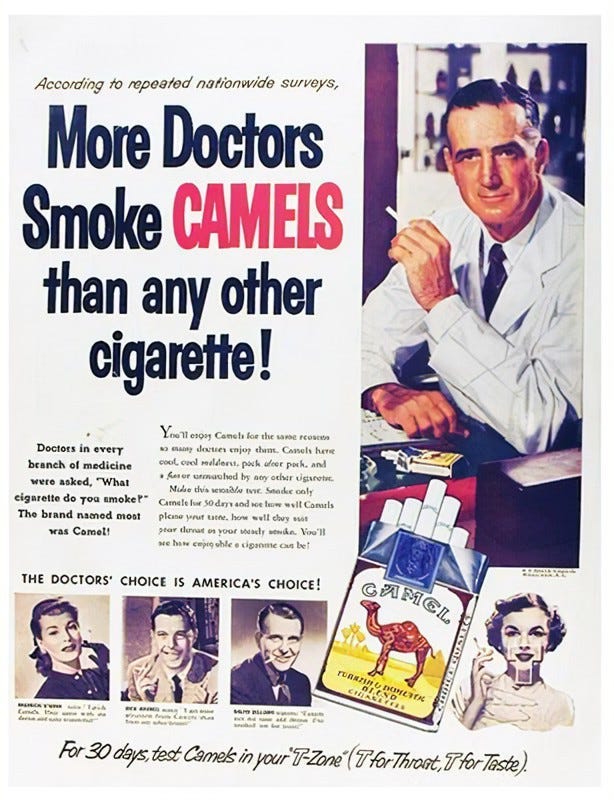
Much of this issue appears rooted in the controversial history of the American Medical Association (AMA). In 1899, the struggling organization revitalized itself by offering the AMA seal of approval to manufacturers who simply disclosed their ingredients and advertised in AMA publications. This strategy boosted AMA's advertising revenue fivefold and its physician membership ninefold in a decade. For example, the AMA widely encouraged cigarette smoking, even when it was known to be dangerous:
The AMA then monopolized medicine by establishing a general medical education council, that allowed them to become the national accrediting body for medical schools, effectively eliminating the teaching of competing medical practices like homeopathy, chiropractic, naturopathy, and, to a lesser extent, osteopathy, as states often denied licenses to graduates from “low-rated” schools.
The AMA then further solidified this monopoly by having the media widely promote AMA campaigns against “medical quackery” (e.g., treatments they couldn’t buy the rights to) and mobilizing the FDA or FTC against competitors. Many remarkable medical innovations hence were successfully erased from history and part of my life’s work (which I am slowly trying to introduce here) and much of what I use in practice are the therapies the AMA erased from history.
These monopolistic tactics never stopped. For example, after Dr. Pierre Kory testified to the Senate about using ivermectin to treat COVID-19, he faced intense media and professional backlash. Professor William B. Grant, then emailed Kory, stating that the same thing had been done to vitamin D research for decades.
The Benefits of Sunlight
One of the oldest proven therapies in medicine is sunlight exposure, which effectively treated the 1918 influenza, tuberculosis, and various other diseases. The success of sunbathing even inspired the development of ultraviolet blood irradiation.
Given its safety, effectiveness, free availability and lack of a lobbyist to protect it, it's hence plausible that those aiming to monopolize medicine would seek to restrict public access to it. Medicine’s campaign against sunlight has been so effective that many are unaware of its benefits, including:
Mental Health: Sunlight is crucial for mental well-being, notably in conditions like seasonal affective disorder, but its benefits extend further, as unnatural light exposure disrupts circadian rhythms.
Cancer Prevention: A large epidemiological study discovered that women with higher solar UVB exposure had half the incidence of breast cancer, and men half the incidence of fatal prostate cancer. This 50% reduction greatly exceeds the effectiveness of current prevention and treatment approaches. Likewise, unnatural light has been repeatedly observed to worsen cancer outcomes.
Longevity and Heart Health: A 20 year prospective study of 29,518 Swedish women found that sunlight avoiders were 60% more likely to die overall (and 130% more likely to die than the highest sun exposure group). Notably, smokers who got sunlight had the same mortality risk as non-smokers who avoided the sun as the greatest benefit of sunlight exposure is a reduction in death from cardiovascular disease.
Note: the link between losing natural light and conditions such as infertility, diabetes, cancer, poor circulation, depression, ADHD, and poor academic performance is discussed further here.
Skin Cancer
According to the American Academy of Dermatology, skin cancer is the most common cancer in the United States, with current estimates suggesting that one in five Americans will develop skin cancer in their lifetime. Approximately 9,500 people in the U.S. are diagnosed with skin cancer every day.
The Academy emphasizes that UV exposure is the most preventable risk factor for skin cancer, advising people to avoid indoor tanning beds and protect their skin outdoors by seeking shade, wearing protective clothing, and applying broad-spectrum sunscreen with an SPF of 30 or higher.
The Skin Cancer Foundation states that more than two people die of skin cancer in the U.S. every hour, which sounds alarming. Let's break down what all this means.
Note: a key reason why skin cancer is “the most common cancer” is that it’s highly visible and easily diagnosed through simple full body skin examination. In contrast, detailed autopsies routinely uncover many undiagnosed — and often harmless — internal tumors that people carried at the time of death without ever knowing.
Basal Cell Carcinoma
Basal cell carcinoma (BCC) is the most common skin cancer, making up 80% of cases, with about 2.64 million Americans diagnosed annually. Risk factors include excessive sun exposure, fair skin, and family history. BCC primarily occurs in sun-exposed areas like the face.
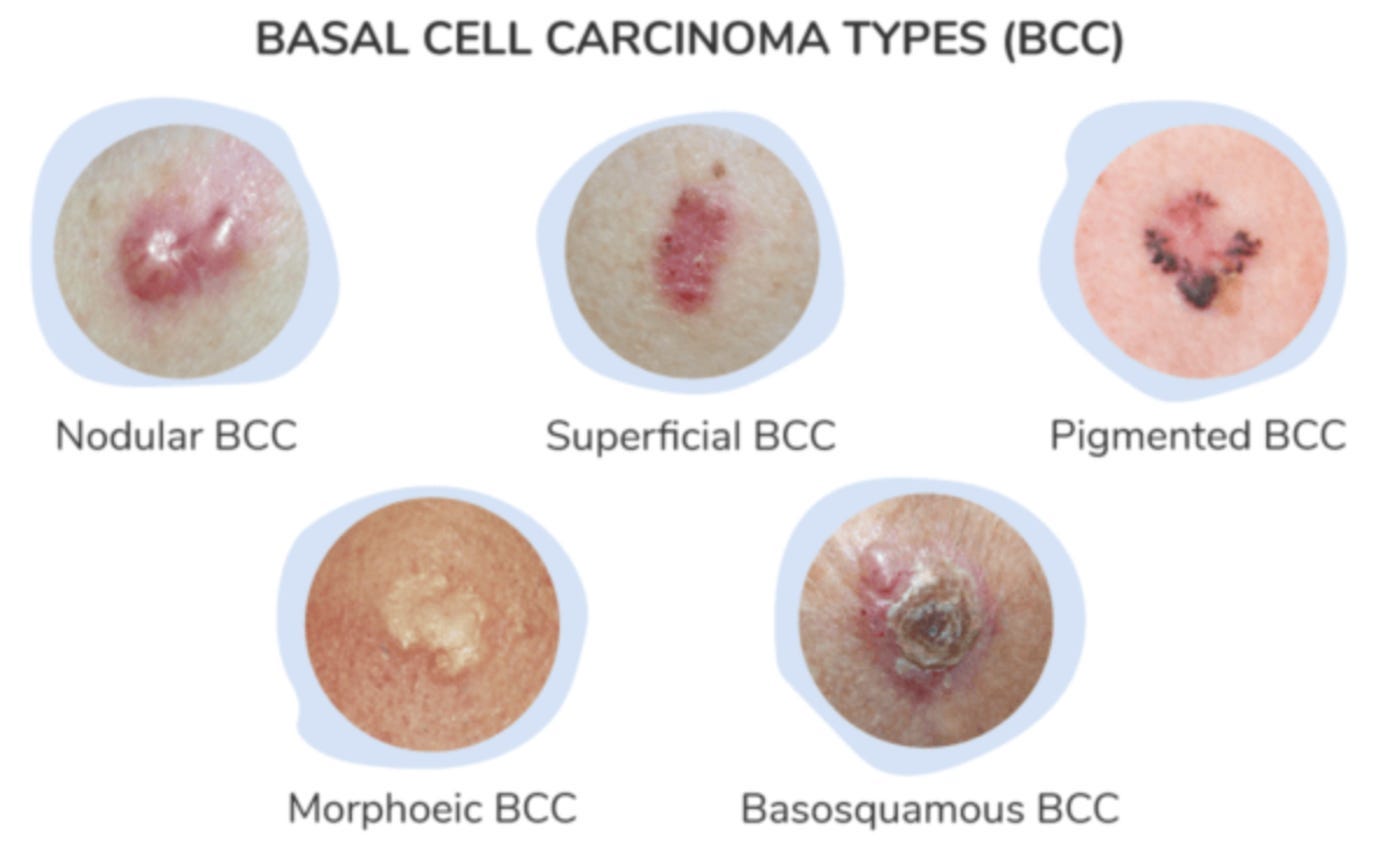
BCC rarely metastasizes and has a near 0% fatality rate, but it frequently recurs (65%-95%) after removal. The standard excision approach often doesn't address underlying causes, leading to repeated surgeries and potential disfigurement.
While BCCs can grow large if left untreated, they aren't immediately dangerous. Treatment is necessary but not urgent. Alternative therapies can effectively treat large BCCs without disfiguring surgery.
Note: since the COVID-19 vaccines came out, I have heard of a few cases of BCC metastasizing in the vaccinated, but it is still extraordinarily rare.
Squamous Cell Carcinoma
Cutaneous squamous cell carcinoma (SCC) is the second most common skin cancer, with an estimated 1.8 million cases in the U.S. Its incidence varies widely due to sunlight exposure, ranging from 260 to 4,970 cases per million person-years. Previously thought to be four times less common than BCC, SCC is now only half as common.
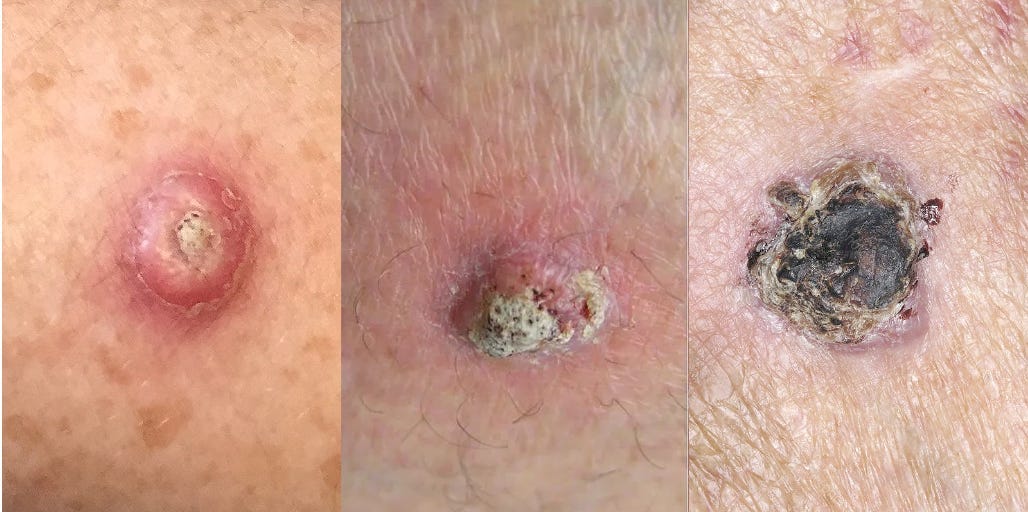
Unlike BCC, SCC can metastasize, making it potentially dangerous. If removed before metastasis, the survival rate is 99%; after metastasis, it drops to 56%. Typically caught early, SCC has an average survival rate of 95%. Around 2,000 people die from SCC each year in the U.S.
Note: unlike more lethal skin cancers, it is not required to report BCC or SCC. Consequently, there is no centralized database tracking their occurrence, so the official figures are largely estimates.
Melanoma
Melanoma occurs at a rate of 218 cases per million persons annually in the United States, with survival rates ranging from 99% to 35% depending on its stage when diagnosed, averaging out to 94%. However, despite only comprising 1% of all skin cancer diagnoses, Melanoma is responsible for most skin cancer deaths. In total, this works out to a bit over 8000 deaths each year in the United States. Since survival is greatly improved by early detection, many guides online exist to help recognize the common signs of a potential melanoma.
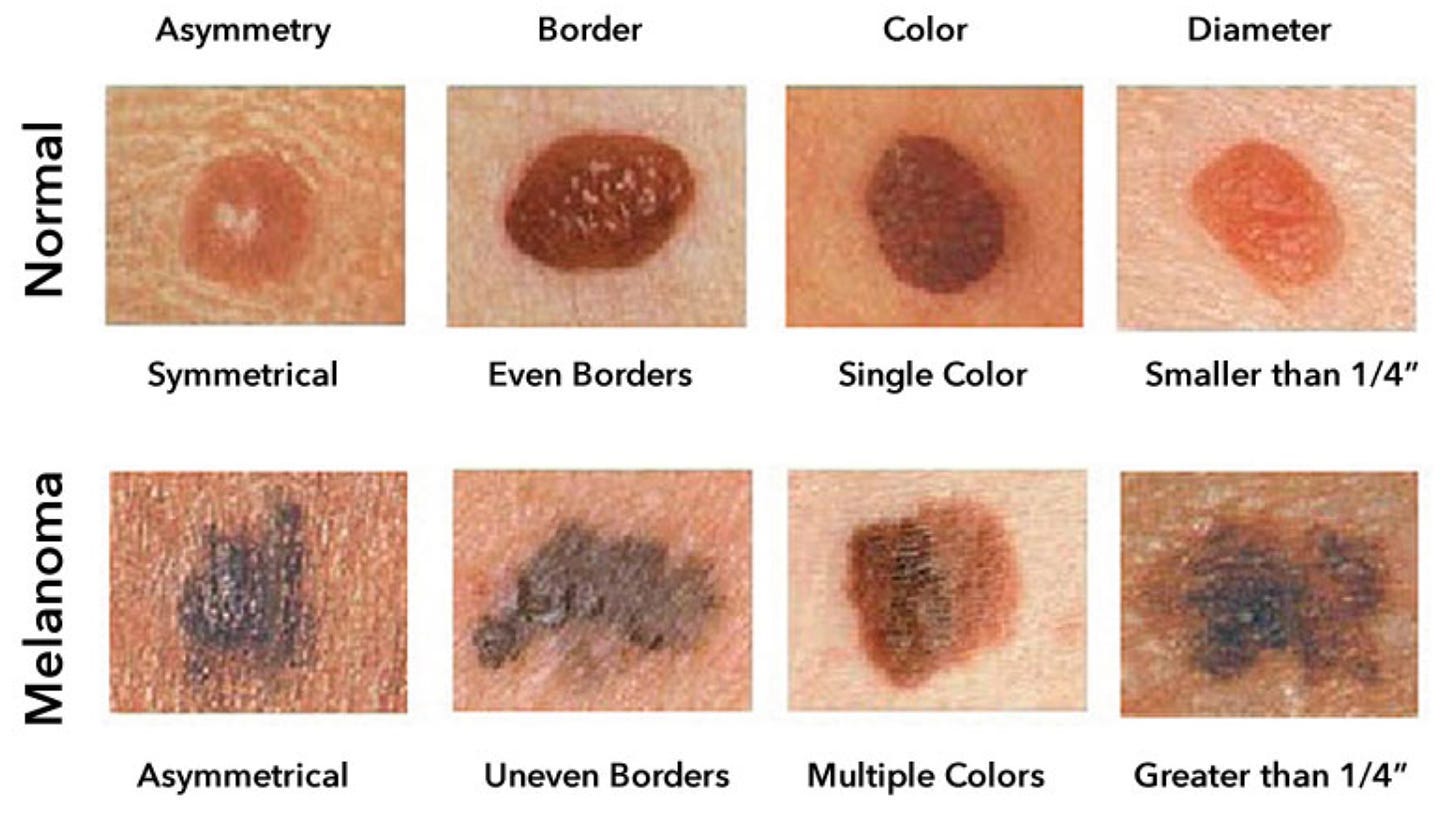
What’s critically important to understand about melanoma is that while it’s widely considered to be linked to sunlight exposure—it’s not. For example:
Patients with solar elastosis, a sign of sun exposure, were 60% less likely to die from melanoma.
Melanoma predominantly occurs in areas of the body with minimal sunlight exposure, unlike SCC and BCC, which are linked to sun-exposed regions.
Outdoor workers, despite significantly higher UV exposure, have lower rates of melanoma compared to indoor workers.
Many sunscreens contain toxic carcinogens (to the point Hawaii banned them to protect coral reefs). Conversely, existing research indicates widespread sunscreen use has not reduced skin cancer rates, and in some cases increases it (e.g., a 2023 UK study of over 470,000 people found that frequent sunscreen use was associated with a 1.9-to-3.9-fold increased risk across all four skin cancers studied—BCC, SCC, melanoma in-situ, and invasive melanoma).
Note: It’s worth pausing on how the 2023 study’s authors handled their own result. Having found that frequent sunscreen use tracked with more skin cancer, they did not consider that their model might be wrong. Instead they labeled it a “paradox,” proposed that sunscreen users must be getting more sun, or not reapplying enough, or buying sunscreen after their diagnosis, and then concluded the data “demonstrate the importance of adequate and frequent sunscreen use.” This is the same reflex behind the “French paradox,” the puzzle of why the French have less heart disease despite eating more saturated fat, which was only ever a paradox if you assumed saturated fat caused heart disease to begin with (an assumption resting on a far shakier foundation than the public was led to believe, as I covered in my article on the manufactured war on cholesterol that was used to push toxic and ineffective—but lucrative—statins upon everyone).•A mouse study designed to study malignant melanoma found mice kept under simulated daylight develop tumors at a slower and diminished rate compared to those under cool white fluorescent light.
There has been a significant increase in many areas from melanoma, something which argues against sunlight being the primary issue as it has not significantly changed in the last few decades. For instance, consider this data from Norway’s cancer registry on malignant melanoma:
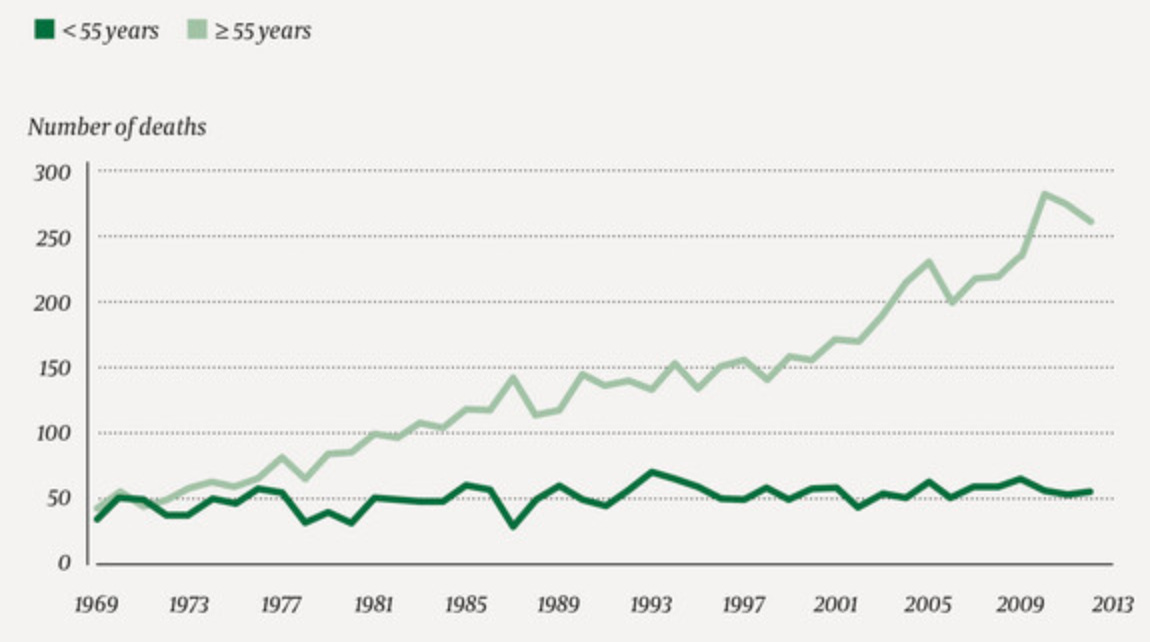
Note: in addition to these three cancers, other (much rarer) skin cancers also exist, most of which have not been linked to sunlight exposure.
The Great Dermatology Scam
If you consider the previous section, the following should be fairly clear:
•By far the most common “skin cancer” is not dangerous.
•The “skin cancers” you actually need to worry about are a fairly small portion of the existing skin cancers.
• Sunlight exposure does not cause the most dangerous cancers.
In essence, there’s no way to justify “banning sunlight” to “prevent skin cancer,” as the “benefit” from this prescription is vastly outweighed by its harm. However, a very clever linguistic trick bypasses this contradiction—a single label, “skin cancer,” is used for everything, which then selectively adopts the lethality of melanoma, the frequency of BCC, and the sensitivity to sunlight that BCC and SCC have.
This has always really infuriated me, so I’ve given a lot of thought to why they do this.
Note: since the pharmaceutical industry ultimately revolves around drug sales rather than drug development (e.g., significantly more is spent on marketing than drug development1,2,3,4) you will routinely see clever but deceptive linguistic tricks used to promote a wide swathe of drugs.
The Transformation of Dermatology
In the 1980s, dermatology was one of the least desirable specialties in medicine (e.g., dermatologists were often referred to as pimple poppers). Now however, dermatology is one of the most coveted specialties in medicine as dermatologists make 2-4 times as much as a regular doctor, but have a much less stressful lifestyle.
A relatively unknown blog (Robert Yoho uncovered1) by Dermatologist David J. Elpern, M.D. at last explained what happened:
Over the past 40 years, I have witnessed these changes in my specialty and am dismayed by the reluctance of my colleagues to address them. This trend began in the early 1980s when the Academy of Dermatology (AAD) assessed its members over 2 million dollars to hire a prominent New York advertising agency to raise the public’s appreciation of our specialty. The mad men recommended “educating” the public to the fact that dermatologists are skin cancer experts, not just pimple poppers; and so the free National Skin Cancer Screening Day was established [through a 1985 Presidential proclamation].
These screenings serve to inflate the public’s health anxiety about skin cancer and led to the performance of vast amounts of expensive low-value procedures for skin cancer and actinic keratosis (AKs). At the same time, pathologists were expanding their definitions of what a melanoma is, leading to “diagnostic drift” that misleadingly increased the incidence of melanoma while the mortality has remained at 1980 levels. Concomitantly, non-melanoma skin cancers are being over-treated by armies of micrographic surgeons who often treat innocuous skin cancers with unnecessarily aggressive, lucrative surgeries.
A 2021 journal article provides additional context to Dr. Elpern’s remarks:
Skin cancer screenings began at the community level in the 1970s. The first nationwide public skin cancer screening program was started by the American Academy of Dermatology in 1985 after the rising incidence and mortality rate of malignant melanoma gained increasing attention in the early 1980s. In the early years of the program, President Ronald Reagan signed proclamations creating the “National Skin Cancer Prevention and Detection Week,” and the “Older Americans Melanoma/Skin Cancer Detection and Prevention Week,” and the total body skin examination became the gold standard for skin cancer screening.
Note: this article also shares that the American government has long been extremely doubtful of the value of these screenings and the dermatology field has faced continual challenges to surmount this obstacle they’ve had to lobby for solutions to.
This heightened awareness led to a dramatic increase in skin cancer screenings and diagnoses, fueled by fears instilled in the public about sun exposure. Alongside this massive sales funnel, there was a significant expansion in the incredibly lucrative Mohs micrographic surgery, promoted as a gold standard for treating skin cancers due to its precision and efficacy in sparing healthy tissue. However, critics (correctly) argue that Mohs surgery is often overused, driven by financial incentives rather than clinical necessity, contributing to immense healthcare costs (e.g., the rate of use of Mohs surgery among Medicare beneficiaries in the United States grew 700 percent between 1992 and 20091 in 2012 over $2 billion was paid out for Mohs surgeries1).
Note: we frequently see patients who developed complications from these surgeries.
The commercialization of dermatology was further amplified by the entry of private equity firms into the field. These firms acquired dermatology practices, sometimes staffing them with non-physician providers to maximize profitability. This trend raised concerns about quality of care, with reports of misdiagnoses and over-treatment, particularly in vulnerable populations like nursing home residents—to the point the New York Times authored a 2017 investigation on this exploitative industry.
Moreover, the shift towards profit-driven models in dermatology has sparked ethical debates within the medical community. Some dermatologists have voiced concerns over the commodification of skin cancer treatments and the erosion of traditional doctor-patient relationships in favor of more transactional interactions. Despite these challenges, dermatology remains a lucrative field, attracting both medical professionals and investors seeking financial gain from skin care services.
Many in turn are victimized by these exploitative practices. The popular comedian Jimmy Dore for example recently covered the Great Dermatology Scam after realizing he’d been subjected to it:
After Jimmy Dore’s segment, this story went viral, and as best as I can tell, was seen by between 5 to 10 million people. A few weeks after Dore’s segment, two surveys were released highlighting an “epidemic” of insufficient sun protection which the New York Times (like clockwork) then covered. Since it was such a classic medical propaganda piece, I will quote a few lines from it:
Two new surveys suggest a troubling trend: Young adults seem to be slacking on sun safety.
14 percent of adults under 35 believed the myth that wearing sunscreen every day is more harmful than direct sun exposure
Young adults are often unaware of what sun damage looks like and how best to prevent it,
Ultraviolet rays — whether from tanning beds or direct sunlight — can damage skin and cause skin cancer, which can be deadly
Experts said that Gen Z is uniquely susceptible to misinformation about sunscreen and skin cancer that has proliferated on social media platforms like TikTok.
Generously apply — and reapply — sunscreen. UV rays can damage skin even when it’s cloudy or chilly, so experts recommend wearing sunscreen every day.
Likewise, due to the recent public attention on the 2023 study showing sunscreen made you more likely to die from skin cancer, a similar media campaign emerged which investigative journalist Sharyl Attkisson aptly summarized today:
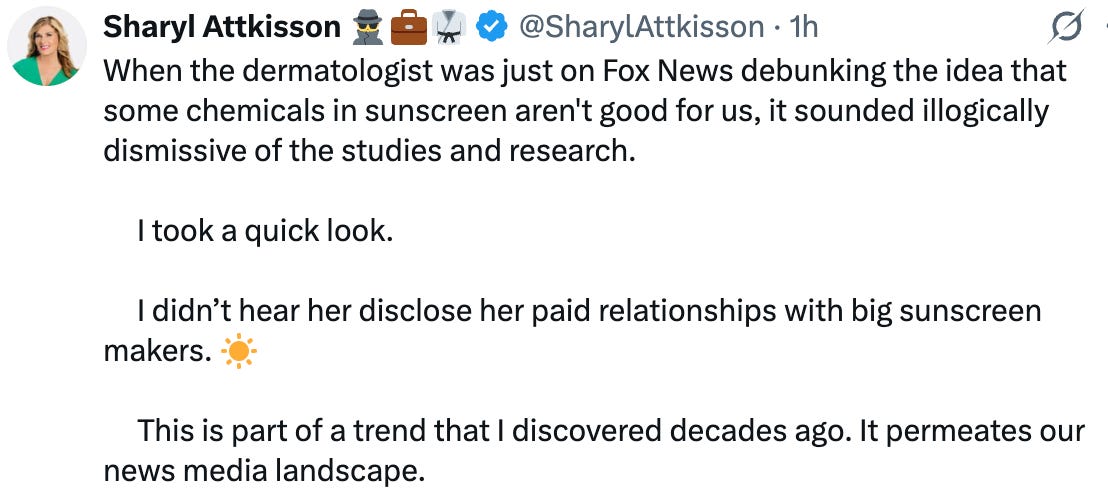
Note: I must emphasize that some skin cancers (e.g., many melanomas) require immediate removal. My point here is not to avoid dermatologists entirely but to consider seeking a second opinion from another dermatologist as there are many excellent and ethical dermatologists out there.
Changes in Skin Cancer
Given how much is being spent to end skin cancer, one would expect some results. Unfortunately, like many other aspects of the cancer industry that’s not what’s happened. Instead, more and more (previously benign) cancers are diagnosed, but for the most part, no significant change has occurred in the death rate.
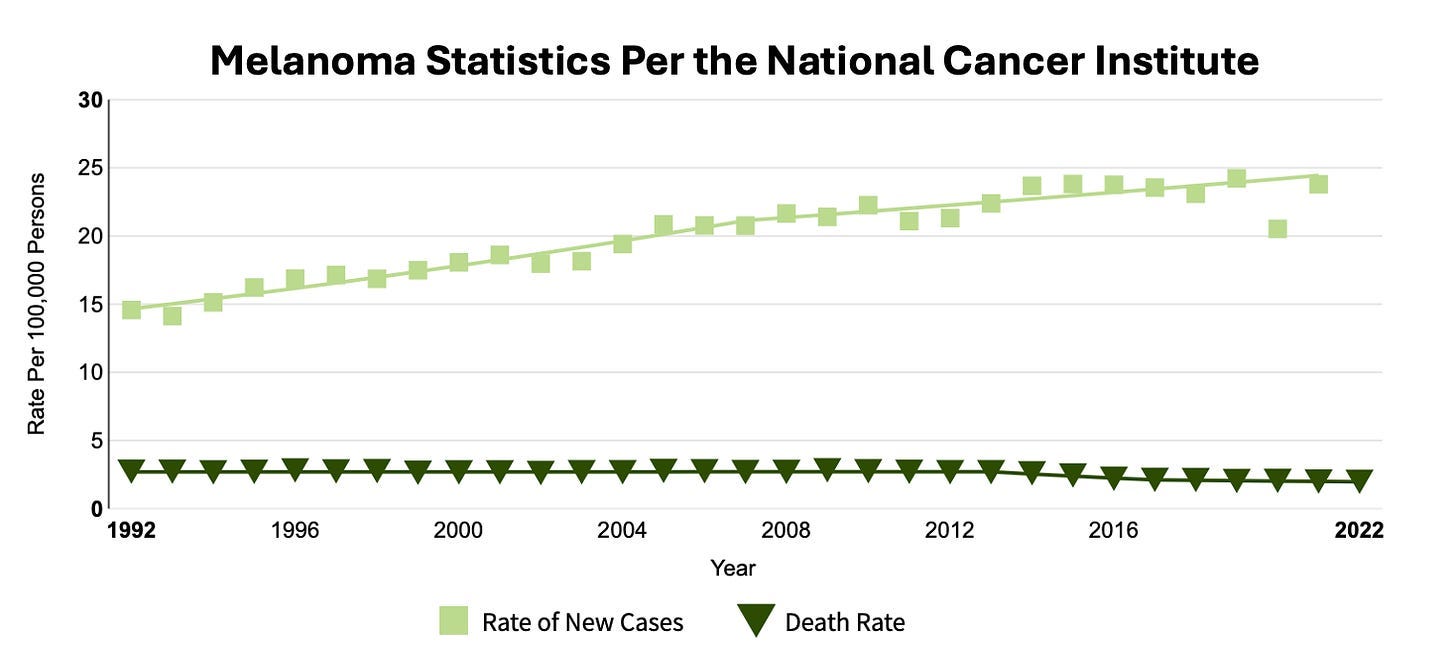
The best proof for this came from a study which found that almost all of the increase in “skin cancer” was from stage 1 melanomas (which rarely create problems and which the authors attributed to diagnostic drift rather than an actual increase):
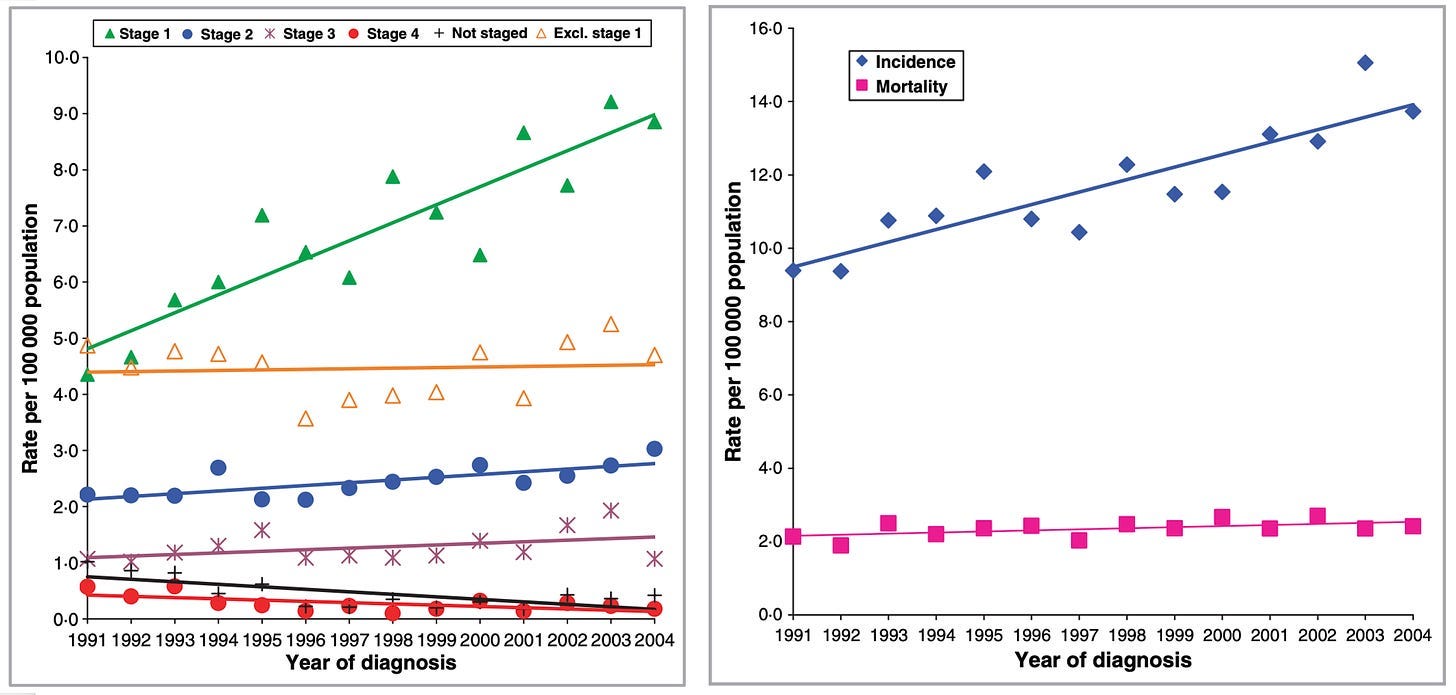
Another study illustrates exactly what the result of our war on skin cancer has accomplished:

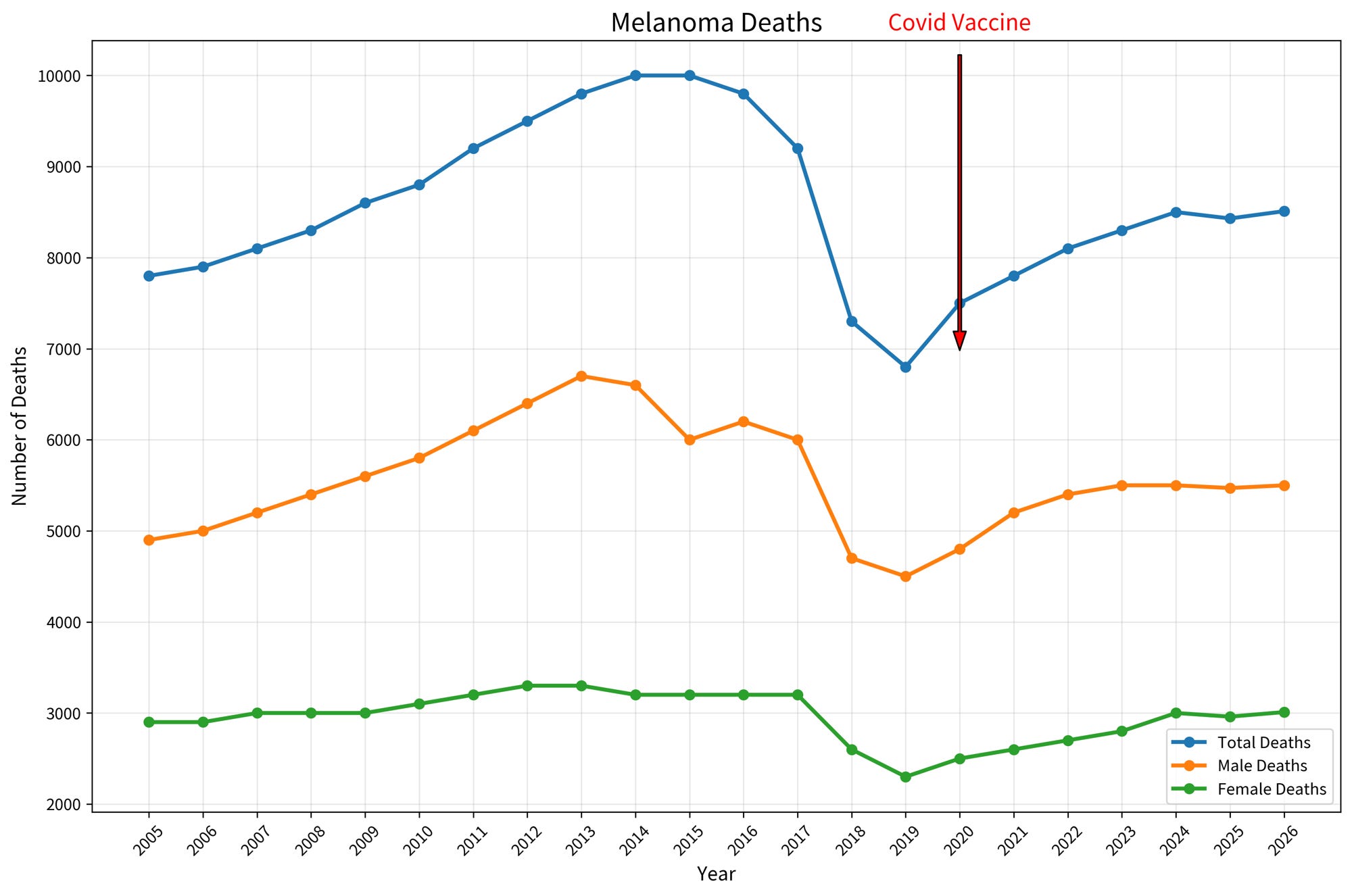
Finally, since many suspected the COVID vaccines might lead to an increase in melanoma (or other skin cancers), I compiled all the available annual reports from the American Cancer Society into a few graphs:
Conclusion
Dermatology needed a villain to justify its business model, and it chose the sun. As such, vast amounts of money were made while we were left to pay the price of being denied one of the most essential nutrients for health. However, while these predatory practices have continued with impunity for decades, things have now changed.
COVID-19 made the medical industry’s greed too visible to ignore, and people are now questioning practices that went unchallenged for decades. If an article like this had been published in 2018, few would have seen it, but instead, for more than two years, Dermatology’s unconscionable war against the sun has become a viral topic that is now routinely discussed in the health community and attacked by the mainstream press. This is a historic shift and like you, I intend to do all I can to make the most of it.
Author’s note: This is an abbreviated version of a full-length article about Dermatology’s Disastrous War Again the Sun that also discusses safer ways to treat or prevent skin cancer (most of which can be done at home) and the nutritional approaches which make it possible for the skin to tolerate and be nourished by longer sun exposures. For the entire read with much more specific details and sources, and those approaches please click here. Additionally, a companion article on the importance of natural light can be read here, and one on the remarkable therapeutic properties of ultraviolet blood irradiation here.
To learn how other readers have benefitted from this publication and the community it has created, their feedback can be viewed here. Additionally, an index of all the articles published in the Forgotten Side of Medicine can be viewed here.
If it was mandated that all who are diagnosed with Melanoma are required to have a Vitamin D blood test, they would discover that there is a correlation between low blood value of D and the development of Melanoma. It is also a known fact that melanomas appear on the skin mostly were there has been no sun exposure. It is also a know fact that ADA chronically pumps out negative reviews on the value of Vitamin D and warning that it can cause health issues. Contrarily, endocrinologists see the value of D for good health. Boosting the blood value of Vitamin D to over 50 ng's would be detrimental to the income of the Derms. PS: A friend had Melanoma, did research and boosted his D value and the Melanoma disappeared. Go to www.vitamindwiki.com and learn.
Interesting..my primary dr and endocrinologist both told me to stop taking vitamin D. My primary said vitamins are a scam and useless and she told me to go to a dermatologist for a body check. My endocrinologist said vitamin D, more than 1000 IUs daily is Poison for anyone over 70..my level is around 70 which I read was optimal. I never take nutrition advice from medical doctors..they are the ones who came up with the food pyramid of carbs at the top and no protein. Yeah, no…. They have zero training in med school so I will stick to my instincts